Summary
In an incisive critique of societal hypocrisy and the often-fragile foundations of spiritual conviction, "The Quality of Faith" unfurls the tumultuous odyssey of Albert Richards, a nascent clergyman ensnared by the glittering, yet hollow, world of his affluent parish. Initially, his affections are captured by Louise Alford, the daughter of a powerful industrialist, whose superficial charm and transient devotion epitomize the very superficiality he unconsciously seeks. Her eventual abandonment, driven by a fear of domestic monotony, serves as a searing catalyst, propelling Albert from his insulated ecclesiastical sphere into the stark, unvarnished realities of the city's working class. Here, amid the brutalized factory floors of John Alford's mill, he witnesses the harrowing human cost of industrial avarice—a tragedy starkly embodied by a grievously injured factory girl and the subsequent, heart-wrenching testimony of her father. This awakening deepens as he encounters Marna, a woman cast to the fringes of society by illness and economic desperation, whose profound unhappiness challenges his preconceived notions of morality and grace. Through his compassionate intervention, Marna finds a lifeline, her burgeoning faith becoming a quiet counterpoint to the escalating industrial unrest that soon consumes the city. Albert's fervent advocacy for the beleaguered mill workers precipitates a dramatic schism with the powerful Alford family and, ultimately, his dismissal from the church. Plunged into a spiritual and moral abyss, he succumbs to a period of existential despair and debauchery, his literary aspirations faltering, while Louise, now married to the equally shallow Guy Carlton, epitomizes the very vacuity he has transcended. Yet, it is Marna's unwavering love and steadfast belief that act as an enduring beacon, guiding Albert through the nadir of his personal crisis. His eventual resurgence as a successful writer marks not merely a professional triumph, but a profound spiritual reclamation. When Louise, jaded by her own choices, attempts to re-ensnare him, Albert's newfound resilience and authentic love for Marna prove impregnable. The narrative culminates with a poetic justice as Alford, the architect of so much suffering, perishes from heart failure just as the wronged Baker, released from an unjust imprisonment, arrives to exact a violent retribution, leaving Albert to embrace a love forged in the crucible of shared adversity and unwavering devotion.
Synopsis
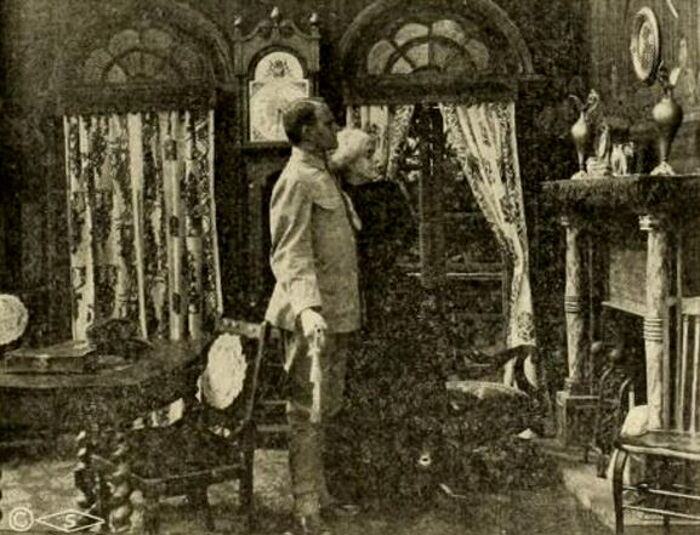
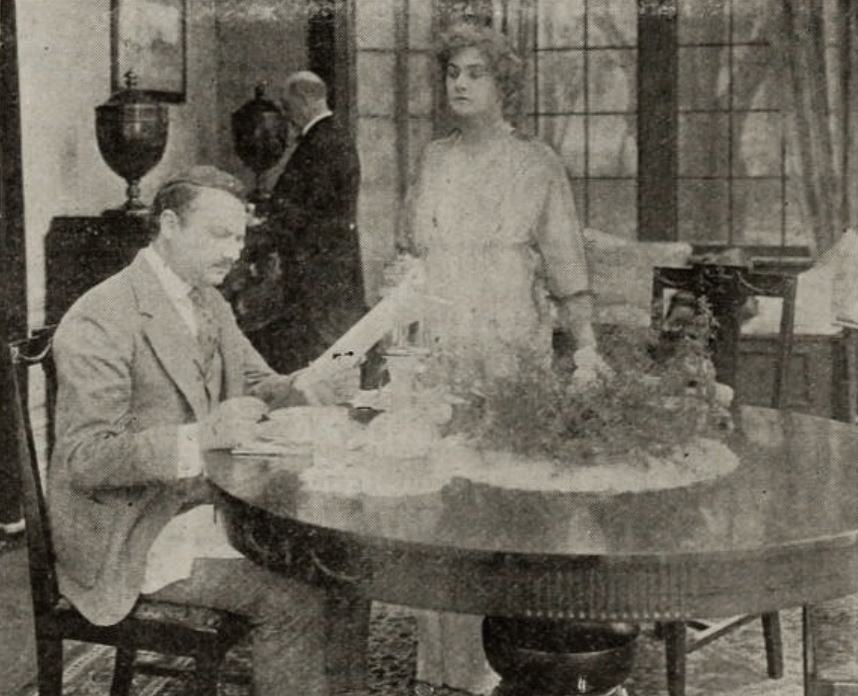
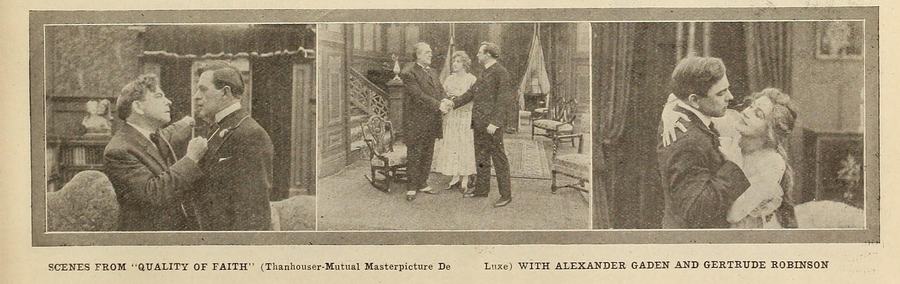
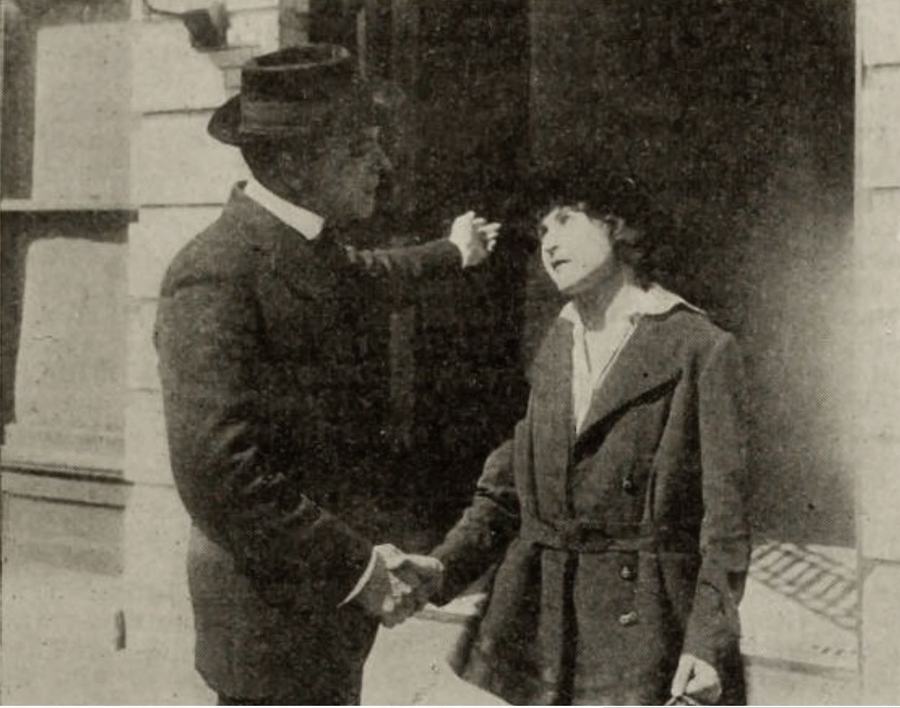
Albert Richards, the young pastor of a fashionable and wealthy church, woos Louise Alford and wins her promise to become his wife. She is the daughter of a wealthy mill-owner, John Alford. Louise is a vain, pleasure-loving girl. Her love for Albert is only a passing fancy. After realizing the monotony of such a life as would be hers as his wife, the finally jilts him for Guy Carlton, a society admirer. In the meantime labor troubles arise in the mill owned by Louise's father. The leader of the mill workers is a home-loving, peaceable fellow, Baker, hard-working and reliable when unmolested, but a man of high temper when aroused. Baker is elected head of the first delegation sent to petition Alford not to increase the hours of their labor, as he proposes doing. The petition is denied. While visiting among the poorer classes of the city, Richard is called to minister to a factory girl who has been horribly hurt in Alford's plant. The dramatic story of conditions that exist in the factory told the minister by the grief-stricken father arouses in him the desire to investigate for himself. Later, the tragic squalor and privation of the working people is further revealed to the minister. These scenes confirm his resolve to make an effort in behalf of these unfortunates. On his way home after one of these visits Richards encounters a girl and man in combat, the bully beating the woman unmercifully. He goes to her rescue and assists the girl to her nearby home. The pastor learns that she is Marna, a woman of ill-repute. Struck by her apparent unhappiness and unrest, the minister succeeds in getting her to tell the story of her present life. Ill-health has incapacitated her for work in the factory, where there is no sympathy and had led her to a life of shame for a bare livelihood. Cheered by Richards' words of encouragement, Marna grasps eagerly at his offer to help her and later finds a haven through his efforts in the Salvation Army home. With the gathering of clouds on the factory horizon, Richards takes active interest in the cause of the workmen. His final break with the Alford family comes over his position in the matter. In a riot of the striking workmen, Baker is arrested for inciting it and is given two years in prison. Richards is dismissed from his church and comes under the influence of an atheist. He falls into debauchery, where the love and faith of Marna are the two abiding lights. His literary work also fails of success at the same time. Louise has married Carlton. But the bottom of the pit is finally touched by Richards, and success as a writer at last comes to the erstwhile minister. With renewed popularity, Louise, who has wearied of her husband, sets a trap to again catch Richards with her wiles, but he proves himself strong, and is rewarded by the love and devotion of Marna. Alford, the factory owner, succumbs to heart failure just before Baker comes from prison to kill him because he was the cause of the strife and tragedy at the mill.
Review Excerpt
"
"The Quality of Faith": A Soul's Crucible in the Industrial Age
In an era captivated by moral quandaries and the seismic shifts of industrial society, "The Quality of Faith" emerges not merely as a narrative, but as a profound societal mirror, reflecting the intricate dance between spiritual conviction and the harsh realities of human existence. This cinematic endeavor, a poignant exploration of a clergyman's arduous journey, peels back the veneer of polite society to expose t..."