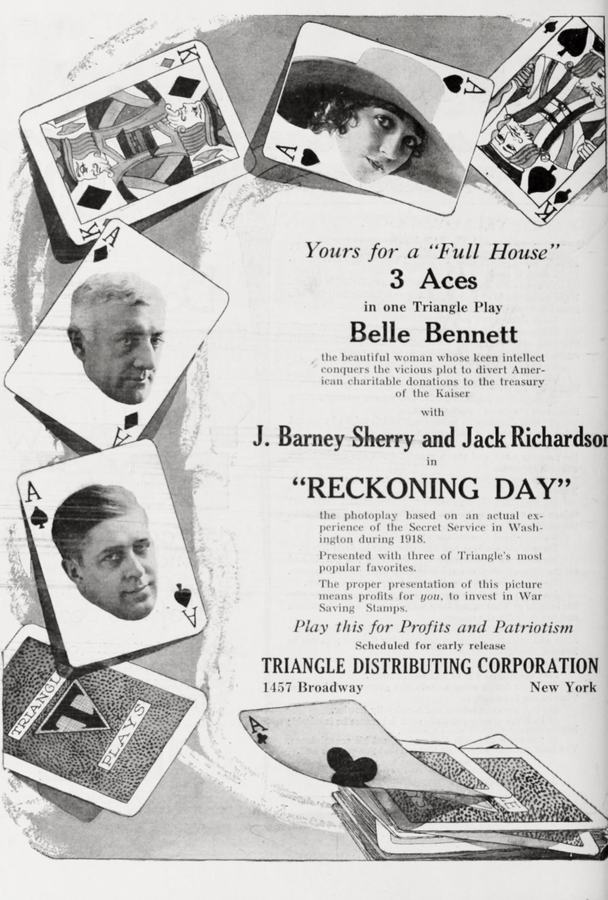
During World War I, Jane Whiting, a bright young lawyer who is engaged to Senator Wheeler, is assigned by the district attorney to expose a gang of spies who are collecting money for the German government through the operation of a fraudulent charity organization. Wheeler's son Frank has fallen in love with Lola Schram, whose pro-German mother is forcing the girl to work for Frederick Kube, the head of the spy ring, but when Kube learns of the romance, he orders Mrs.
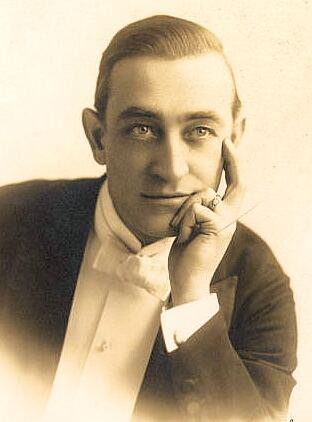
Robert F. Hill
United States
The first time Jane Whiting’s silhouette cuts across the frame—high-collared suit, cloche brim grazing her cheekbones like a reprimand—the film has already whispered its thesis: in wartime, justice must be stolen, never bestowed. The Reckoning Day arrived in August 1918, three months before the Armistice, when Americ...
Comparing the cinematic DNA and archive impact of two defining moments in cult history.
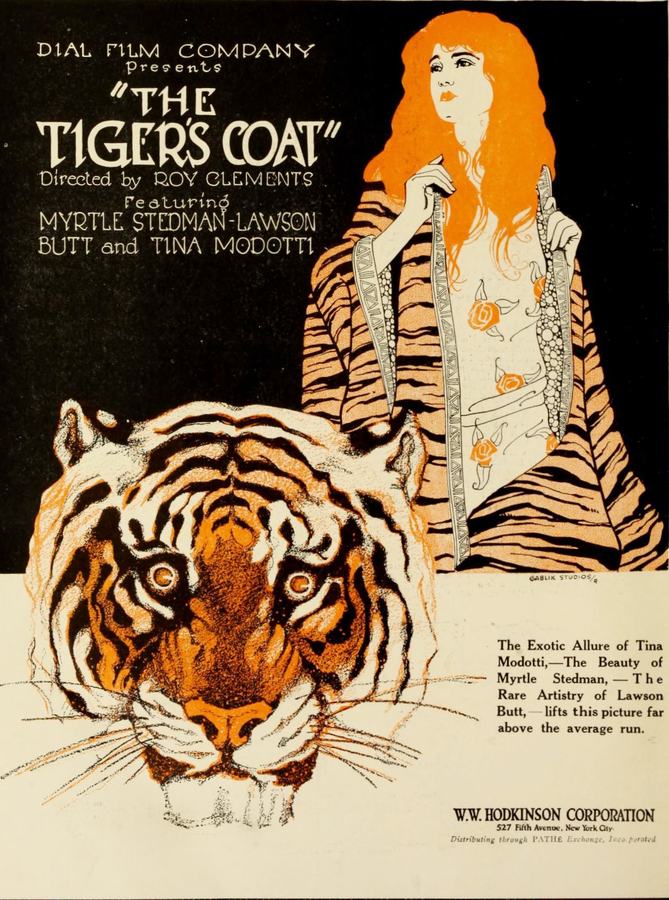
Roy Clements
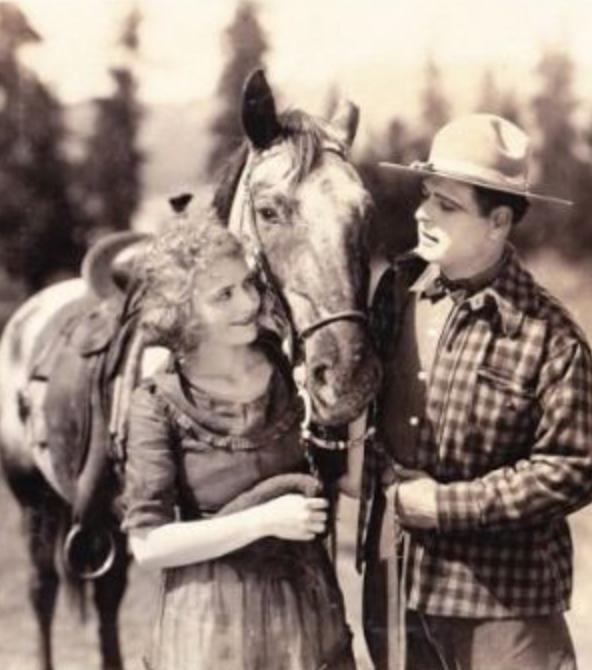
Roy Clements
Community
Log in to comment.
" The first time Jane Whiting’s silhouette cuts across the frame—high-collared suit, cloche brim grazing her cheekbones like a reprimand—the film has already whispered its thesis: in wartime, justice must be stolen, never bestowed. The Reckoning Day arrived in August 1918, three months before the Armistice, when American streets still fluttered with Liberty Loan posters and the scent of burnt sugar from suburban canning clubs. Robert F. Hill’s screenplay, lean yet venomous, grafts the dime-novel..."