DbcultAccessing Vault...
Cult Review
Senior Film Conservator
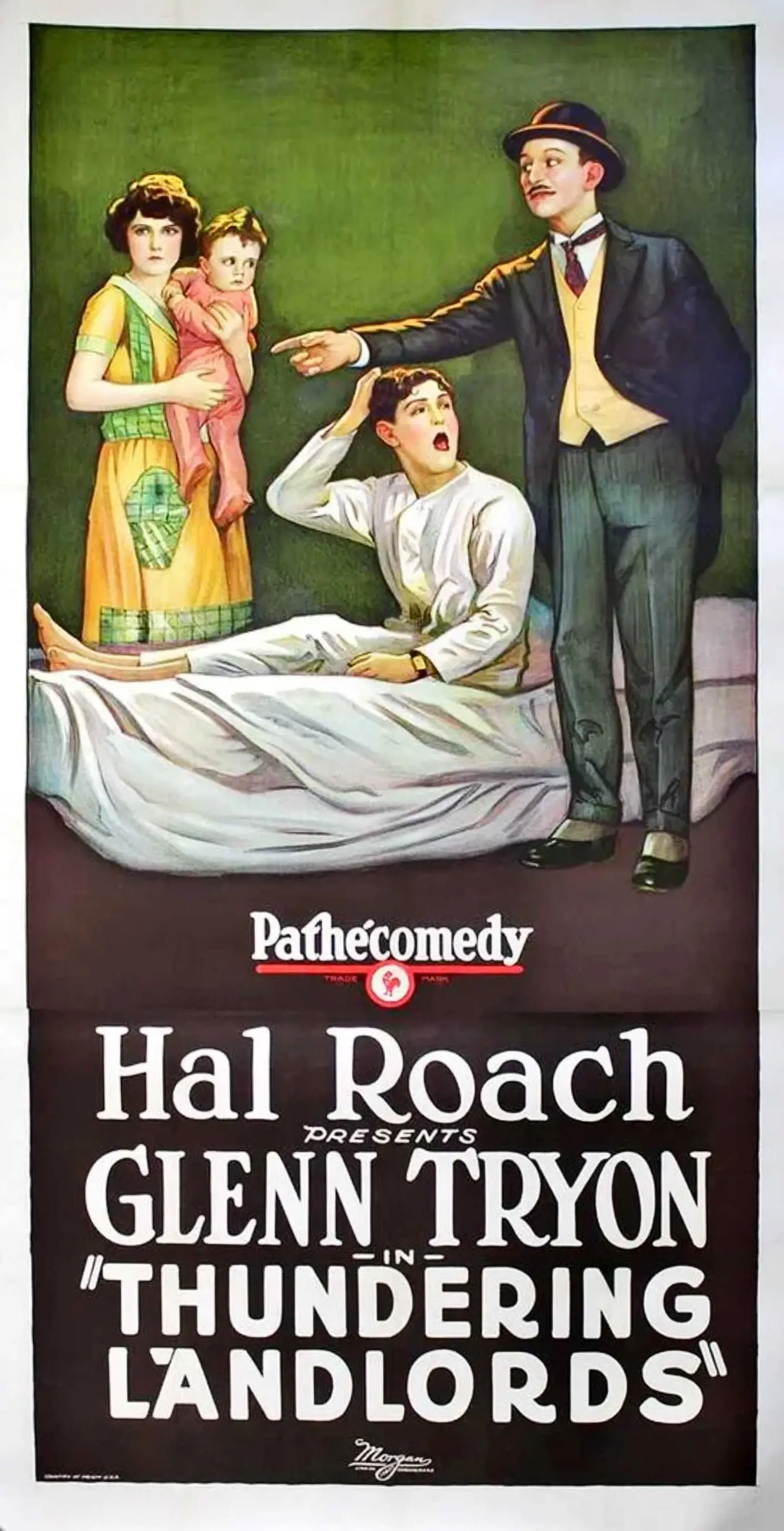
Is Thundering Landlords a forgotten classic or a structural failure? Short answer: It is a vibrant, if predictable, piece of slapstick history that remains surprisingly relatable to anyone who has ever survived a DIY renovation.
This film is specifically for completionists of the silent era who appreciate the high-energy, low-logic choreography of the late 1920s. It is definitely not for those who require a sophisticated narrative or modern character development beyond the 'man vs. hammer' trope.
1) This film works because the physical chemistry between Glenn Tryon and the legendary James Finlayson creates a friction that fuels the entire second act.
2) This film fails because it relies too heavily on repetitive floor-falling gags that lose their impact by the third iteration.
3) You should watch it if you want to see a pre-King Kong Fay Wray navigating a set that is literally falling apart around her.
Thundering Landlords arrives at the tail end of the silent era, a period where the technical proficiency of slapstick had reached its zenith. The film doesn't just use a house as a setting; it treats the building as a malevolent antagonist. Every joist is a trap, and every open wall is a portal to a new bruise.
Glenn Tryon, often overshadowed by the likes of Keaton or Lloyd, displays a frantic, almost desperate energy here. He doesn't have Keaton's stoicism, but he possesses a rubbery resilience that makes the constant physical abuse feel earned rather than just observed. In one standout sequence, Tryon attempts to carry a heavy piece of furniture across a room that lacks a floor, a moment of pure spatial absurdity.
This scene mirrors the environmental chaos found in Ship Wrecked, where the characters are at the mercy of a shifting, unstable world. However, here the stakes are domestic, making the disaster feel more intimate and, frankly, more annoying for the characters involved.
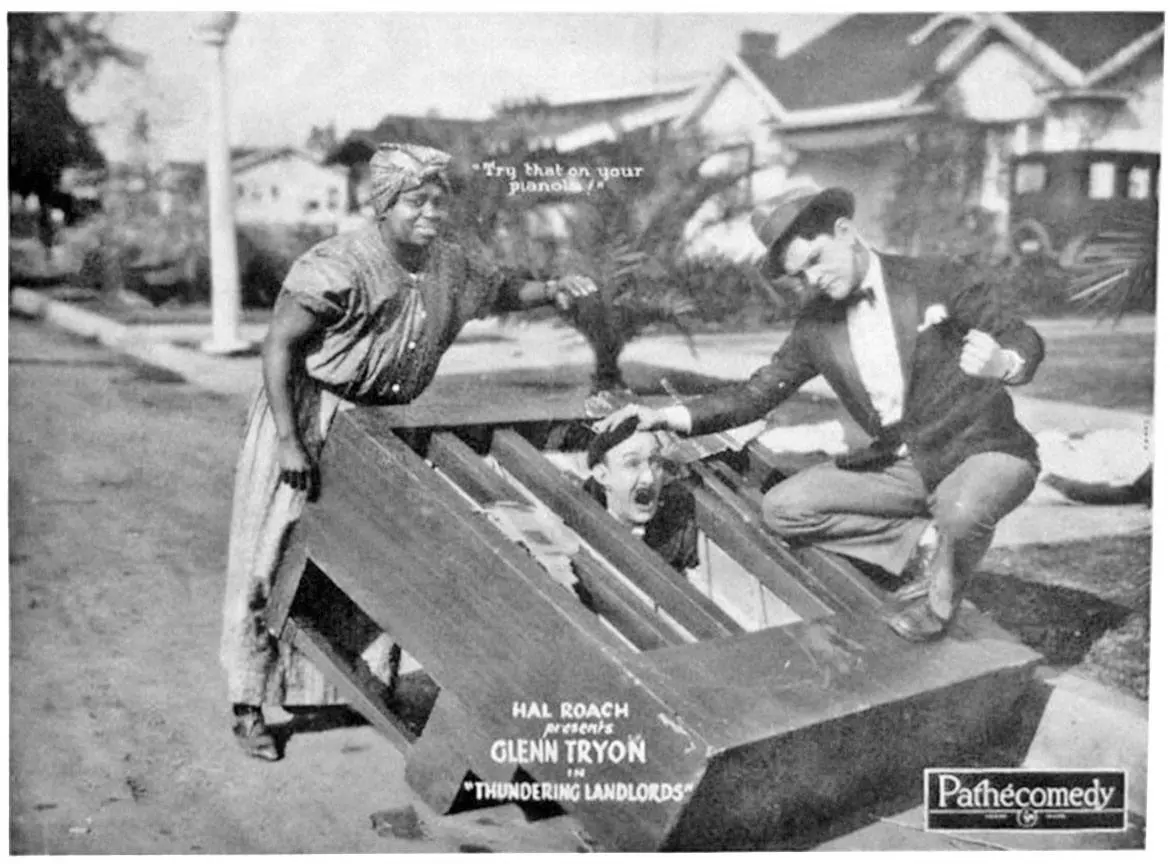
No review of a film featuring James Finlayson would be complete without mentioning his squint and double-take. He plays the head carpenter with a level of indignant incompetence that is nothing short of brilliant. His presence elevates the film from a standard 'house falls down' comedy to a psychological battle of wills.
Finlayson’s interactions with Tryon are the film's heartbeat. While Tryon represents the optimistic but foolish new homeowner, Finlayson is the embodiment of the unhelpful contractor we’ve all dealt with. The way he reacts to a wall collapsing—mostly with irritation that he has to stop leaning on it—is a masterclass in character-driven comedy.
It works. But it’s flawed. The pacing occasionally stutters when the film moves away from the construction site, but once the hammers start flying, the momentum is undeniable. It lacks the poetic grace of Toilers of the Sea, but it makes up for it with sheer, unadulterated noise—even in a silent medium.
Seeing Fay Wray in this context is fascinating. Years before she would scream her way into cinema history, she provides a grounded, albeit underwritten, counterpoint to the madness. She isn't just a damsel here; she is a partner in the domestic disaster, though the script rarely gives her the physical agency it grants Tryon.
Her performance is subtle, relying on expressive eye work to convey the mounting horror of their real estate choice. It is a far cry from the high-stakes drama of The Leap of Despair, but her presence adds a layer of 'straight-man' legitimacy to the proceedings that keeps the film from floating off into pure cartoon territory.
Yes, if you have twenty minutes and an interest in how 1920s cinema handled the 'home renovation' subgenre. It is a fascinating time capsule of an era where builders were the ultimate villains. It captures a specific American anxiety about upward mobility and the fragility of the middle-class dream.
If you are looking for a deep emotional resonance, look elsewhere. This is a film about gravity. It is a film about the inherent hilarity of a man getting hit on the head with a 2x4. It is simple, brutal, and effective in its limited scope.
The cinematography by the Hal Roach stalwarts is functional but clever. The camera is often positioned to maximize the surprise of a fall. You think Tryon is safe on a landing, only for the entire frame to shift as the wood gives way. This kind of practical set-building is a lost art.
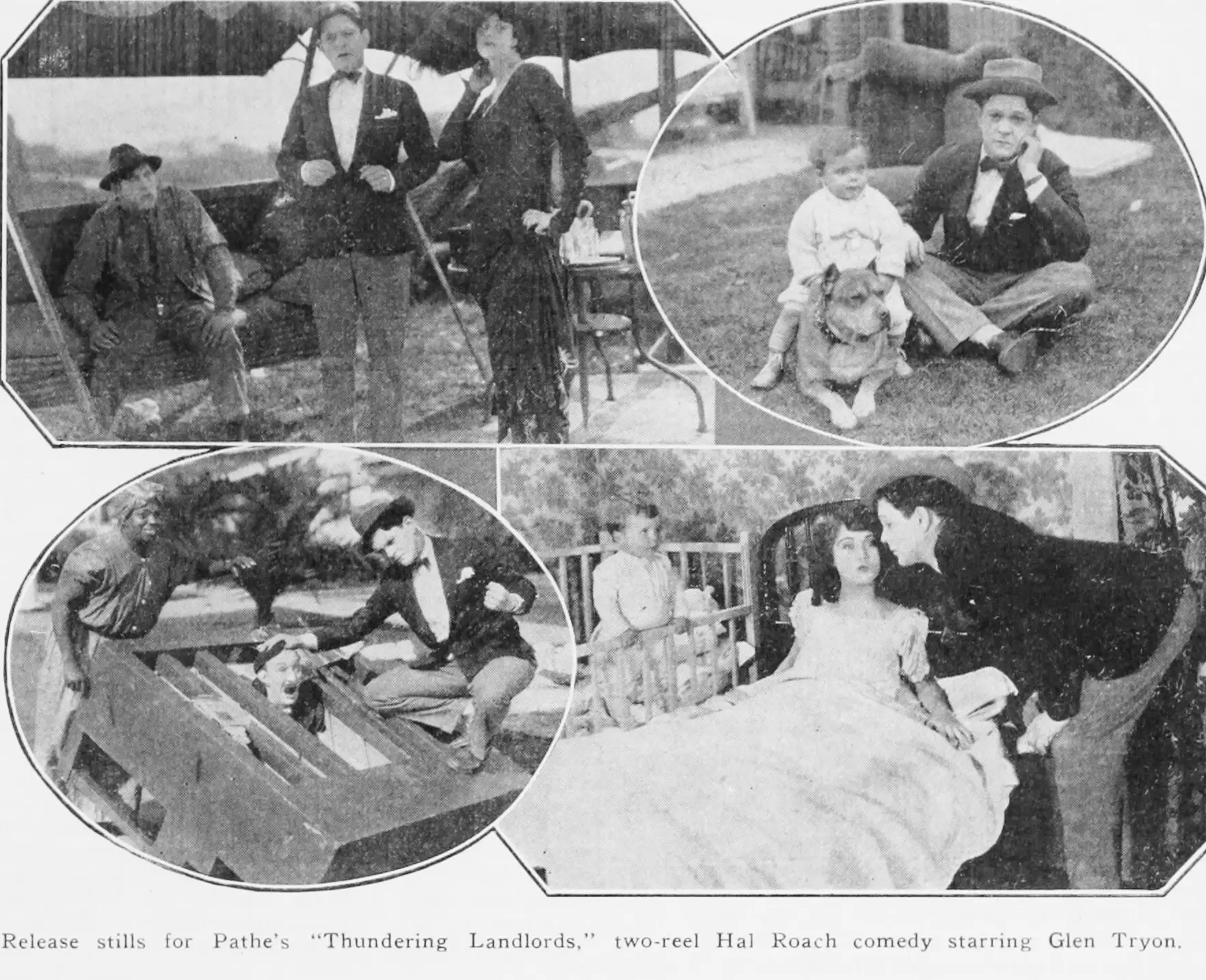
Compare this to the more static comedy found in Hot and Cold. Thundering Landlords is much more ambitious in its use of three-dimensional space. The characters move vertically as much as they do horizontally, creating a sense of dizzying instability that mirrors the family's crumbling finances.
Pros:
Cons:
One could argue that Thundering Landlords is actually a horror film disguised as a comedy. The house is a predatory entity that consumes the family's resources and physical well-being. There is a dark undercurrent to the way the carpenters actively sabotage the living space, suggesting a class warfare subtext that most critics overlook.
While films like Brass Buttons deal with social order through authority figures, Thundering Landlords shows the total breakdown of order when the 'experts' (the carpenters) are just as chaotic as the elements. It’s a cynical view of labor disguised as a romp.
Thundering Landlords isn't a masterpiece of the genre, but it is a masterclass in prop-based comedy. It lacks the heart of a Chaplin film, but it possesses a manic, destructive energy that is hard to look away from. It is a loud, messy, and occasionally brilliant reminder that the dream of a perfect home has always been a bit of a nightmare.
If you enjoy the frantic energy of Cupid the Cowpuncher, you will find much to love here. It is a film that understands the inherent comedy of collapse. It doesn't ask for your sympathy; it only asks for your attention as another wall comes down.
"A structural disaster that somehow holds together through the sheer force of its cast's will and the inevitability of gravity."
IMDb —
1920
Community
Log in to comment.