DbcultAccessing Vault...
6.8/10
Senior Film Conservator
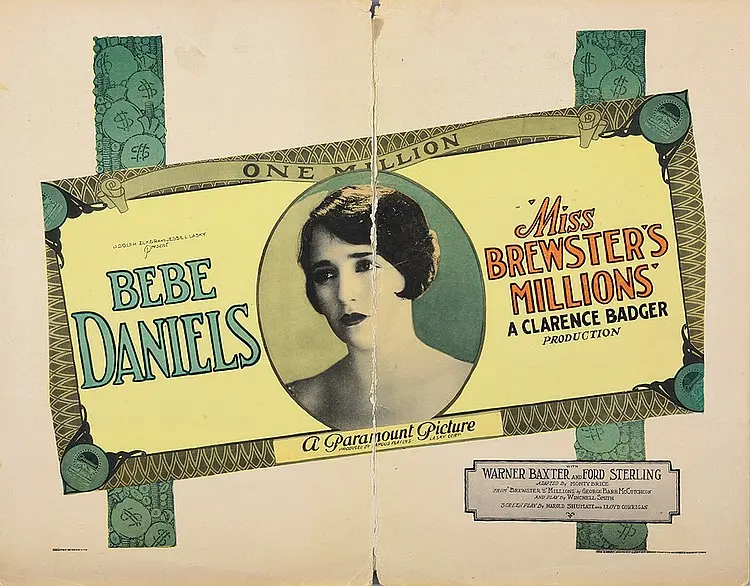
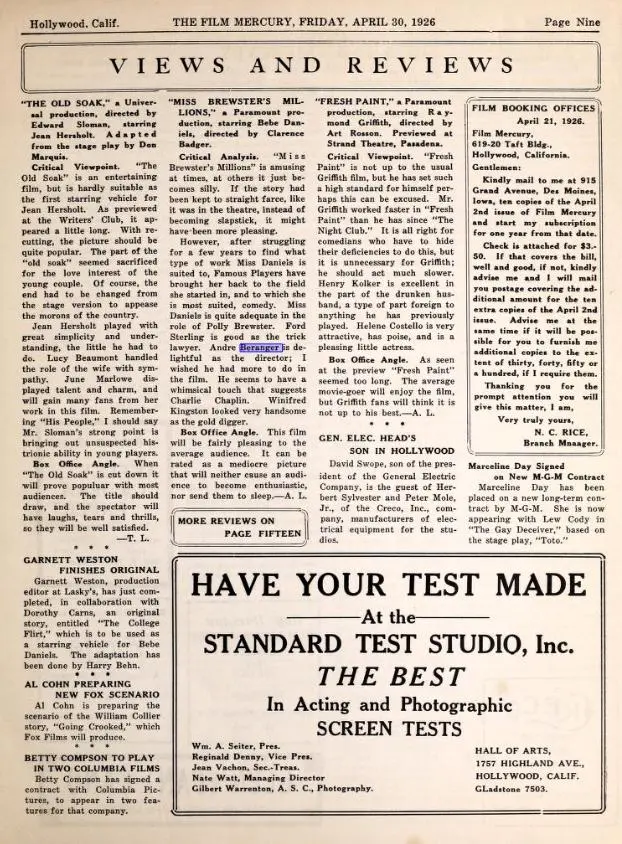
A definitive 6.8/10 rating for a film that redefined the boundaries of cult cinema. Miss Brewster's Millions remains a cornerstone of transgressive art.
Is Miss Brewster's Millions worth your time today? Short answer: Yes, but primarily as a fascinating artifact of Jazz Age cynicism and physical comedy. This film is for those who enjoy high-concept silent farces and the manic energy of 1920s starlets; it is not for viewers who find the 'forced spending' trope repetitive or those who require modern cinematic pacing.
This film works because Bebe Daniels delivers a performance of pure, unadulterated kinetic energy that anchors the absurdity of the plot. This film fails because the middle section relies too heavily on repetitive financial hurdles that lose their comedic sting after the third attempt. You should watch it if you want to see how the silent era handled the concept of 'first world problems' with a level of frantic grace that modern rom-coms often lack.
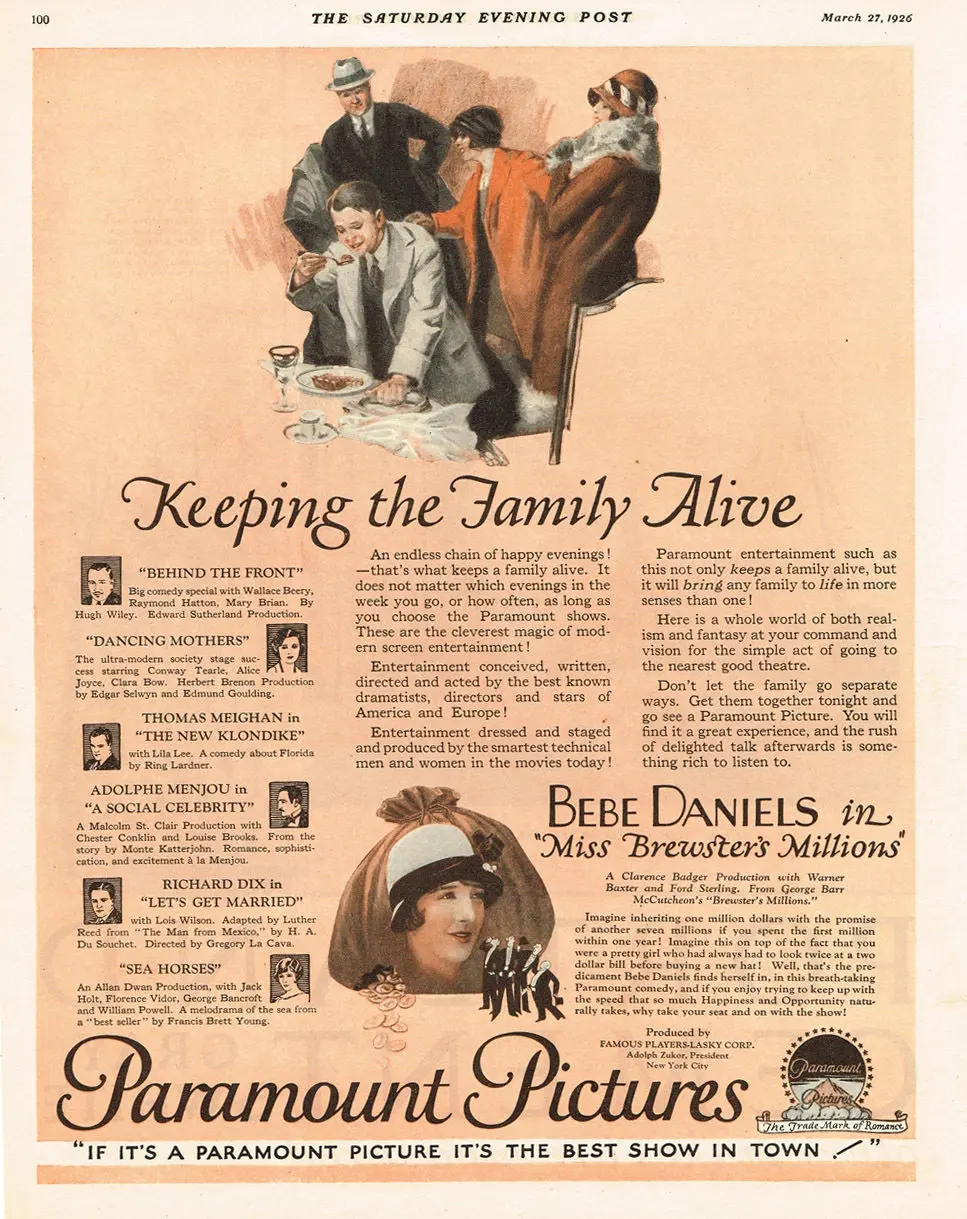
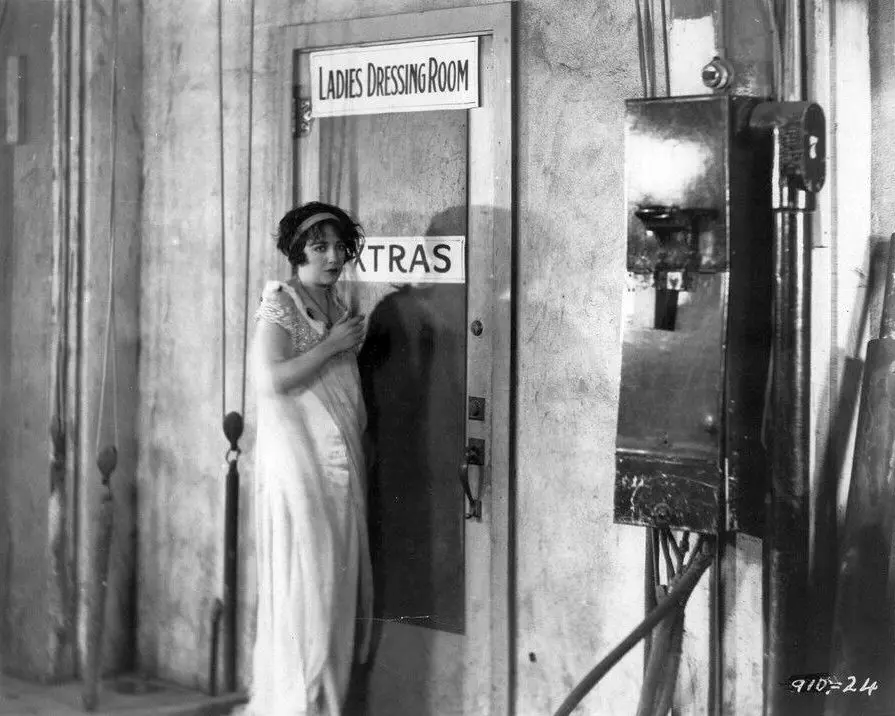
The central conceit of Miss Brewster's Millions—spending money to make money—is a timeless piece of comedic irony. Originally penned by George Barr McCutcheon, the story has been adapted numerous times, but the 1926 version starring Bebe Daniels offers a unique gender-swapped perspective for its time. In this iteration, Polly Brewster isn't just a bored socialite; she is an extra in the Hollywood machine. This background adds a layer of desperation to her spending. When she tries to throw away money, it isn't just a game; it is a direct assault on her previous life of scarcity.
Take, for instance, the scene where Polly attempts to hire a fleet of expensive cars for a simple trip to the corner store. The physical comedy here is sharp. Daniels uses her eyes and her limbs to convey a woman who is terrified of her own bank account. It is a stark contrast to the more somber explorations of poverty found in films like A Cumberland Romance, where the lack of money is a heavy, static weight. Here, money is a volatile gas, expanding to fill every room until Polly is nearly suffocating.
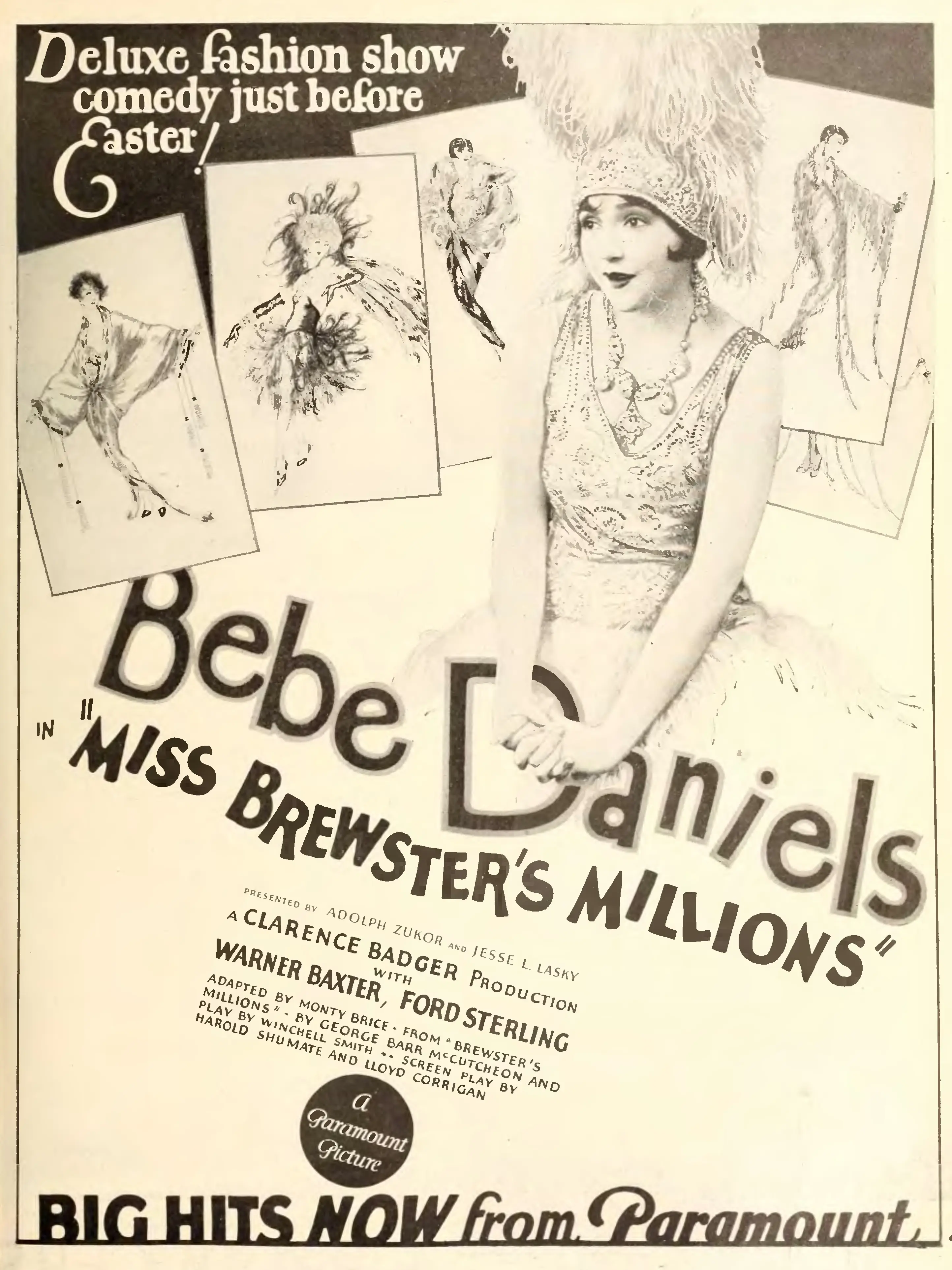
The direction by Clarence G. Badger (working from a script by a massive team including Lloyd Corrigan and Harold Shumate) keeps the camera relatively objective, allowing the chaos to unfold within the frame. There is a specific moment where Polly tries to bet on the 'wrong' horse at the track, only to have her luck turn against her. The frustration on her face when she wins more money is a masterclass in inverted emotion. It works. But it’s flawed in its execution of the larger stakes.
Bebe Daniels was a force of nature in the 1920s, and here she proves why she was a top-tier star. Her Polly Brewster is not a victim of the inheritance; she is a gladiator in a silk dress. Unlike the more delicate portrayals of women in Der verlorene Schuh, Daniels is unafraid to look ridiculous. She lunges at opportunities to lose money with a ferocity that borders on the grotesque. This is a performance of movement, a frantic scurry that defines the film's rhythm.
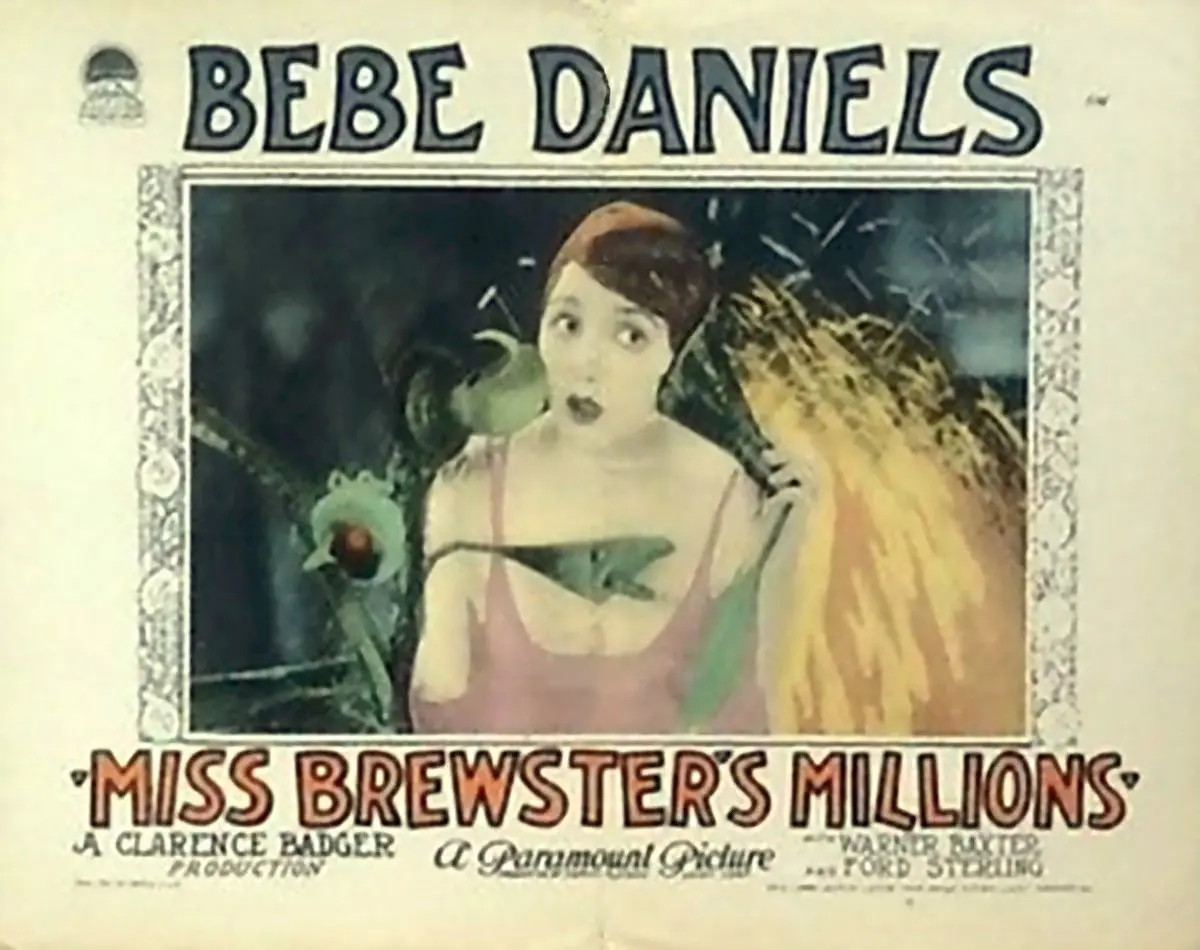
Warner Baxter, playing Tom Hancock, provides the necessary grounded foil. His performance is intentionally stiff, representing the legal and moral boundaries Polly is trying to shatter. When Hancock presents Polly with the ledger of her spending, the tension in the room is palpable. It isn't the romantic tension of Borrowed Clothes; it is the tension of an accountant watching a building burn. Baxter’s stoicism makes Daniels’ mania pop. He is the straight line that she zig-zags across.
The supporting cast, particularly Ford Sterling and George Beranger, add the necessary texture of 1920s character acting. Sterling, known for his work with the Keystone Cops, brings a touch of that broad, slapstick energy to the role of the antagonist. His attempts to thwart Polly’s spending are cartoonish but effective. He represents the 'spite' of Uncle Ned, a ghost in the machine of Polly’s new life. His presence ensures that the film never becomes too light; there is always a threat of returning to the breadlines.
Visually, Miss Brewster's Millions is a product of its time, but it uses the limited technology of 1926 to great effect. The sets are opulent, designed to look like the height of Hollywood luxury. This opulence is crucial because it needs to feel like a trap. Every gold-leafed chair and expensive vase is a hurdle for Polly. The cinematography focuses on the scale of her purchases, often using wide shots to show the sheer volume of 'stuff' she is accumulating in her quest to have nothing.
The editing is where the film shows its age, for better and worse. The pacing in the first act is lightning-fast, establishing the stakes and the rules of the game with efficiency. However, by the second act, the film falls into a repetitive cycle. Polly buys something, Uncle Ned's agents interfere, she wins money back, she gets frustrated. This cycle is common in silent comedies—think of the repetitive gags in Cooks and Crooks—but here it feels slightly more taxing because the stakes are so high.
"The film treats wealth not as a reward, but as a biological contagion that Polly must sweat out of her system before she can find true happiness."
One surprising observation is how the film handles the concept of 'charity.' Polly cannot simply give the money away; the rules of the will forbid it. This forces the film to engage in a weirdly capitalist critique. She must engage in commerce to destroy her wealth. This leads to some of the film's most cynical and interesting moments, where Polly interacts with the upper crust of society and finds them to be just as much of a hurdle as her poverty ever was.
Yes, Miss Brewster's Millions remains a vital watch for fans of silent comedy. It provides a rare look at a female-led farce that isn't entirely dependent on a marriage plot for its stakes. While the ending is predictable, the journey through Polly’s thirty-day nightmare is filled with enough inventive gags and historical charm to justify its runtime. It is a loud, busy, and occasionally exhausting film that perfectly captures the 'Roaring Twenties' spirit of excess and anxiety.
Miss Brewster's Millions is a fascinating time capsule. It lacks the emotional depth of something like Politics, but it makes up for it with sheer, unbridled energy. The film is a testament to the fact that even a hundred years ago, we were obsessed with the corrupting power of the dollar and the absurdity of the ultra-wealthy. It is a fun, frantic, and slightly cynical romp that proves Bebe Daniels was one of the era's most capable comedic engines. It isn't a deep philosophical treatise, but as a piece of pure entertainment, it still manages to pay out. It’s a solid investment of your time, even if the film itself is all about divestment.
IMDb 6.5
1933
Community
Log in to comment.