DbcultAccessing Vault...
6.4/10
Senior Film Conservator
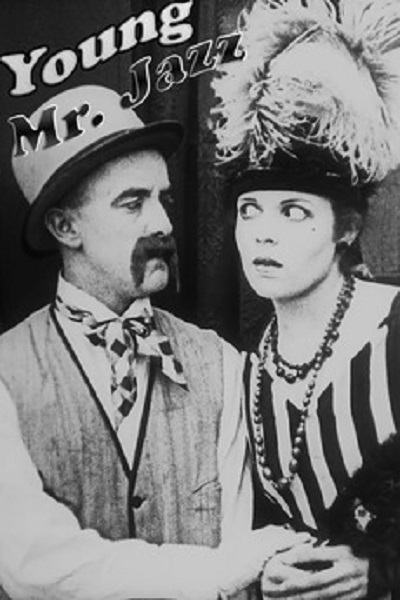
A definitive 6.4/10 rating for a film that redefined the boundaries of cult cinema. Young Mr. Jazz remains a cornerstone of transgressive art.
Young Mr. Jazz, a quintessential Harold Lloyd short, isn't just a film; it's a meticulously choreographed cascade of escalating predicaments, a masterclass in the art of comedic tension and release. From the moment the frantic chase begins, the audience is plunged headfirst into a world where an ordinary man, adorned with his iconic spectacles, must navigate an extraordinary gauntlet of romantic pursuit and criminal conspiracy. Lloyd’s persona, the earnest, slightly naive, but ultimately resourceful 'Glasses Character,' is on full display here, making him the perfect conduit for the film's relentless humor. He embodies the everyman thrust into the absurd, a figure whose determination to win his girl and protect their meager possessions is as admirable as his methods are often hilariously clumsy.
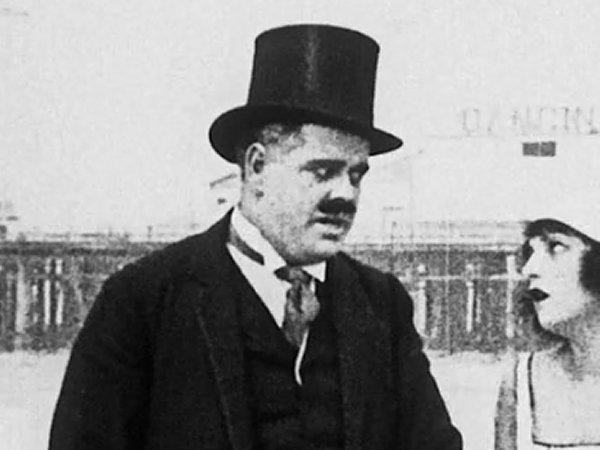
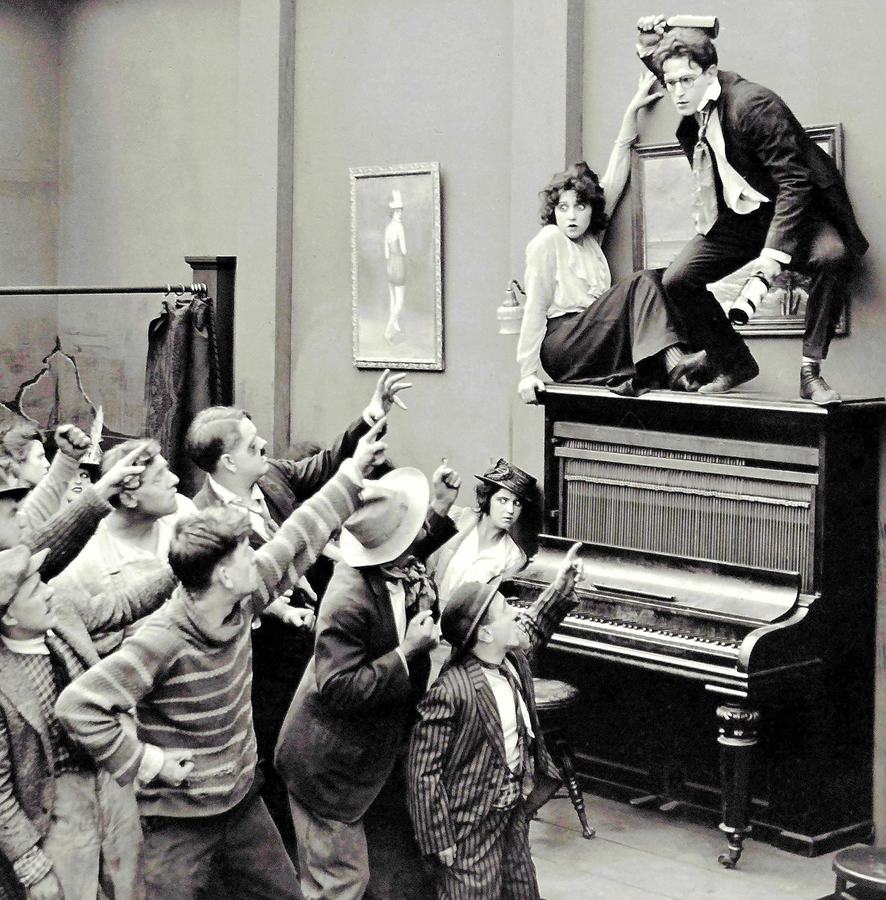
The narrative thrust is simple yet profoundly effective: a young man, Harold, is madly in love, but his affections are vehemently disapproved of by his sweetheart's stern father. This paternal figure, a recurring archetype in silent comedies, becomes an immediate engine for the plot, propelling Harold and his beloved, portrayed with vivacious charm by Bebe Daniels, into a desperate flight. Their initial escape, a classic car chase, immediately establishes the film's kinetic energy. But it is the sudden, mechanical failure of their automobile, stranding them before the imposing facade of a dance hall, that truly ignites the comedic fireworks. This isn't just any dance hall; it's a hub of illicit activity, a den of thieves, setting the stage for a delightful collision of domestic drama and underworld intrigue. The ingenious twist here is how Harold's personal dilemma—evading the girl's father—becomes inextricably intertwined with a far more dangerous, external threat: the crooks who run the establishment, eyeing the pair as easy marks.
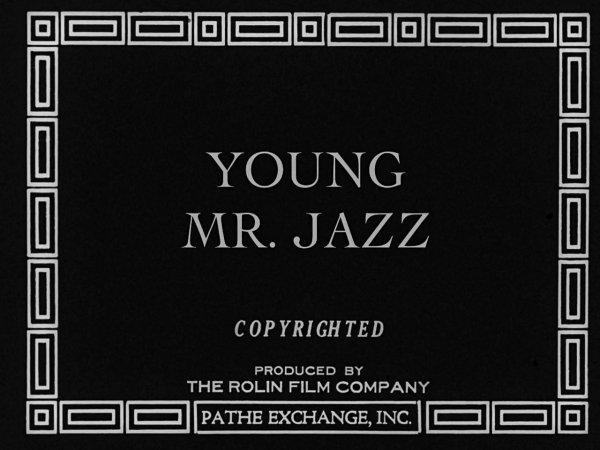
Lloyd's genius lies in his ability to layer these threats, creating a multi-faceted challenge that demands both physical agility and quick-witted improvisation. He's not merely running from one problem; he's juggling several, each demanding immediate attention. The father's relentless pursuit provides a constant, external pressure, a looming specter of patriarchal disapproval. Simultaneously, the internal threat from the dance hall's criminal element introduces a different kind of danger, one that requires stealth, cunning, and often, sheer luck. The film expertly builds a sense of claustrophobia within the seemingly open space of the dance hall, as Harold finds himself trapped between these two converging forces. This intricate dance of evasion and confrontation is what makes Young Mr. Jazz such a compelling watch, even a century later.
Bebe Daniels, as Harold’s spirited love interest, is far more than a mere damsel in distress. Her character possesses an undeniable spunk, a willingness to participate in the hijinks and share in the danger. Her reactions often mirror the audience's, providing a relatable anchor amidst the chaos. The chemistry between Lloyd and Daniels is palpable, lending a genuine warmth to their frantic escapade. Their shared predicament fosters a bond that transcends the slapstick, making their ultimate triumph feel earned and satisfying. Daniels’ expressive face and physical comedy skills are perfectly matched to Lloyd’s, creating a dynamic duo that elevates the material beyond simple gags. Her presence ensures that the audience roots for their romance just as much as their survival.
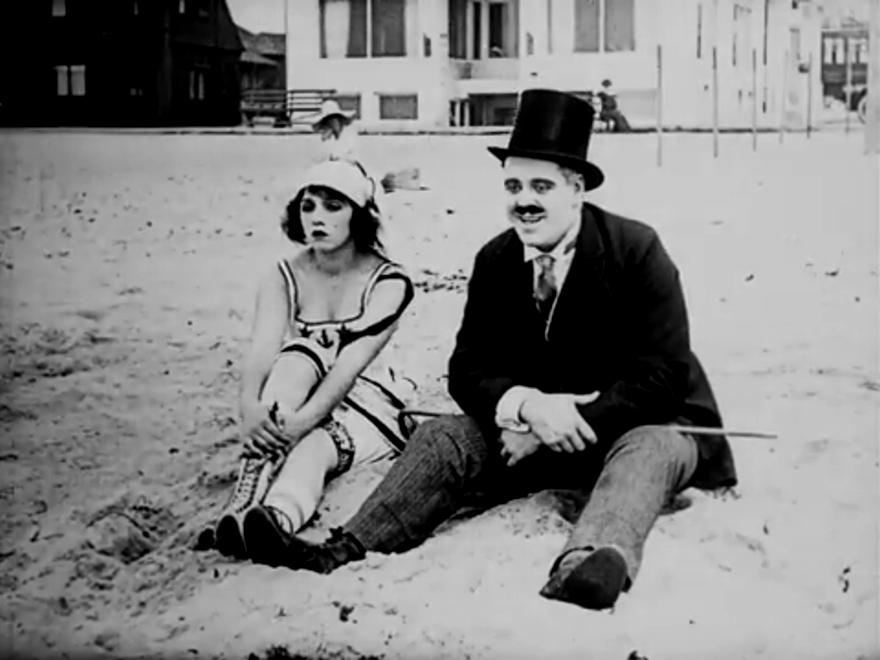
The supporting cast, a veritable who's who of early silent film character actors, contributes significantly to the film's vibrant tapestry. 'Snub' Pollard, with his distinctive physicality, often provides additional layers of comedic relief or villainous menace. Dorothea Wolbert, Emmy Wallace, and Bud Jamison, among others, fill out the dance hall with a colorful array of patrons and nefarious characters, each adding to the film's bustling, often menacing, atmosphere. Noah Young, a frequent antagonist in Lloyd's films, likely plays one of the more formidable crooks, his imposing stature and gruff demeanor providing a stark contrast to Harold's unassuming presence. The collective energy of these performers transforms the dance hall from a mere set into a living, breathing entity, a crucible of both revelry and danger.
The comedic techniques employed throughout Young Mr. Jazz are a testament to the ingenuity of the silent era. Visual gags abound, from exaggerated physical reactions to cleverly staged mishaps. The film relies heavily on the escalating predicament, a hallmark of Lloyd's work, where each attempt to resolve a problem only seems to create two new, more complex ones. Harold's attempts to blend in, to hide, or to outsmart his pursuers inevitably lead to further complications, drawing laughter from the sheer absurdity of his situation. The pacing is relentless, a rapid-fire succession of gags and near-misses that keeps the audience on the edge of their seats. This frenetic energy is reminiscent of other meticulously constructed comedic chases of the era, where the protagonist's ingenuity is constantly tested against insurmountable odds.
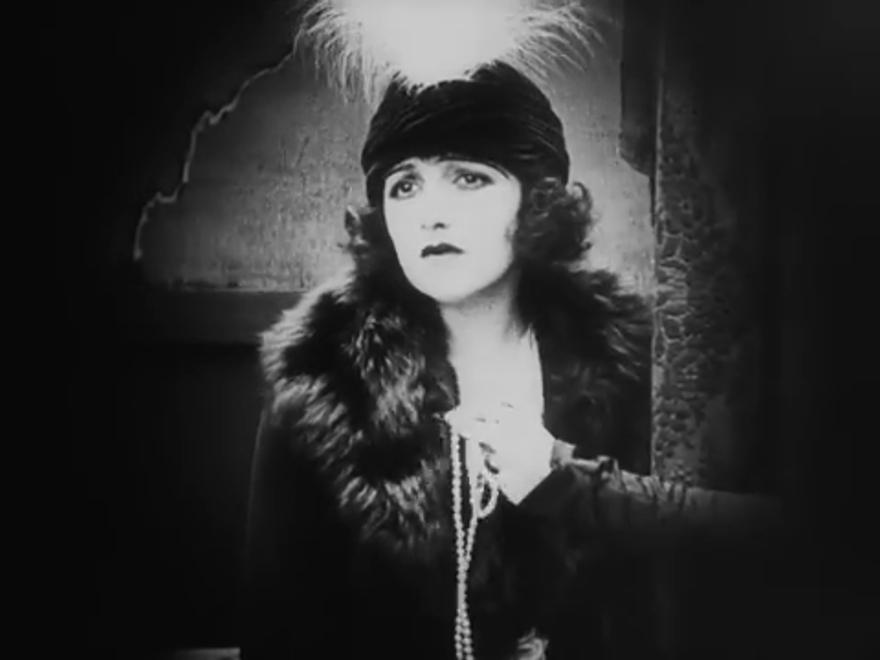
One might draw parallels between the relentless, almost breathless pace of Young Mr. Jazz and the narrative drive found in films like Neal of the Navy, where a character is constantly reacting to external threats and navigating dangerous situations, albeit in a more dramatic context. While 'Neal' focuses on maritime espionage, the core idea of a protagonist thrown into a series of escalating, life-threatening scenarios resonates. Here, however, the stakes are primarily comedic, even as the threat of robbery and capture remains very real for Harold. The film leverages physical comedy to convey character and plot, an art form that Lloyd perfected. His ability to perform daring stunts while maintaining his 'Glasses Character' persona is a marvel, making the audience believe in his plight even as they laugh at his antics.
The film's exploration of themes is subtle but effective. At its heart, it’s a story about the pursuit of love against all odds, a universal narrative made fresh by the specific comedic challenges Harold faces. It's also a commentary on navigating authority – both the familial authority of the disapproving father and the criminal authority of the dance hall's proprietors. Harold's journey is one of self-reliance, of finding inner strength and ingenuity when confronted with overwhelming external forces. The dance hall itself becomes a microcosm of a chaotic world, where order and disorder constantly clash, and where the line between innocent revelry and illicit activity is blurred. This setting allows for a rich tapestry of interactions and opportunities for both humor and tension.
The direction, presumably a collaborative effort given the era, with Fred C. Newmeyer often contributing to Lloyd's shorts, ensures that every gag lands and every narrative beat is hit with precision. The camera work, while typical of the period, is always functional, serving the comedy and the story without drawing undue attention to itself. The editing is sharp, maintaining the brisk pace essential for a successful silent comedy. The film never overstays its welcome, delivering its jokes and plot points with efficiency and flair. This tight construction is a hallmark of the best silent shorts, where every frame is utilized to its maximum comedic potential.
Reflecting on the broader context of silent film, Young Mr. Jazz stands as a shining example of Harold Lloyd’s distinctive brand of comedy, which often contrasted with the more melancholic tramp persona of Chaplin or the surreal stoicism of Keaton. Lloyd's character, the ambitious, optimistic go-getter, resonated deeply with American audiences of the 1920s, embodying the spirit of progress and upward mobility, even when faced with seemingly insurmountable obstacles. His films were not just about laughter; they were about aspiration and perseverance, qualities that made him an enduring icon. The romantic element, too, was crucial to his appeal; his pursuit of the girl was always earnest, making his triumphs all the more satisfying.
The film also showcases the vibrant, if sometimes seedy, underbelly of urban life during the Prohibition era, even if subtly. The dance hall, with its hidden dangers, hints at a world beyond polite society, a common motif in films exploring the complexities of the modern city. This dual nature of excitement and peril is something that can be seen in other narratives that delve into the less savory aspects of society, though Young Mr. Jazz always maintains its lighthearted comedic tone. The sheer energy of the dance sequences, juxtaposed with the lurking threats, creates a dynamic environment that is both entertaining and slightly disquieting.
The specific gags involving mistaken identities, narrow escapes, and ingenious improvisations are meticulously crafted. Harold might find himself hiding in plain sight, or using an unexpected object to disarm a foe, or even inadvertently causing a chain reaction of comedic mishaps. These moments are not merely slapstick for its own sake; they are character-driven, stemming from Harold's urgent need to protect himself and his sweetheart. The physical comedy is always grounded in the narrative, making it more impactful and genuinely funny. It's a testament to Lloyd's skill that he could elicit both laughter and genuine concern for his character's plight.
In terms of its lasting legacy, Young Mr. Jazz is a vital entry in Lloyd's filmography, illustrating his evolving comedic style and his growing mastery of the medium. It's a film that, despite its age, still feels fresh and immediate, a testament to the timelessness of well-executed physical comedy and compelling character work. The film’s ability to combine thrilling chase sequences with heartfelt romance and genuine humor ensures its place as a beloved classic. It perfectly encapsulates the energy and innovation of early Hollywood comedy, where simple premises were transformed into unforgettable cinematic experiences through sheer creativity and talent.
The interplay of light and shadow, typical of black-and-white silent films, is effectively used to create atmosphere within the dance hall. The dimly lit corners and bustling crowds contribute to the sense of mystery and danger, making Harold's attempts at evasion all the more challenging. This visual storytelling, without the aid of dialogue, relies heavily on the actors' expressions and body language, as well as the careful staging of scenes. The film’s visual clarity ensures that even the most complex gags are easy to follow, allowing the audience to fully immerse themselves in the unfolding chaos. This meticulous attention to visual detail is a hallmark of the era's best productions, where every element on screen had to convey meaning.
Ultimately, Young Mr. Jazz is more than just a series of laughs; it's a meticulously constructed piece of cinematic art that showcases the unparalleled talent of Harold Lloyd and his collaborators. It’s a film that reminds us of the enduring power of silent comedy, its ability to transcend language barriers and cultural shifts to deliver pure, unadulterated entertainment. It stands as a vibrant testament to an era when storytelling was often reduced to its purest visual form, requiring exceptional ingenuity and performance to captivate audiences. This film, like many of Lloyd's shorts, demonstrates a profound understanding of comedic timing and audience psychology, solidifying his place as one of the true titans of early cinema. Its intricate plot, blending romance, action, and humor, makes it a timeless gem that continues to delight viewers who discover its chaotic charm.
IMDb 6.1
1931
Community
Log in to comment.