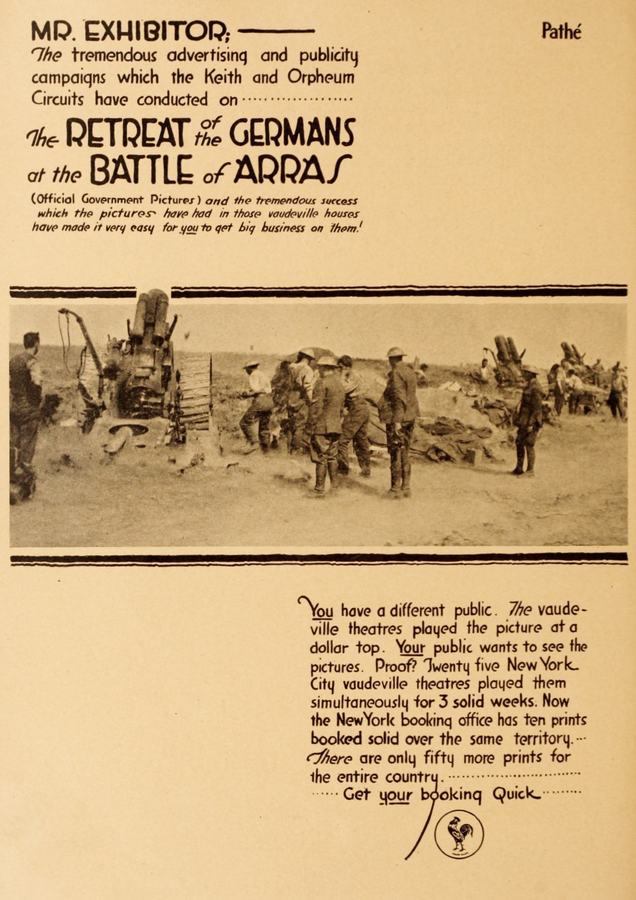
Documentary, one of a series, showing Great Britain's participation in the First World War. This entry depicts the fighting, waiting, labor, and logistics of the successful British effort to push back the German army at Arras.
United Kingdom
::selection{background:#EAB308;color:#000}h2{color:#C2410C;border-bottom:2px solid #0E7490;margin-top:2.5em}a{color:#0E7490;text-decoration:underline;text-decoration-color:#C2410C}a:hover{color:#EAB308} Nitrate Reverie: How the Camera Became a Trench Companion Imagine the cameraman as a ghost in puttees, lugging a wo...
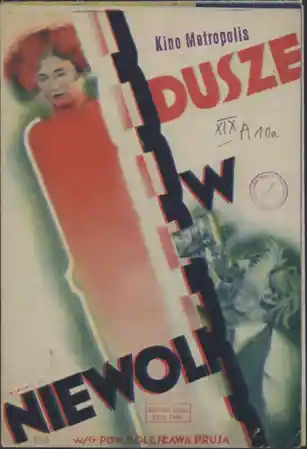

Comparing the cinematic DNA and archive impact of two defining moments in cult history.
Unknown Director
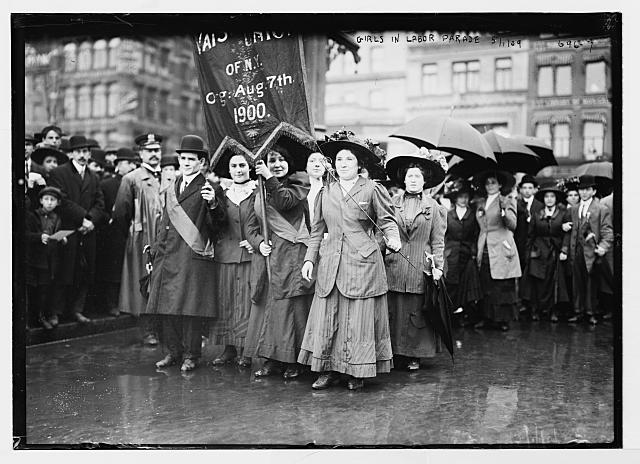
Unknown Director
Community
Log in to comment.
" ::selection{background:#EAB308;color:#000}h2{color:#C2410C;border-bottom:2px solid #0E7490;margin-top:2.5em}a{color:#0E7490;text-decoration:underline;text-decoration-color:#C2410C}a:hover{color:#EAB308} Nitrate Reverie: How the Camera Became a Trench Companion Imagine the cameraman as a ghost in puttees, lugging a wooden-bodied Moy & Bastie through corridors of chalk that smell of cordite and wet sandbags. Each forward crank of the handle is a small act of insurgency against entropy: every fra..."