DbcultAccessing Vault...
Cult Review
Senior Film Conservator
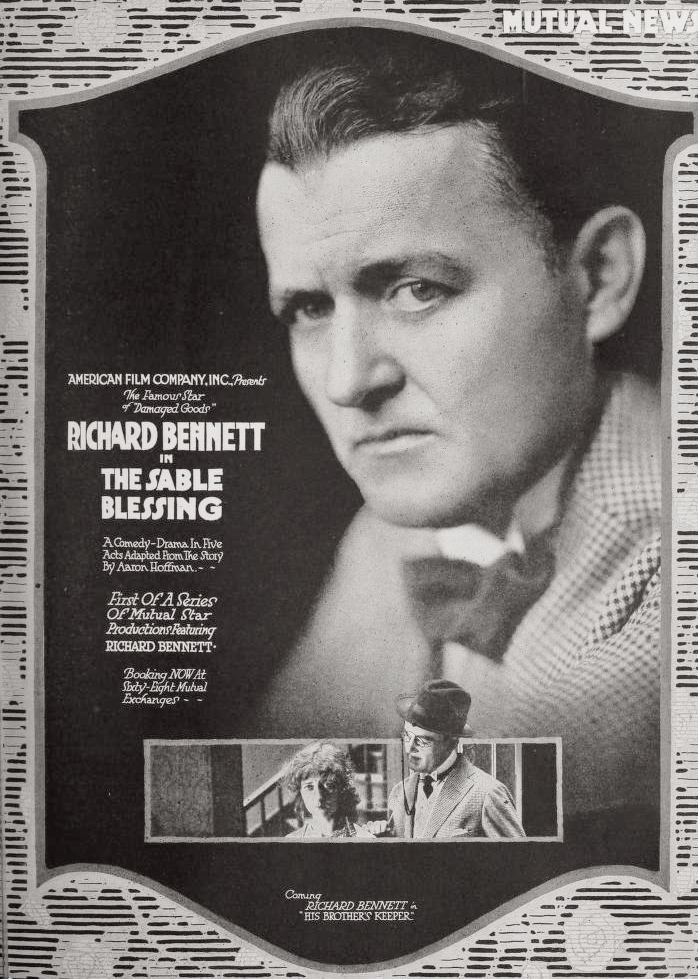
The Sable Blessing is less a film than a fever dream caught in the nickel plating of 1921 celluloid—an America where luck is a carnivore and love the trembling herbivore it drags into the bushes. Director Edward Sloman, never heralded among the pantheon of Griffith or DeMille, here orchestrates a morality play that feels startlingly post-modern: identity as commodity, romance as ledger sheet, and a single garment functioning simultaneously as baptismal robe and noose.
The first time John Slocum drapes the raffle-won sable across his stooped shoulders, the camera—almost winking—lingers on the absurd halo of fur that frames his threadbare shoes. In that instant the film announces its thesis: aspiration is tailor-made, but the seams always split. Slocum’s transformation is not Pygmalion; it is alchemy gone septic. Every subsequent close-up of the overcoat’s obsidian nap feels less like costume design than like a zoological specimen pinning the protagonist under glass.
Rhea Mitchell’s Mary is a master-class in micro-gesture: a blink held half a second too long, a thumbnail worrying the hem of her apron. She embodies the working-girl ethos without the coy flappershine that polluted so many Jazz Age ingénues. Opposite her, Alfred Hollingsworth’s John exudes a recessive charm; his smile arrives late, like a telegram announcing someone else’s victory. The pair generate the kind of quiet combustion that talkies would soon smother with chatter.
Adapted from a story by Aaron Hoffman—whose ethnic vaudeville patter usually crackled with Lower East Side sarcasm—the screenplay instead mines the existential chill of the metropolis. The boarding-house parlor, with its antimacassars and perpetual cabbage aroma, is a holding pen for the nearly-poor, those who balance on the knife-edge between respectability and charity. The sable coat tips John onto the other side of that edge, but the crossing fee is the communal solidarity he shared with Mary. In 1921, when labor strikes still bled in the streets, the film’s implication is seditious: wealth is not merely corrupting; it is centrifugal, flinging bodies from the center of human warmth.
Cinematographer Friend Baker, who would later lens the sun-scorched westerns of Buck Jones, here opts for soot and candle-flame. Interiors are pools of umber gloom broken by sulfuric flashes of streetlamps. The tavern sequence—a melee of top hats, spittoons, and predatory grins—unfolds in a single, dizzying dolly shot that predates Murnau’s fluid camera in The Last Laugh by three years. It is the visual equivalent of a jazz break, syncopated and slightly drunk.
Bess De Voe is introduced via a photograph pinned amid cigarette cards of cinema sirens, an objet d’art reduced to currency in a male transaction. Yet the narrative refuses to vilify her; when she demands John’s winnings at the tavern, her eyes betray not greed but desperation of a kept woman who realizes her own stock is plummeting. Meanwhile, Mary’s thrift-account passbook—its balance dwindling in superimposed intertitles—becomes the film’s true beating heart, a paper valentine bleeding ink.
Though the original score is lost, contemporary cue sheets suggest a ragtime motif for John’s penurious days giving way to a tango when the coat arrives. Modern restorations often overlay a wistful violin theme that, paradoxically, makes the silent images talk back. Listen during the pawn-shop scene: the violin ascends just as John’s hand hovers over the coat’s lapel, and the tension between avarice and affection vibrates like an over-tuned string.
Set The Sable Blessing beside Lady Windermere’s Fan and you find two cultures dissecting reputation through fabric—Oscar Wilde’s fan and Hoffman’s coat both gossip items turned weapons. Stack it against Divorced and notice how both films punish women for economic appetite yet grant men redemption via last-minute epiphany. Only Ene i verden matches this picture’s frost-bitten loneliness, though the Norwegian heroine faces the void without a lottery ticket or a stock tip to soften the abyss.
John’s meteoric rise on the wings of American Airoplanes stock is staged like a sacrament: ticker tape becomes confetti, the broker’s office a cathedral nave. But the montage of ascending numbers is crosscut with shots of Mary scrubbing floors, her knees bruised, soap suds like aborted clouds. The film trusts viewers to connect those dots—an editorial leap that feels strikingly contemporary in our era of meme stonks and influencer wealth.
When John finally flings the sable from his shoulders to embrace Mary, the gesture is less romantic than revolutionary: a refusal to let commodities script his destiny. Their dawn marriage, performed by a sleepy minister with a hiccupping phonograph in the background, is the silent era’s answer to a sit-in protest. It reclaims time (no lavish reception), space (a tenement stoop), and narrative agency for the underclass.
Rewatch value: High—every frame is crammed with social semaphore that mutates depending on your own bank balance at the time of viewing.
Archive status: 35mm print survives at UCLA; a 2K scan circulates among private torrent circles, but a Blu-ray has yet to bless the bourgeoisie.
Ideal accompaniment: A flask of cheap bourbon and the awareness that your rent is due tomorrow—context the film demands, and deserves.
In the end, The Sable Blessing is a velvet grenade lobbed at the myth of meritocracy. It whispers that luck may drape you in sable, but only love—ragged, penniless, inconvenient—will keep you warm when winter gnaws through the seams.

IMDb 6.6
1927
Community
Log in to comment.