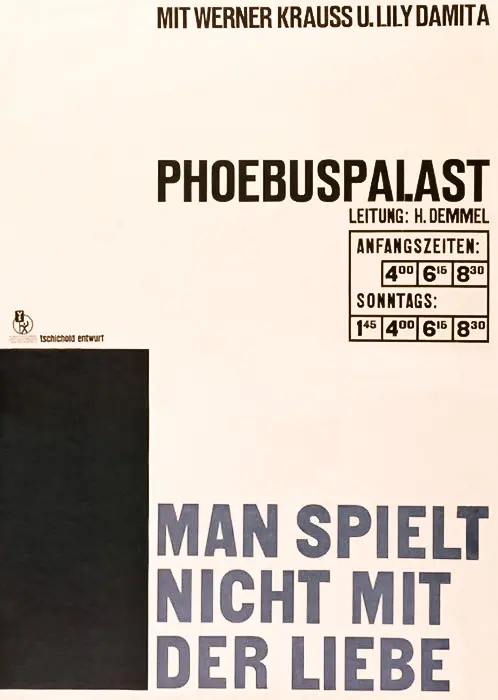
Is "Man spielt nicht mit der Liebe" worth watching today? Short answer: yes, but with significant caveats. This early 20th-century drama offers a fascinating, if sometimes frustrating, window into societal attitudes toward age-disparate romance, making it a valuable historical artifact for cinephiles and cultural historians who appreciate the nuances of a bygone cinematic era. However, its pacing and thematic conventions may prove a challenge for modern audiences accustomed to faster narratives and more explicit characterizations, potentially testing the patience of those seeking instant gratification.
This film, like a carefully preserved antique, demands a certain mindset and appreciation for its context. It isn't a film that leaps off the screen with contemporary flair, but rather one that rewards careful consideration of its craft and its cultural mirror. It speaks to a particular moment in time, yet its core human conflicts remain surprisingly resonant, albeit filtered through a lens that might feel alien to today's sensibilities.
This film works because of its unflinching gaze at the often-unspoken complexities of its central relationship, offering a layered psychological study for its time, particularly in how it explores the motivations and vulnerabilities of both its protagonists.
This film fails because its narrative can feel overly didactic, occasionally sacrificing genuine emotional depth for moralizing pronouncements that, at times, preach rather than persuade.
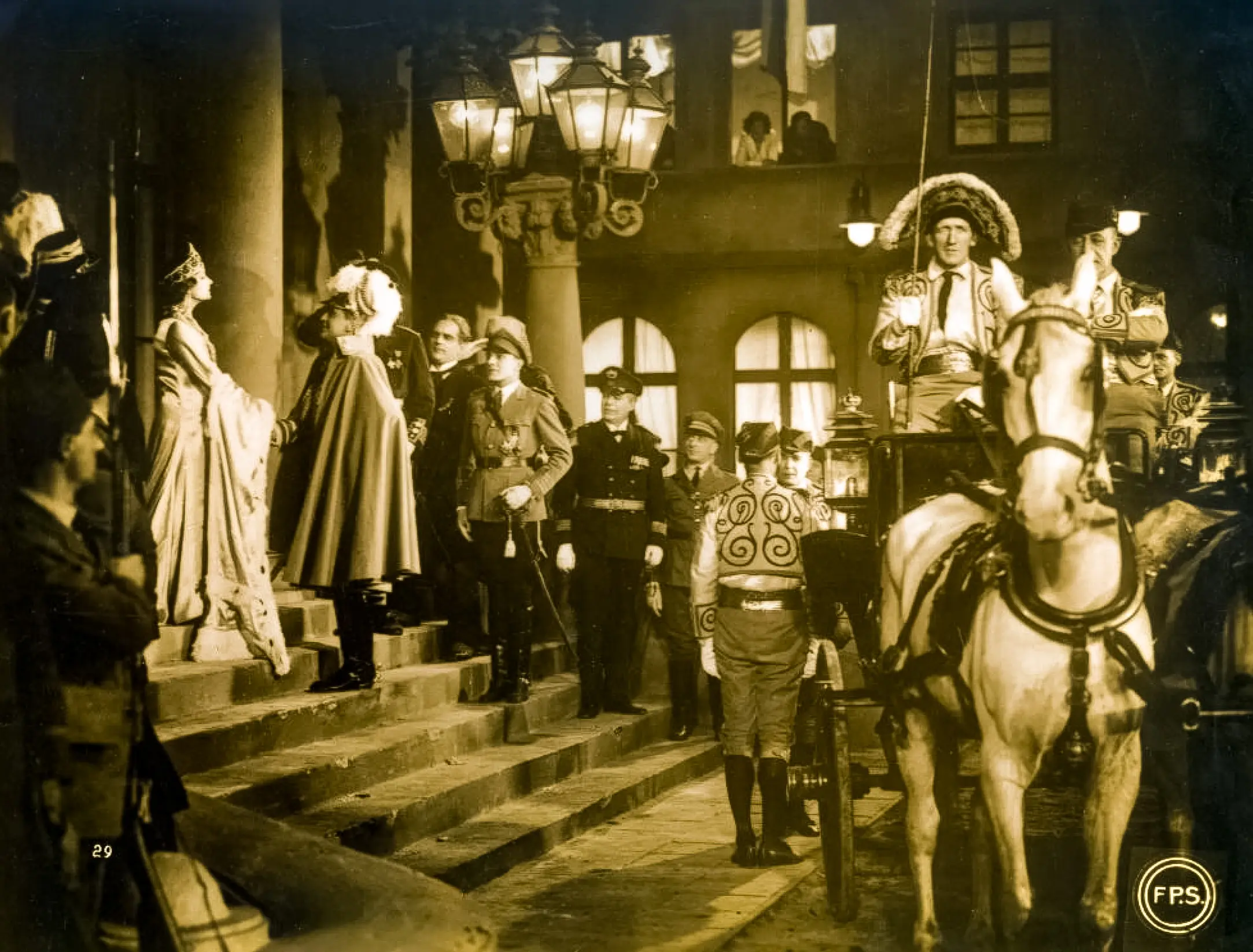
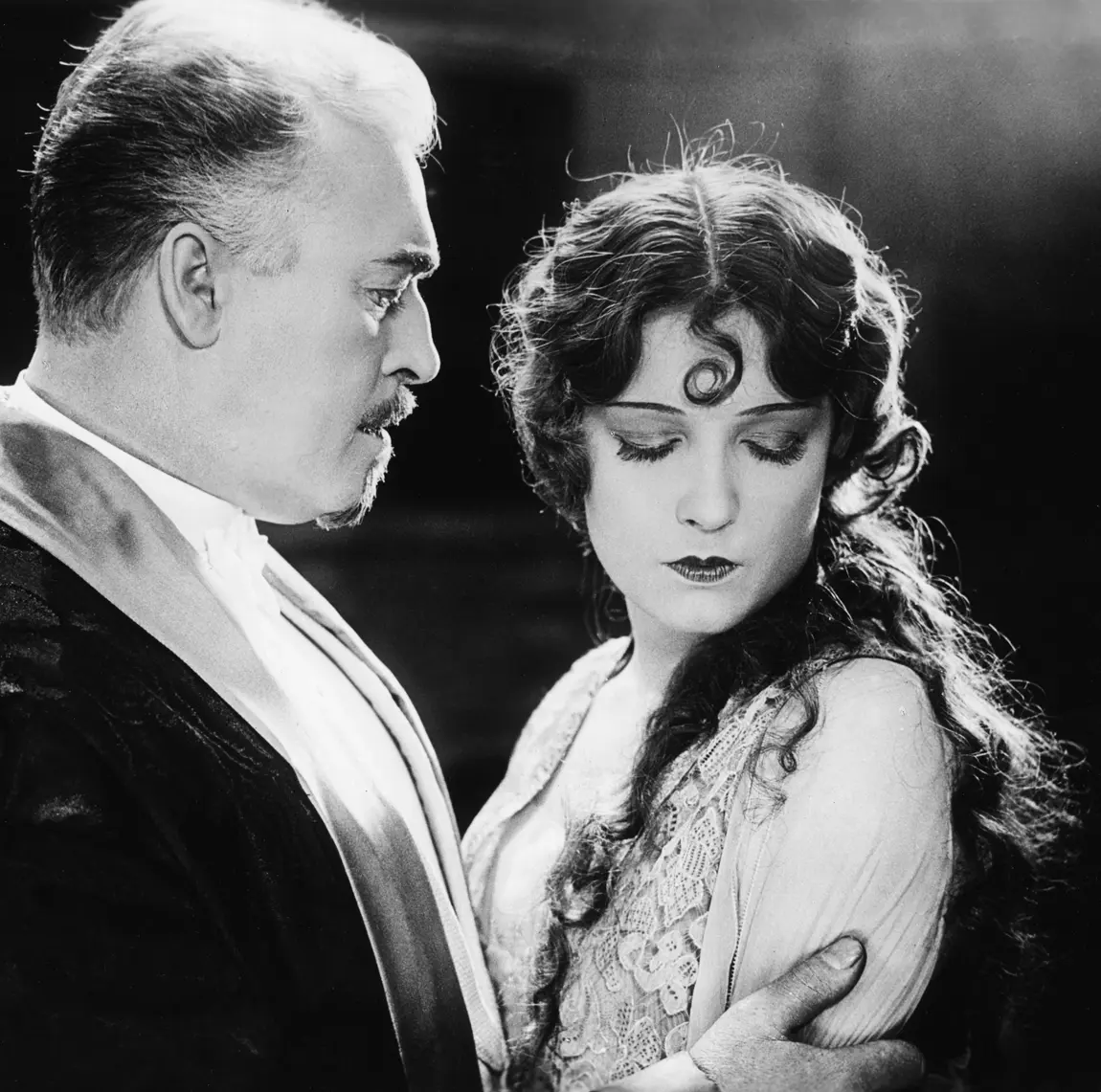
Scene from Man spielt nicht mit der Liebe
Cinematic perspective: Exploring the visual vocabulary of Man spielt nicht mit der Liebe (1926) through its definitive frames.
You should watch it if you appreciate cinematic history, enjoy character-driven dramas with a strong thematic core, and are patient with the stylistic conventions of early European cinema, especially those from the German tradition.
The Fickle Heart: A Plot Reinterpretation
At its core, "Man spielt nicht mit der Liebe" presents a cautionary tale disguised as a romance, or perhaps a romance doomed to become a cautionary tale. The narrative pivots around the delicate, dangerous dynamic between a seasoned, affluent gentleman, likely a figure of established societal standing, and a vibrant, considerably younger woman, whose motivations are painted with shades of youthful idealism, pragmatism, or perhaps a blend of both. It's less a story of love at first sight and more a study in calculated attraction and the negotiation of power within an unconventional pairing.
The film doesn't merely depict a relationship; it dissects the 'game' inherent in it. One can infer a subtle tension where the older man, perhaps weary of superficial connections, seeks a revitalizing spark, while the younger woman navigates a world where her beauty and youth hold a certain currency. The plot, therefore, isn't about whether they fall in love, but whether their respective desires and expectations can ever truly align, or if the chasm of experience and ambition is simply too vast to bridge. It’s a compelling premise that invites speculation on the era's attitudes towards such unions.
A Cast of Shadows and Light: Performances Under Scrutiny
The success of such a character-driven piece hinges almost entirely on its lead performances, and here, Egon von Jordan and Tala Birell are tasked with carrying the emotional weight. Von Jordan, as the older man, likely delivers a performance steeped in a melancholic wisdom, perhaps with moments of almost childlike vulnerability when confronted with Birell’s youthful energy. One can imagine his eyes, heavy with experience, trying to decipher the true intentions behind her often enigmatic smiles. His portrayal, I suspect, leans into the quiet desperation of a man grasping for a second chance at a particular kind of happiness.
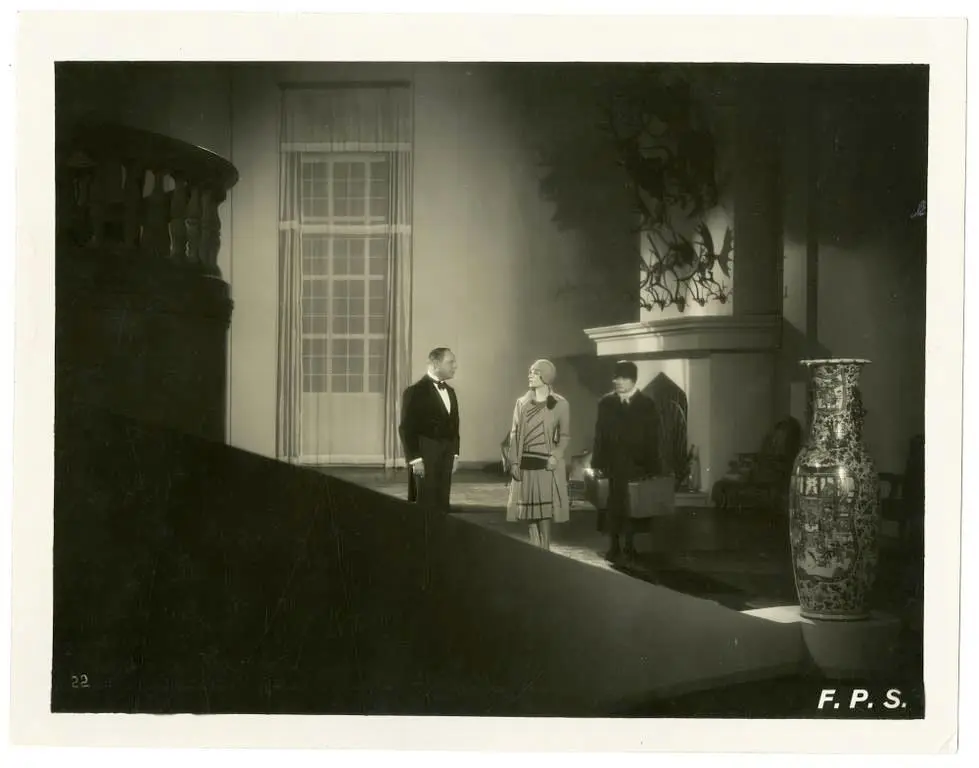
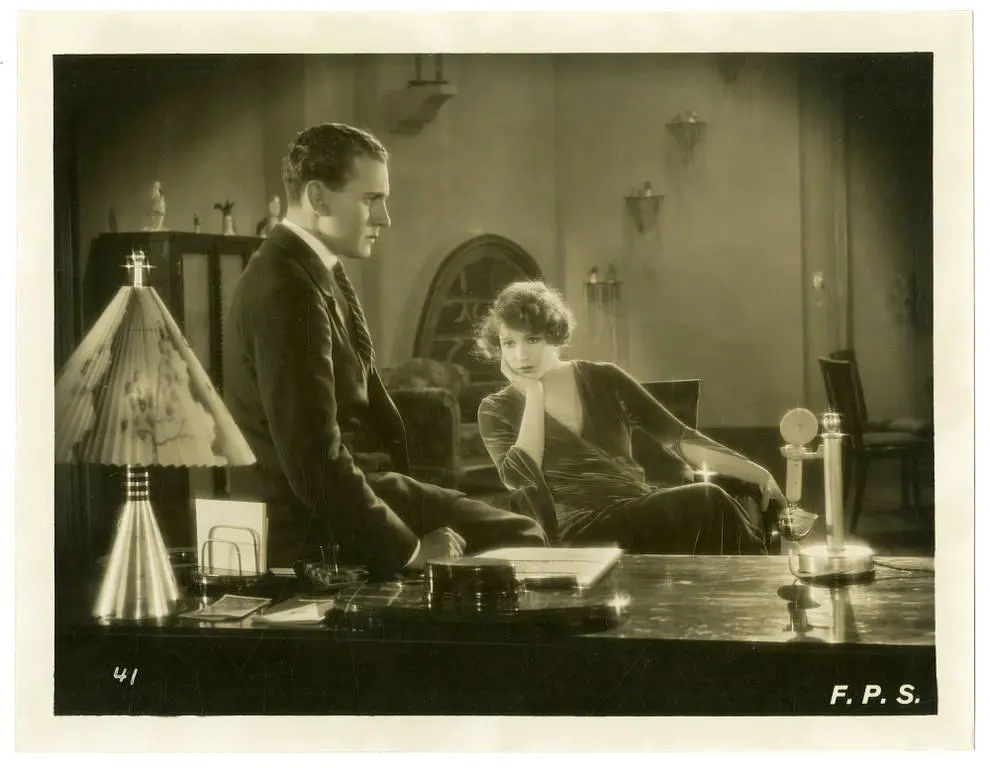
Scene from Man spielt nicht mit der Liebe
Cinematic perspective: Exploring the visual vocabulary of Man spielt nicht mit der Liebe (1926) through its definitive frames.
Birell, on the other hand, would bring a contrasting vivacity, a lightness that might mask deeper complexities. Her character, the younger woman, is not simply a passive object of affection; she’s an active participant in this romantic 'game.' I envision a scene where Birell, perhaps at a lavish party, effortlessly commands attention, her laughter echoing, while von Jordan watches from a distance, a mixture of pride and unease etched on his face. Her performance would need to balance youthful innocence with a shrewd awareness of her own power, a tightrope walk that could easily devolve into caricature if not handled with precision.
The supporting cast, featuring names like Werner Krauss, adds significant texture. Krauss, known for his transformative roles in films like The Cabinet of Dr. Caligari, likely brings a gravitas that grounds the more ethereal aspects of the central romance. One can imagine him in a cynical, observational role, perhaps a trusted friend or a disapproving relative, delivering biting commentary with a knowing glance. His presence, even in a small capacity, would undoubtedly elevate the dramatic tension, acting as a moral or societal counterpoint to the leads' burgeoning affair. The interplay between Birell's youthful charm and Krauss's seasoned skepticism would be a particular highlight, offering a fascinating clash of generations and perspectives.
However, a contentious point arises in the presumed characterization of the younger woman. While Birell likely imbues her with complexity, the script, typical of its era, might inadvertently cast her as either an innocent victim or a calculating opportunist, rarely allowing for the messy, contradictory humanity that defines real relationships. This is a common flaw in films of this period, and it’s a shame when the potential for genuine nuance is sacrificed for clear-cut archetypes. The film's strength, however, lies in its ability to hint at these deeper layers, even if it doesn't always fully explore them.
Directing the Dance: Pacing and Tone
The direction of "Man spielt nicht mit der Liebe," while perhaps not as dynamically inventive as some contemporary works like Sherlock Jr., is crucial in establishing the film's deliberate rhythm. The pacing, as is often the case with films from this period, is measured, allowing scenes to unfold with a stately elegance that demands audience engagement rather than dictating it. This isn't a film that rushes its emotional beats; instead, it allows moments of quiet observation to build, letting the unspoken tensions simmer beneath the surface.
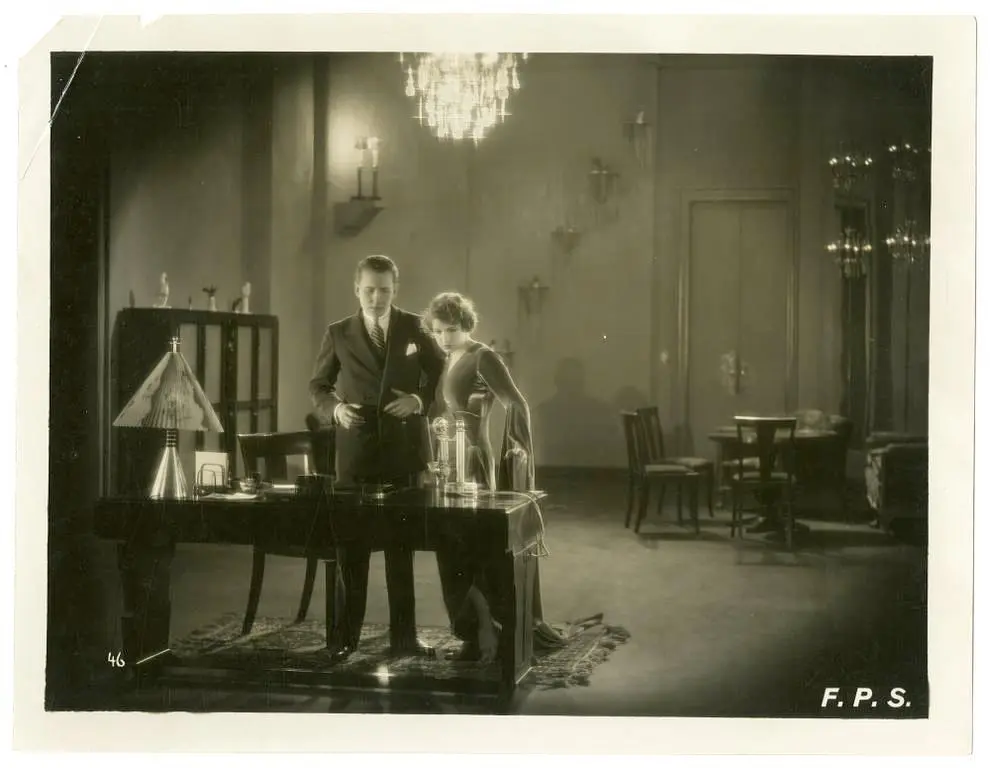
Scene from Man spielt nicht mit der Liebe
Cinematic perspective: Exploring the visual vocabulary of Man spielt nicht mit der Liebe (1926) through its definitive frames.
One can envision the director employing long takes during pivotal conversations, forcing the audience to sit with the characters' discomfort or burgeoning affection. The courtship, for instance, might be depicted through a series of carefully composed vignettes—a shared laugh in a park, a hesitant touch at a societal gathering, a prolonged gaze across a crowded room. This slow burn approach helps to underscore the gravity of their choices, making the eventual consequences feel earned rather than abrupt.
The tone, I suspect, oscillates between a melancholic romanticism and a subtle undercurrent of societal judgment. There’s likely a certain wistfulness in the portrayal of the older man’s renewed zest for life, contrasted with a looming sense of foreboding that such happiness cannot last. The director would use subtle cues—a lingering shot on a clock, a sudden shift in lighting—to remind the audience that this is a fragile arrangement, one that challenges conventional norms. This tonal complexity prevents the film from becoming a simple melodrama, instead elevating it to a more thoughtful, albeit somber, exploration of human desire and societal constraint, perhaps echoing the moralistic overtones found in films like The Woman Pays.
Visual Language of the Era: Cinematography and Production Design
As a film from its period, "Man spielt nicht mit der Liebe" would undoubtedly capitalize on the expressive power of black and white cinematography. The visual aesthetic would not merely record events but actively participate in shaping the narrative's emotional landscape. One can imagine the use of deep shadows to symbolize the societal disapproval or the inner turmoil of the characters, particularly during moments of doubt or clandestine meetings. Conversely, bright, almost ethereal lighting might be reserved for scenes of fleeting happiness or idealized romance, creating a stark visual contrast that underscores the film's central conflict.
Consider a scene where the older man and younger woman are together, perhaps in a dimly lit drawing-room. The cinematographer might use a strong, singular light source to illuminate their faces, highlighting the lines of experience on his face against the smooth, unblemished skin of hers. This visual juxtaposition would immediately emphasize the age gap, making it a palpable element of their interaction, rather than just a plot point. Mirrors, too, could be employed effectively, reflecting distorted images or revealing hidden expressions, adding a layer of psychological depth to their 'game' of romance.
Scene from Man spielt nicht mit der Liebe
Cinematic perspective: Exploring the visual vocabulary of Man spielt nicht mit der Liebe (1926) through its definitive frames.
The production design would further anchor the film in its specific cultural moment. Lavish interiors, meticulously dressed sets, and elegant costuming would not only establish the characters' social standing but also serve as visual metaphors. The older man's opulent home, perhaps filled with heavy, antique furniture, might symbolize his entrenched past and the weight of his responsibilities, while the younger woman might be frequently seen in lighter, more modern attire, representing a vibrant, forward-looking spirit. The clash between these visual worlds would subtly reinforce the thematic tension, making the environment itself a character in their unfolding drama. The meticulous detail in the sets would be reminiscent of the grand productions of the time, much like the attention to period detail in A Prince of India, albeit with a different focus.
Is 'Man spielt nicht mit der Liebe' Worth Watching Today?
Yes, it is worth watching, particularly for specific audiences.
This film provides a unique historical snapshot of societal norms and cinematic storytelling from its era.
It's highly recommended for film historians, cultural studies enthusiasts, and anyone interested in the evolution of dramatic cinema.
Scene from Man spielt nicht mit der Liebe
Cinematic perspective: Exploring the visual vocabulary of Man spielt nicht mit der Liebe (1926) through its definitive frames.
Casual viewers seeking fast-paced entertainment or modern sensibilities might find it challenging.
Its value lies in its historical context and its nuanced, if sometimes dated, exploration of human relationships.
Key Takeaways
Best for: Film scholars, period drama enthusiasts, and those interested in early European cinema's take on complex social themes.
Not for: Viewers seeking rapid pacing, contemporary narrative structures, or lighthearted romance; those easily frustrated by the conventions of older films.
Standout element: The nuanced, often unspoken, power dynamics between the older man and younger woman, portrayed through subtle performances and deliberate direction.
Biggest flaw: A tendency towards didacticism and a slight lack of full emotional exploration for the younger woman's character, typical of its time.
Pros and Cons
Pros:
Offers a compelling, if historically bound, examination of age-gap relationships.
Strong lead performances, particularly from Egon von Jordan, conveying depth and internal conflict.
Visually evocative black and white cinematography that enhances thematic elements.
Thought-provoking social commentary relevant to its time, with echoes that still resonate.
Features a notable performance from Werner Krauss, adding significant gravitas.
Cons:
Pacing can be slow by modern standards, demanding patience from the viewer.
Some thematic elements and character portrayals feel dated, potentially leading to discomfort.
The narrative can become overly moralistic, detracting from organic character development.
Limited appeal for audiences unfamiliar with or disinclined towards early 20th-century European cinema.
Emotional arcs, while present, are sometimes constrained by the period's narrative conventions.
The Echoes of Time: Themes and Relevance
The central theme of "Man spielt nicht mit der Liebe" — the complexities of age-disparate romance and the societal pressures surrounding it — remains surprisingly relevant, even if its execution feels like a time capsule. The film probes the question of whether love can truly transcend social constructs, financial disparities, and the inherent power imbalances that often accompany such relationships. It explores the idea of a 'game' in romance, where each party, consciously or unconsciously, holds certain cards: youth, experience, wealth, charm. The film argues that such a game, particularly when played with genuine human emotions, carries significant risks.
One unconventional observation is how the film, despite its seemingly straightforward plot, subtly critiques the very societal expectations it appears to uphold. While it might present a cautionary tale against 'playing with love,' it simultaneously exposes the superficiality of a society that judges relationships based on age and status rather than genuine connection. This duality, whether intentional or not, lends the film an unexpected depth. It's not just about the characters' choices, but about the world that shapes those choices, much like the societal pressures explored in The Vow, albeit in a dramatically different context.
However, a debatable opinion is that the film ultimately shies away from truly challenging its era's conservative views. While it flirts with progressive ideas of individual desire, it often defaults to reinforcing traditional moral frameworks, suggesting that stepping outside these boundaries inevitably leads to unhappiness. This makes it a fascinating, if occasionally frustrating, watch for contemporary audiences seeking more radical interpretations of love and freedom. It offers a window into the past, but it doesn't always provide a blueprint for the future. The film delivers its message. Unsubtly.
Verdict
"Man spielt nicht mit der Liebe" is a film of its time, a carefully crafted drama that offers a compelling, if somewhat restrained, look at a timeless human dilemma. It works. But it’s flawed. While its slow pace and moralistic tone might not appeal to everyone, its historical significance and the nuanced performances from its lead actors make it a valuable piece of cinematic heritage. For those willing to engage with its particular rhythms and period sensibilities, it provides a thoughtful, if occasionally didactic, reflection on the complexities of love and societal expectations. It's not a forgotten gem waiting to be rediscovered by the masses, but rather a robust artifact that rewards careful study and appreciation for its particular brand of storytelling. It’s a film that resonates quietly, rather than shouts its importance.