DbcultAccessing Vault...
Cult Review
Senior Film Conservator
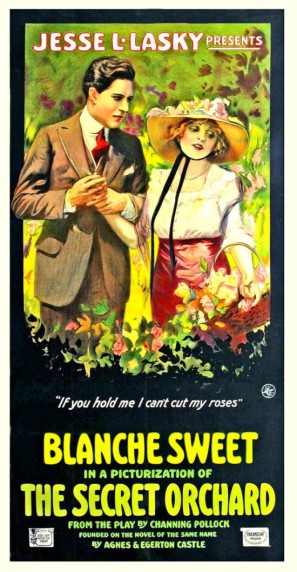
Ah, the silent era. A time when melodrama reigned supreme, when emotions were writ large across the screen, and the very air crackled with unspoken desires and hidden sorrows. The Secret Orchard, with its intricate tapestry of innocence, corruption, and the relentless pursuit of truth, stands as a quintessential example of this period's dramatic prowess. It’s a narrative that, even today, resonates with a potent blend of societal critique and deeply personal anguish, inviting us to ponder the enduring questions of morality, destiny, and the price of secrets.
Our journey begins not with a gentle dawn, but with the clinking of glasses and the boisterous laughter of a Parisian night, a symphony of revelry that penetrates the thin walls of a child’s room. Four-year-old Diane, stirring from her slumber, is drawn by an irresistible curiosity to the heart of this adult world. What she finds is a tableau vivante of the demimonde, her mother, Cora May, at its center – a woman whose allure is as undeniable as her circumstances are precarious. The film paints Cora as one of the 'stirs' of this glittering, yet ultimately unforgiving, social stratum, a figure whose vivacity is matched only by her vulnerability. The scene is a masterclass in establishing contrast: the innocent gaze of a child against the backdrop of sophisticated, perhaps even jaded, hedonism. It’s a stark introduction to a world where appearances often belie deeper truths, where gaiety can be a mask for desperation.
The pivotal moment arrives with a friend's chilling pronouncement: "She has the devil in her eyes, Cora, just like you." This seemingly innocuous remark, delivered in the fleeting moment of a child's appearance, becomes a haunting prophecy, a specter that will loom large over Diane’s entire existence. It’s a testament to the film's nuanced writing, even in its silent form, that such a simple line can carry so much thematic weight. Cora, burdened by this foreboding observation and perhaps a genuine desire to spare her daughter the pitfalls of her own life, makes the agonizing decision to place Diane in the sanctuary of a convent. This tearful farewell, a poignant visual captured with exquisite emotional depth, marks a profound rupture in Diane’s life, propelling her from the vibrant, chaotic streets of Paris to the serene, disciplined embrace of monastic life. It’s a narrative pivot that immediately establishes the central conflict: nature versus nurture, inherited predisposition versus environmental influence. One might even draw parallels to the stark societal contrasts explored in films like The Daughters of Men, where female protagonists grapple with the rigid expectations and moral quandaries of their respective eras.
Within the hallowed walls of the convent, Diane blossoms. Nurtured by the sisters' gentle wisdom and unwavering faith, she grows into a young woman of breathtaking beauty and unblemished innocence. This period of her life is depicted as an idyll, a tranquil counterpoint to the tempestuous beginning. Yet, the seeds of that earlier prophecy, the 'devil in her eyes,' remain dormant, waiting for the right catalyst. That catalyst arrives in the form of a seaside vacation at Narbonne, a temporary reprieve from her cloistered existence. Here, amidst the sun-drenched beaches and the whispers of the Mediterranean breeze, Diane encounters 'Monsieur le Chevalier,' a figure of aristocratic charm and worldly sophistication. He is, unbeknownst to her, the Duke of Cluny.
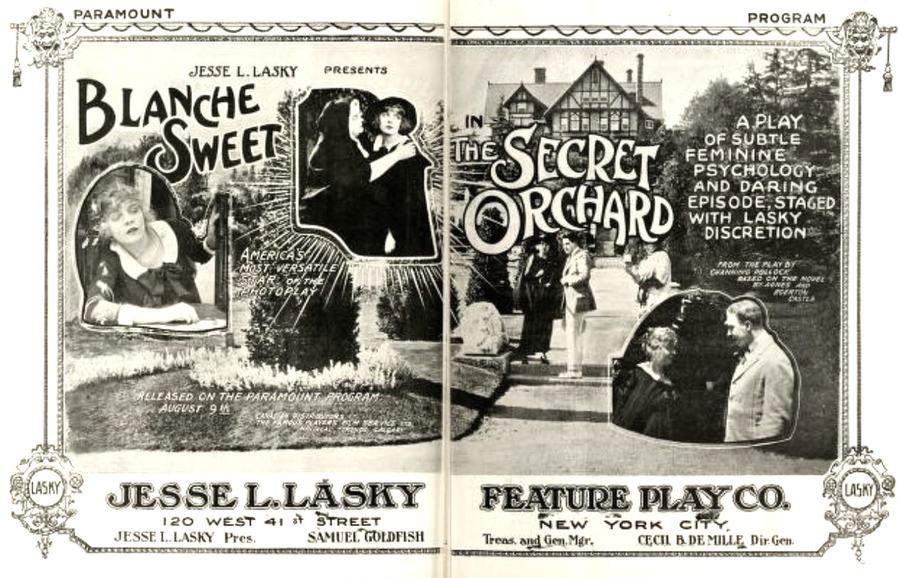
The magnetic pull between them is immediate, almost fated. His attraction to her radiant beauty is evident, but it is the perplexing depth of her eyes – those very eyes once deemed to harbor a 'devil' – that truly captivates and confounds him. The film exquisitely portrays this delicate dance of flirtation, a tentative exchange of glances and a few whispered words, culminating in a declaration of love that, to Diane’s sheltered heart, must have felt like an awakening. But this awakening is tragically short-lived. The Duke, a man accustomed to the easy conquests of his social standing, employs his 'worldly wiles' to seduce her, leaving Diane not just heartbroken, but utterly betrayed. Her innocence, so carefully cultivated, shatters under the weight of his casual perfidy. It’s a stark reminder of the vulnerability of women in a patriarchal society, a theme that echoes through countless melodramas of the era, and perhaps finds a more complex exploration in films like A Viuvinha, which also delves into the challenges faced by women navigating societal expectations and personal desires.
While Diane grapples with the wreckage of her first love, fate orchestrates an astonishingly cruel twist. Cora May, her mother, reaches the end of her sorrowful life, her final moments marked by the profound loneliness of a life lived on the fringes. Deserted by her fair-weather friends, she finds an unexpected solace in the compassionate presence of the Duchess of Cluny. This woman of rank, a beacon of kindness, sits at Cora’s bedside, bearing witness to an unhappy life ebbing away. In a moment of profound empathy, the Duchess makes a solemn promise: she will seek out Cora's child, Diane, and offer her a home, shielding her from temptation and guiding her through life's treacherous currents. The dramatic irony here is almost unbearable: the Duchess, unknowingly, pledges to protect the very victim of her own son's indiscretion. It’s a narrative stroke of genius, creating a tightly woven knot of destiny and duty that elevates the story beyond simple romance.
Diane, still reeling from the trauma of her betrayal, finds an unexpected haven in the Duchess’s home. The Duchess’s unwavering kindness becomes a balm to her wounded spirit, fostering a deep and abiding friendship. The film masterfully exploits the dramatic tension of this situation: Diane, utterly devoted to her benefactress, remains blissfully unaware that her rescuer is also the mother of the man who shattered her world. And then, the inevitable: Diane and the Duke, now brought together under the same roof, recognize each other. The shock, the unspoken horror, the crushing weight of their shared secret must have been palpable on screen, communicated through the powerful, expressive acting characteristic of the silent era. Yet, a silent pact is formed. Both Diane and the Duke, bound by a newfound respect and affection for the Duchess, choose to protect her from the devastating truth. Their remorse, particularly the Duke’s, adds a layer of complexity to his character, transforming him from a simple cad into a man grappling with the consequences of his actions. This intricate dance of veiled truths and profound affections creates a captivating psychological drama, perhaps even more potent than the swashbuckling adventures of The Count of Monte Cristo, where secrets are tools for revenge rather than a burden of love.
The delicate equilibrium of this hidden truth cannot last forever. Enter Lieutenant Dodd, a steadfast American naval officer whose unwavering affection for Diane ignites a new, yet complicated, chapter in her life. Dodd is a character of admirable persistence, a man whose love is not easily deterred. Diane, still scarred by her past and burdened by her secret, finds herself unable to accept his proposal of marriage, withholding the reasons for her reluctance. Her refusal, while seemingly inexplicable to Dodd, speaks volumes about the enduring shame and trauma she carries. It’s a powerful portrayal of how past wounds can dictate future choices, even when presented with genuine happiness.
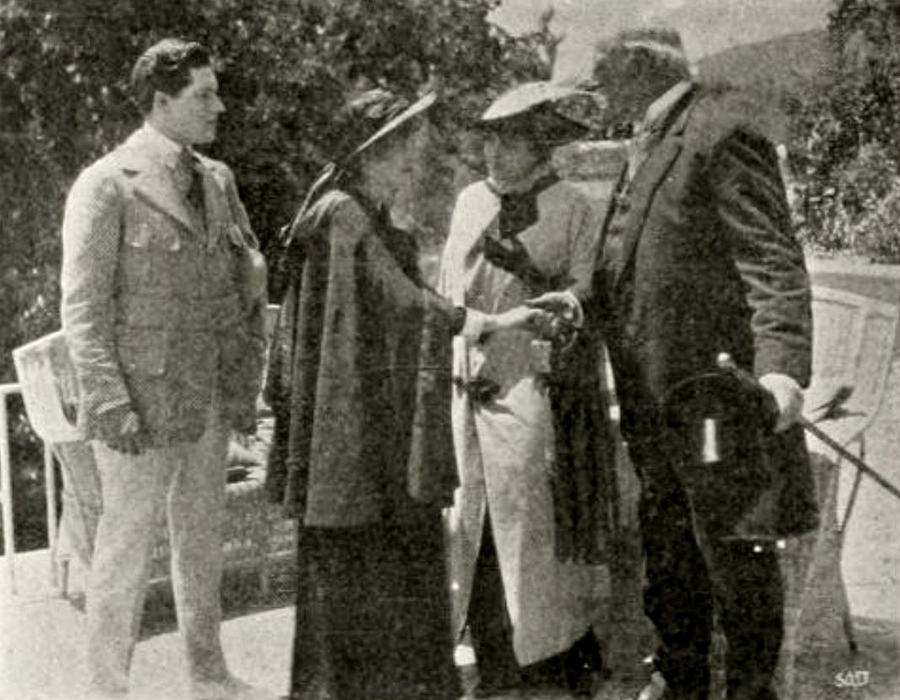
But Dodd is no fool, nor is he easily dissuaded. His obduracy, borne of deep love and a desire for honesty, compels him to uncover the truth. The film, through a series of dramatic revelations, allows the pieces of Diane’s past to fall into place for Dodd, revealing the Duke’s betrayal and the subsequent web of secrecy. This investigative aspect, though driven by romance, lends an almost detective-story quality to the latter half of the film, reminiscent of the intricate unraveling of mysteries in features like The Master Key. The confrontation, when it inevitably arrives, is charged with raw emotion: betrayal, honor, and a desperate need for justice. The clash between Dodd and the Duke is not merely a personal vendetta; it’s a symbolic battle between American forthrightness and European aristocratic duplicity, between the promise of a new future and the lingering shadows of the past.
The climax unfolds in a duel, a classic device of historical melodramas, where honor is defended and sins are atoned for with blood. Dodd kills the Duke of Cluny. This act, while violent, serves as a cathartic release for the narrative. The Duke's death, rather than being a mere punishment, is framed as an atonement, a final, irreversible payment for his youthful indiscretion. It’s a powerful, if tragic, resolution to a life that, despite its initial arrogance, had been touched by genuine remorse and a desire to protect the Duchess. The film doesn't shy away from the harsh realities of its world, where the consequences of actions, particularly those of the powerful, can be far-reaching and devastating. Yet, in this grim resolution, there is also the promise of liberation for Diane. The 'secret orchard' of her past, with its bitter fruits of betrayal and hidden shame, is finally cleared, making way for the possibility of a genuine, unburdened future. The narrative concludes with the 'reasonable conclusion' that Diane and Lieutenant Dodd will, in time, find happiness together. It’s a hopeful, if earned, ending, suggesting that true love and honesty can indeed triumph over the most entrenched of secrets and the most profound of sorrows.
What makes The Secret Orchard so compelling, even beyond the specifics of its plot, is its deep dive into timeless themes. It’s a profound exploration of innocence lost and, perhaps, rediscovered. The film meticulously charts Diane's journey from the cloistered naiveté of the convent to the harsh realities of the world, and then towards a hard-won maturity. The 'devil in her eyes' motif is particularly fascinating, serving as a constant reminder of inherited traits versus moral choices. Is Diane destined to repeat her mother’s life, or can she forge a different path? The film suggests a triumph of character, guided by the steadfast love of Dodd, over the perceived dictates of fate.
Moreover, the narrative offers a subtle yet potent critique of societal hypocrisy. The Parisian demimonde, though outwardly glamorous, is shown to be ultimately isolating and destructive, particularly for women like Cora May. The aristocratic world, while offering protection and status, harbors its own dark secrets and moral compromises, as exemplified by the Duke. The Duchess stands as a moral anchor, a testament to genuine compassion that transcends social boundaries. This interplay of social strata and moral integrity provides a rich backdrop for the personal dramas unfolding. It reminds us that even within the grand narratives of love and betrayal, there are quieter, yet equally significant, battles being fought against societal norms and expectations.
The performances, particularly one imagines those of Marjorie Daw as Diane and Carlyle Blackwell as the Duke, would have been crucial in conveying the nuanced emotional landscape of the film. Silent cinema relied heavily on expressive physicality and facial acting, and the dramatic arc of these characters demands nothing less than exceptional portrayal. The transformation of Diane from a naive girl to a woman burdened by experience, and the Duke’s journey from careless seducer to remorseful protector, require a depth that transcends mere pantomime. Similarly, Gertrude Kellar as Cora May would have needed to embody both the allure and the underlying tragedy of her character, making her brief but impactful presence resonate throughout the film.
In its grand scope and intimate emotional beats, The Secret Orchard delivers a powerful cinematic experience. It explores the enduring power of secrets, the redemptive potential of love, and the complex journey from innocence to wisdom. While undoubtedly a product of its time, with its heightened melodramatic sensibilities, its core themes remain universally resonant. It’s a compelling reminder of the narrative richness that defined early cinema, offering a window into a world where moral dilemmas were explored with unflinching earnestness and dramatic flair. Like the intricate plots of The Stranglers of Paris, which also delves into the hidden undercurrents of Parisian society, this film reveals the profound impact of concealed truths. Ultimately, The Secret Orchard isn't just a story; it's an immersive dive into the human condition, where choices made in the shadows ultimately dictate destinies bathed in light, or forever shrouded in regret.
IMDb 7.1
1928
Community
Log in to comment.