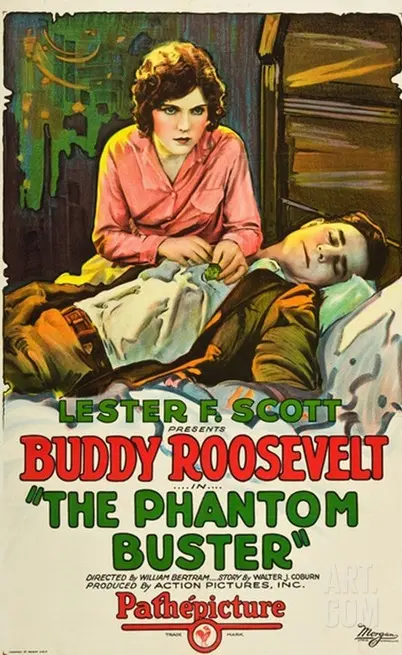
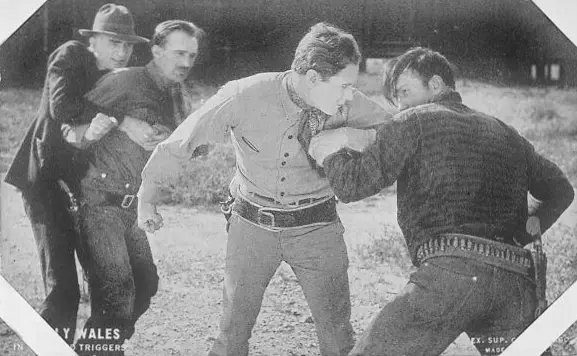
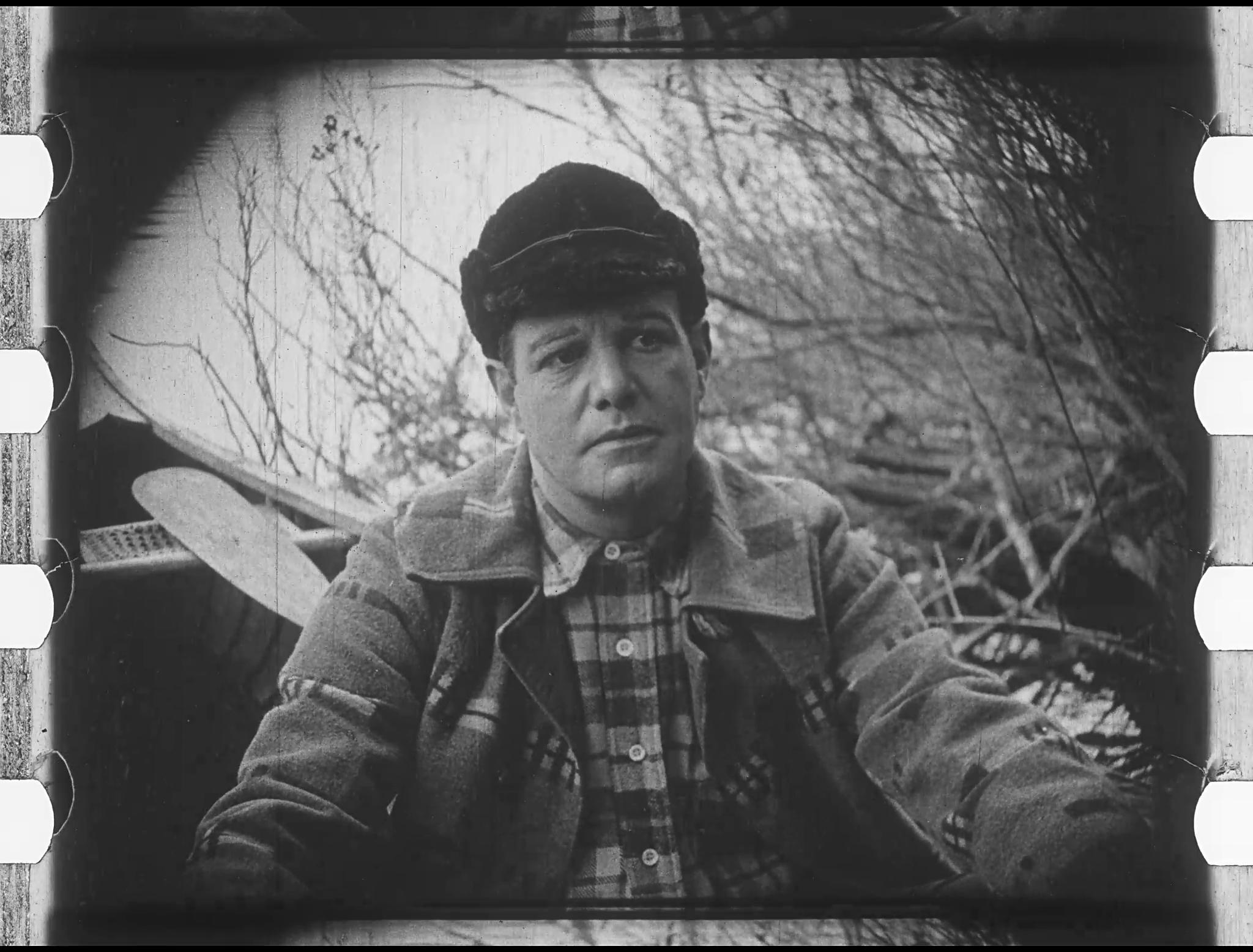
A girl thinks the individual known as the "Lone Rider" is her father and then later imagines it is her admirer, but both men prove innocent. She wins a reward by turning up the real bandit.
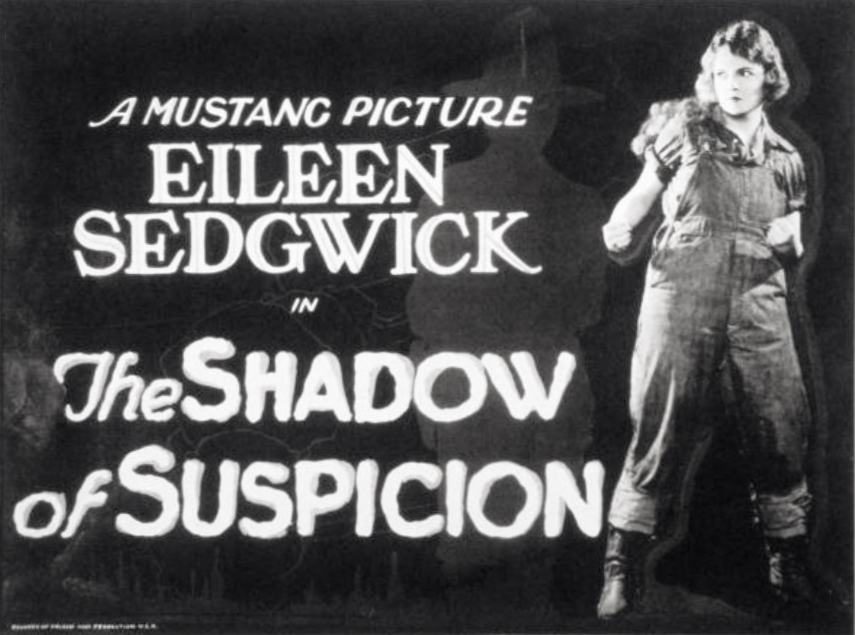
Picture the moment when celluloid itself seems to exhale: a lone rider crests a ridge, back-lit by a magnesium-flare moon, and the desert floor rolls out like crumpled parchment. In The Shadow of Suspicion (1923), that image arrives twice—first as wish-fulfilment, later as self-mockery—framing a story that knows how ...
Comparing the cinematic DNA and archive impact of two defining moments in cult history.
Edward A. Kull
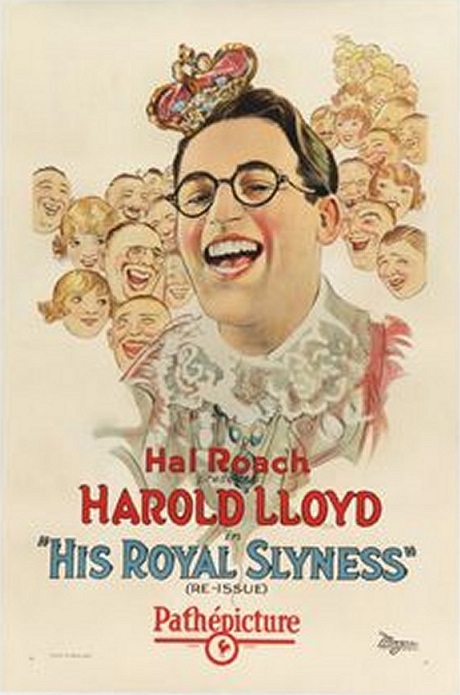
Hal Roach
Community
Log in to comment.
" Picture the moment when celluloid itself seems to exhale: a lone rider crests a ridge, back-lit by a magnesium-flare moon, and the desert floor rolls out like crumpled parchment. In The Shadow of Suspicion (1923), that image arrives twice—first as wish-fulfilment, later as self-mockery—framing a story that knows how flimsy our thirst for fathers and heroes can be. Director Scott Pembroke, seldom celebrated outside archival conclaves, shoots the opening reel like a daguerreotype trembling in t..."
George H. Plympton
United States