Summary
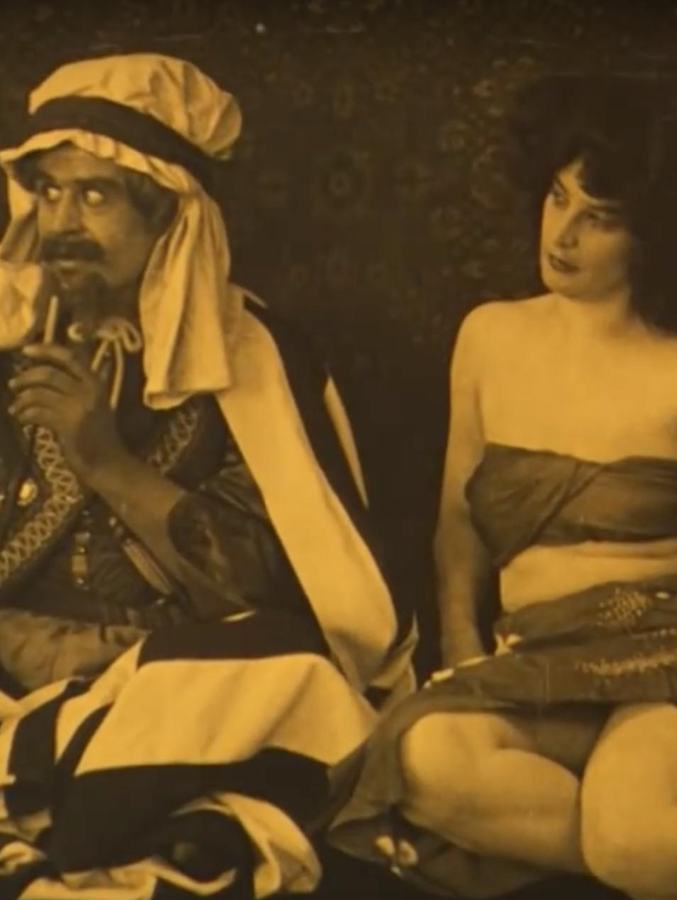
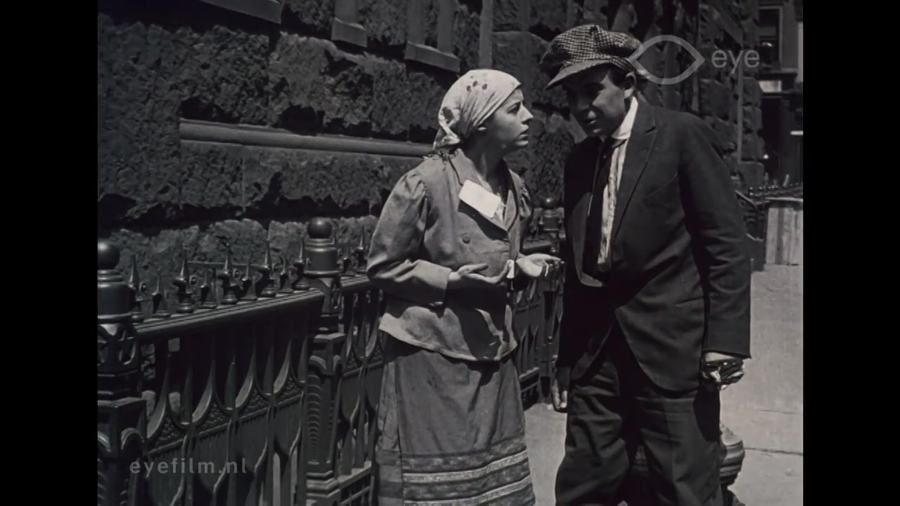
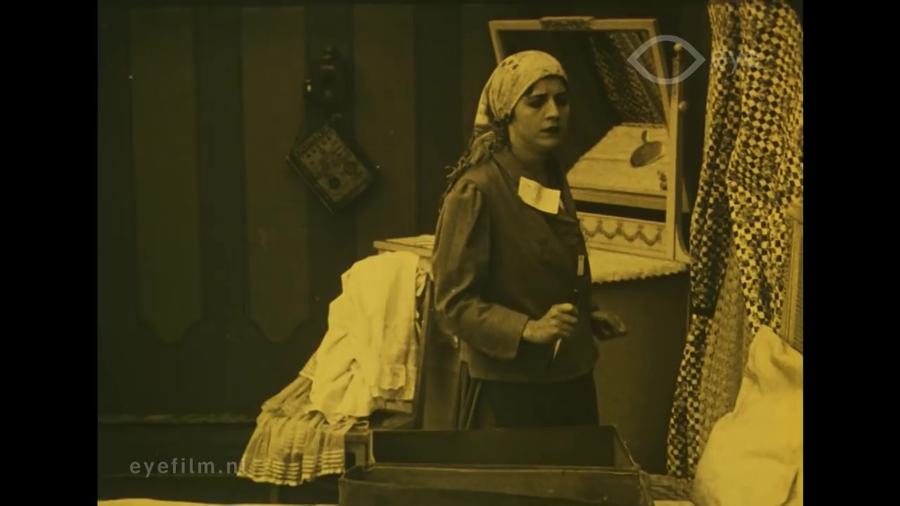
Ellis Island exhales a tremulous Maria Gramada into Manhattan’s sulphuric dusk; within minutes, the city’s subterranean flesh-trade—its perfumed promises, its ink-black threats—enfolds her like a velvet garrote. A phalanx of traffickers masquerading as solicitous kin hustle the Neapolitan seamstress through a labyrinth of cellar speakeasies and forged documents, but Jack Spaulding—aristocrat, flâneur, part-time moral insurgent—deciphers the cipher of her panic. One midnight chase across the Bowery’s gas-lit vertebrae later, Jack extricates Maria from a clandestine auction where women are bid upon in honeyed whispers. The rescue is no mere plot pivot; it is a hairline fracture in the edifice of Gilded-Hypocrisy, and the fissure widens once Maria, now sheltered inside the Spauldings’ marble-hearted mansion, becomes both beloved and bauble. At a moon-bitten Long Island soirée the guests are treated to a titillating tableau—“Zuleiia, the Odalisque in the Slave Mart”—a cabaret mirroring the very exploitation Jack believes he has annulled. The performance ignites Maria’s jealousy, Jack’s ex-lover’s nostalgia, and the household’s repressed appetites. Maria, stung by the spectacle of her life recycled as burlesque, contemplates a self-immolating vengeance: to sell herself back into the mart, this time as author of her own ruin. But the reel insists on grace: a last-minute confession, a sprint across breakwater planks, a final-reel embrace as dawn salts the Atlantic—redemption shot through with the aftertaste of salt and complicity.
Synopsis
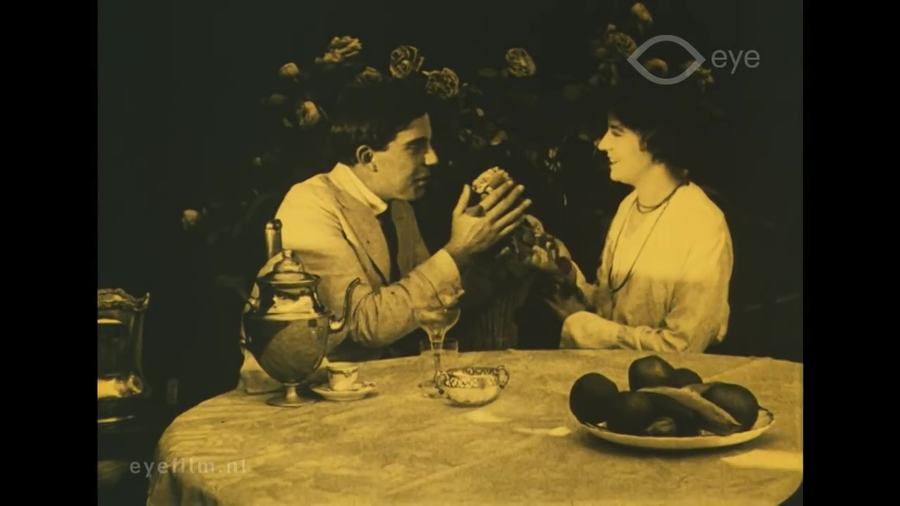
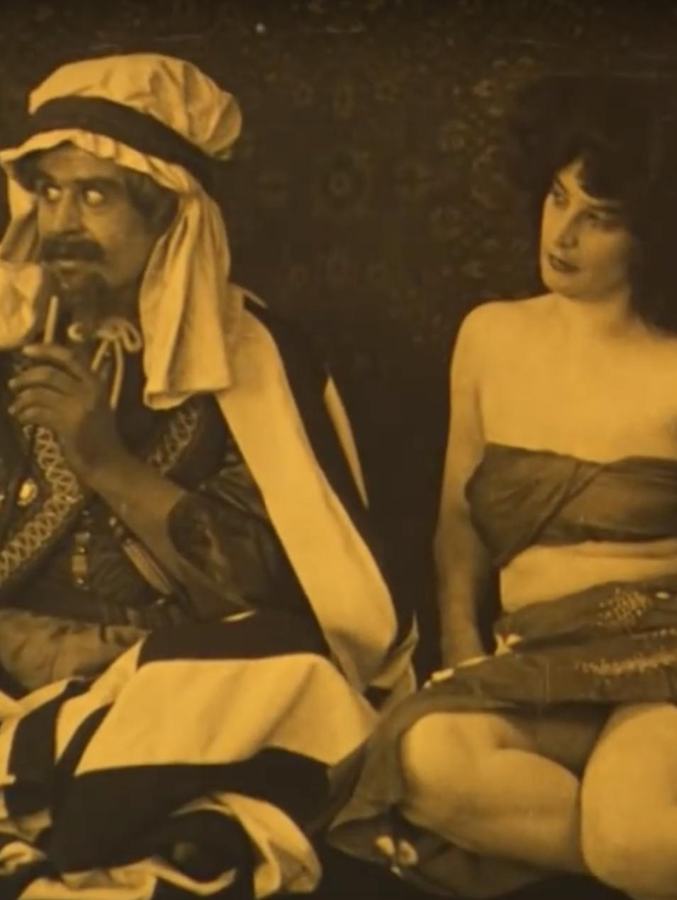
"Combining the elements of dramatic interest and stirring animation is the sensational film "The Slave Mart", a Kimberly Feature production in five reels, which opens at the Bijou theater tonight, While not risque, as a number of persons who were given a private exhibition of the picture indorsed (sic) it, nevertheless it deals with a worldwide theme which has set more than one mind pondering. Pregnant truths are unfolded, exposing conditions in metropolitan centers that will hardly bear the light of investigation. For the reason that youthful minds are so easily open to impressions the management has decided not to admit boy and girls under 16 to the performances. "The Slave Mart" deals with a beautiful Italian immigrant, Maria Gramada, who on her arrival at New York is lured by a gang of human vultures under the guist (sic) of friends of her aunt. Jack Spaulding, a society man, happily senses what is under way and intervenes to save Maria from a terrible fate. A friendship begun in such unusual circumstances ripens into love. Maria is admitted to the Spaulding home, and in the course of time goes as a guest of the family to their seaside home, where she meets a former sweetheart of Jack's. In the meantime in the course of an evening's entertainment they witness a cabaret feature "Zuleiia (sic), the Odalisque in the Slave Mart." The old affection between Jack and his former sweetheart takes on new zest under the flame of their companionship. Maria, her heart sorely wounded, in a moment of jealousy and despair, resolves on a revenge similar to Zuleika's, but fate intervenes and rounds out the love story in a happy way."
Review Excerpt
"
A nickelodeon scream that travels through a century of silence
The first jolt arrives before any intertitle: a handheld shot—audacious for 1915—plunges us into steerage murk where bodies sway like kelp. Cinematographer Ray Smallwood smudges the frame with kerosene lamplit ochres; the emulsion itself seems seasick. In this stew Marguerite Snow’s Maria is no ingénue but a palimpsest of arrivals—each immigrant woman overwritten by the last, each scar re-inscribed. Snow’s eyes perform a semaphore o..."