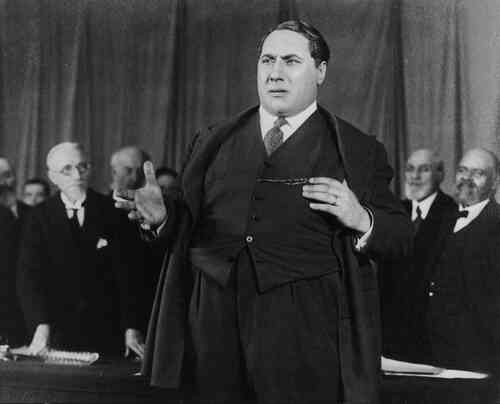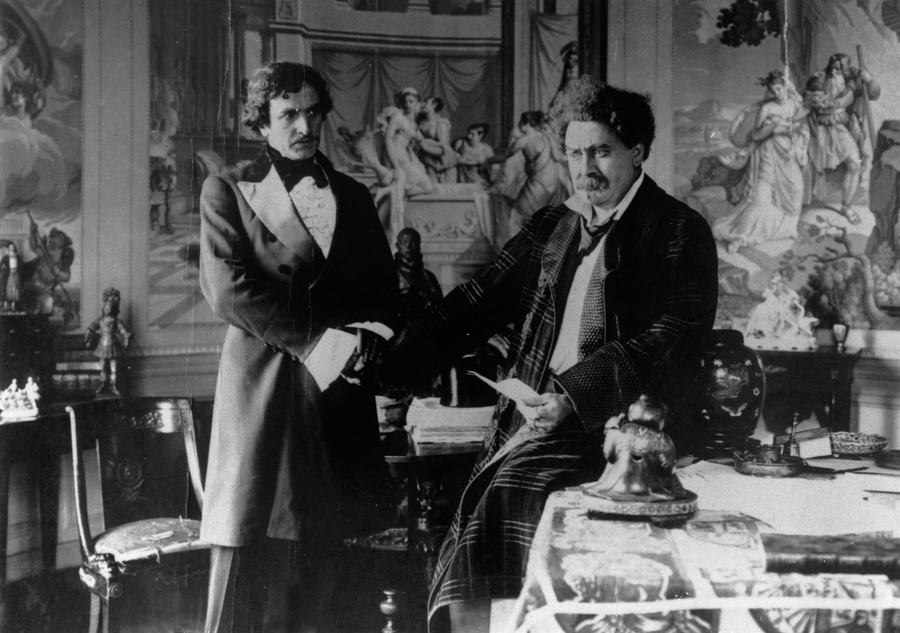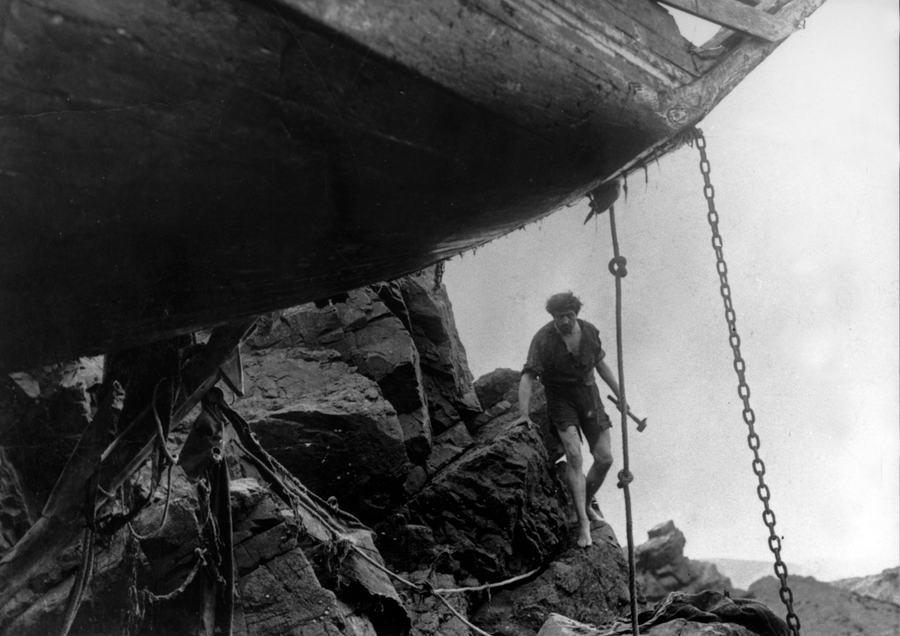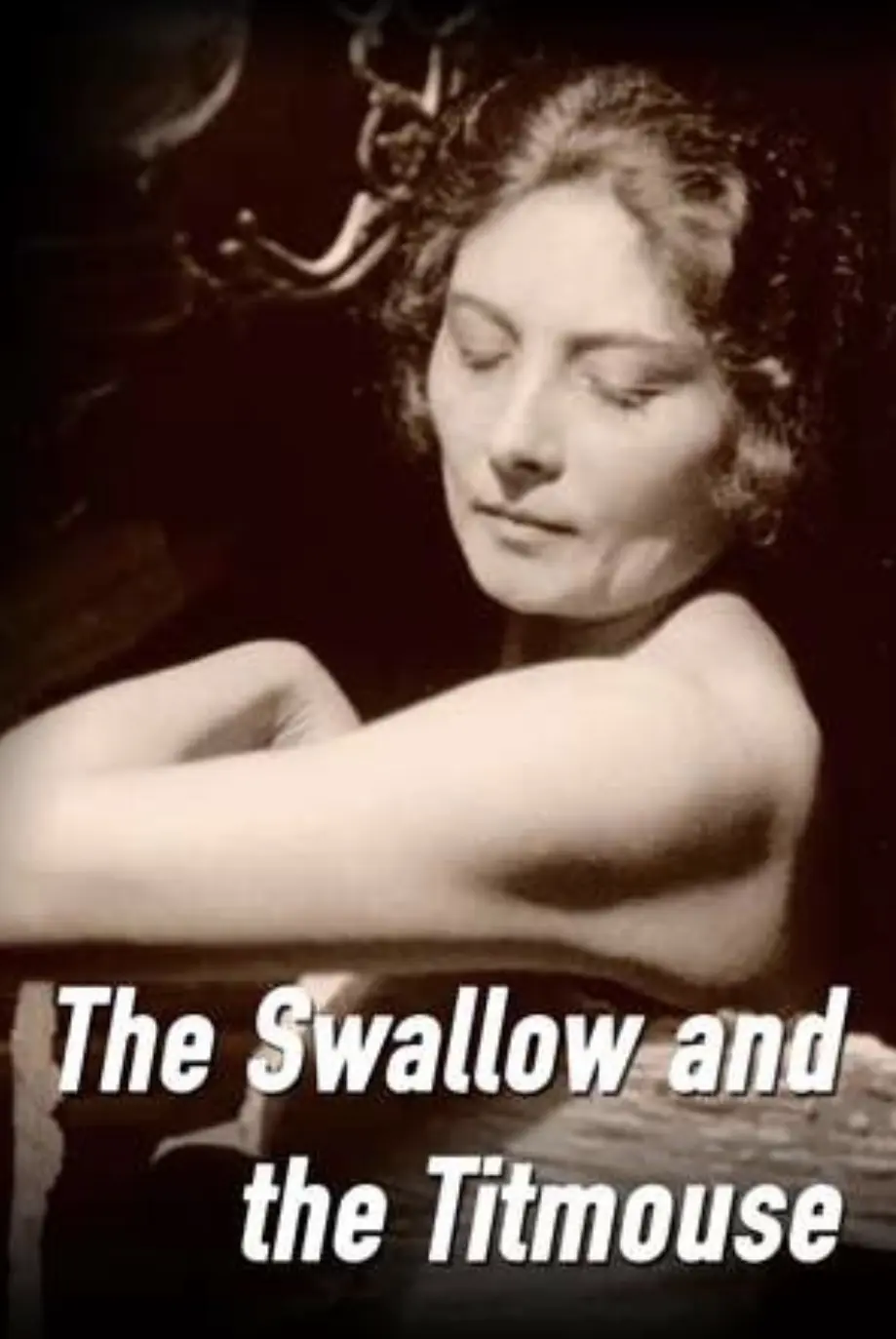
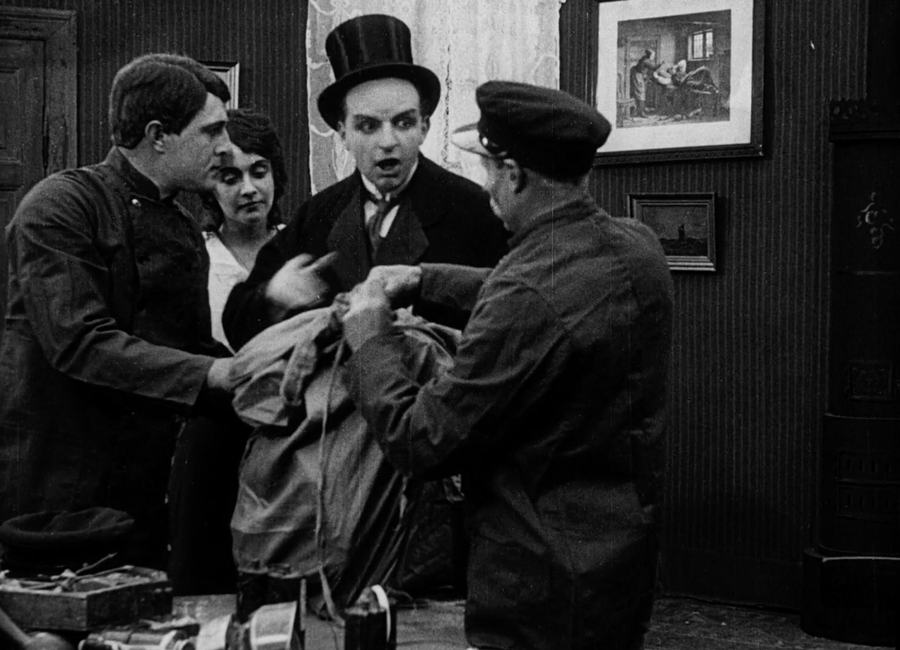
A bargeman, his wife and sister-in-law navigate the canals of northern Belgium in their two vessels, the eponymous "L'Hirondelle et la Mésange," taking the time to appreciate the sites and landscapes they encounter along their way. Like many in his trade, the mariner supplements his income by transporting occasional contraband.
The history of cinema is often a graveyard of forgotten reels, but few resurrections carry the ethereal weight of The Swallow and the Titmouse (L'Hirondelle et la Mésange). Filmed in 1920 by the visionary André Antoine but left as a mountain of unedited rushes for over sixty years until Henri Colpi meticulously assem...
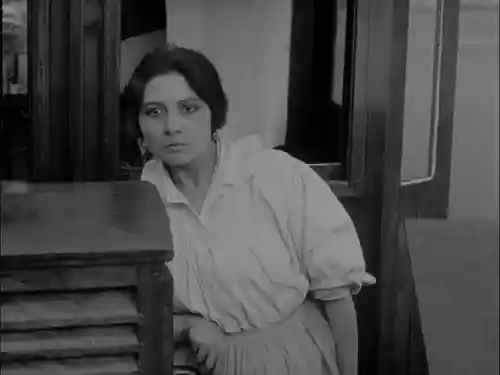
still_frame
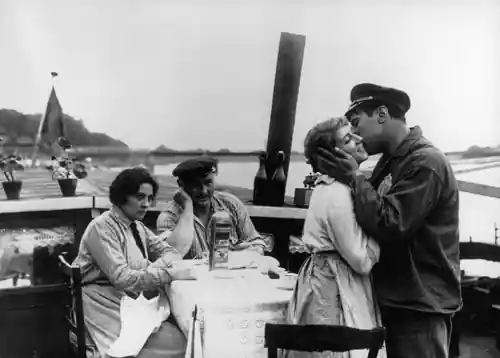
still_frame
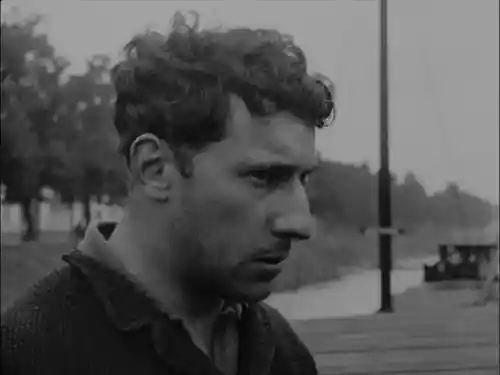
still_frame
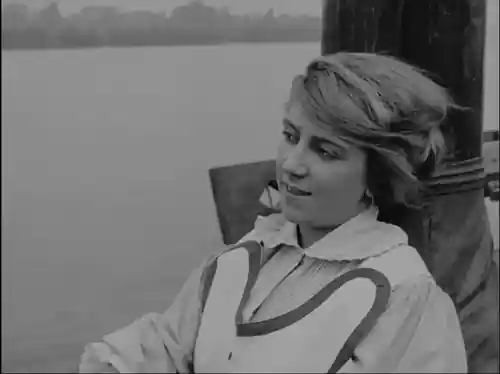
still_frame
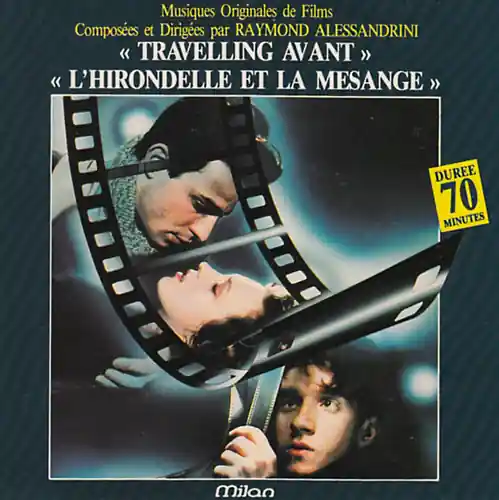
product
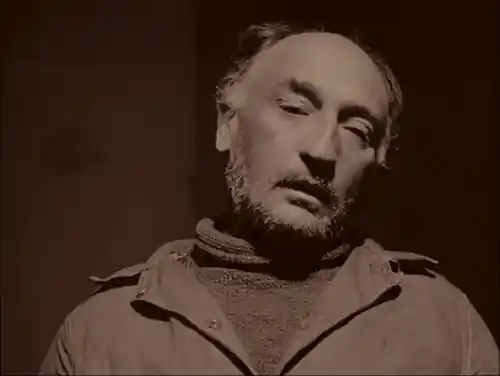
still_frame
product
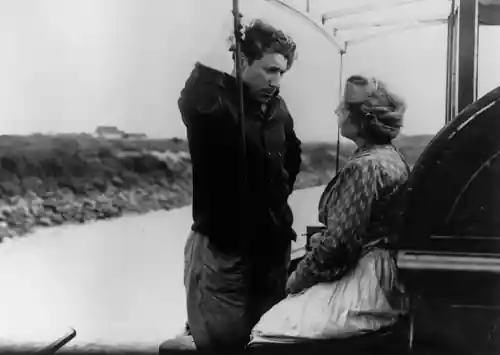
still_frame
Comparing the cinematic DNA and archive impact of two defining moments in cult history.
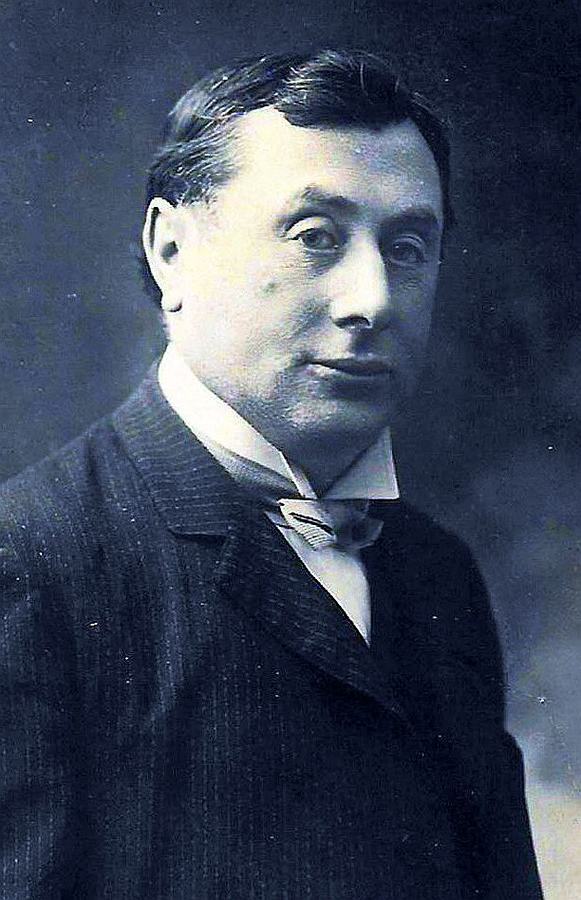
André Antoine
André Antoine
Community
Log in to comment.
" The history of cinema is often a graveyard of forgotten reels, but few resurrections carry the ethereal weight of The Swallow and the Titmouse (L'Hirondelle et la Mésange). Filmed in 1920 by the visionary André Antoine but left as a mountain of unedited rushes for over sixty years until Henri Colpi meticulously assembled it in 1983, this film is less a traditional narrative and more a sensory immersion into a vanished world. It is a work that breathes with the damp air of the Belgian canals, a..."
Henri Colpi, Gustave Grillet
France
Deep dive into the cult classic
Discover similar cinematic experiences
A Directorial Spotlight on André Antoine