DbcultAccessing Vault...
7/10
Senior Film Conservator
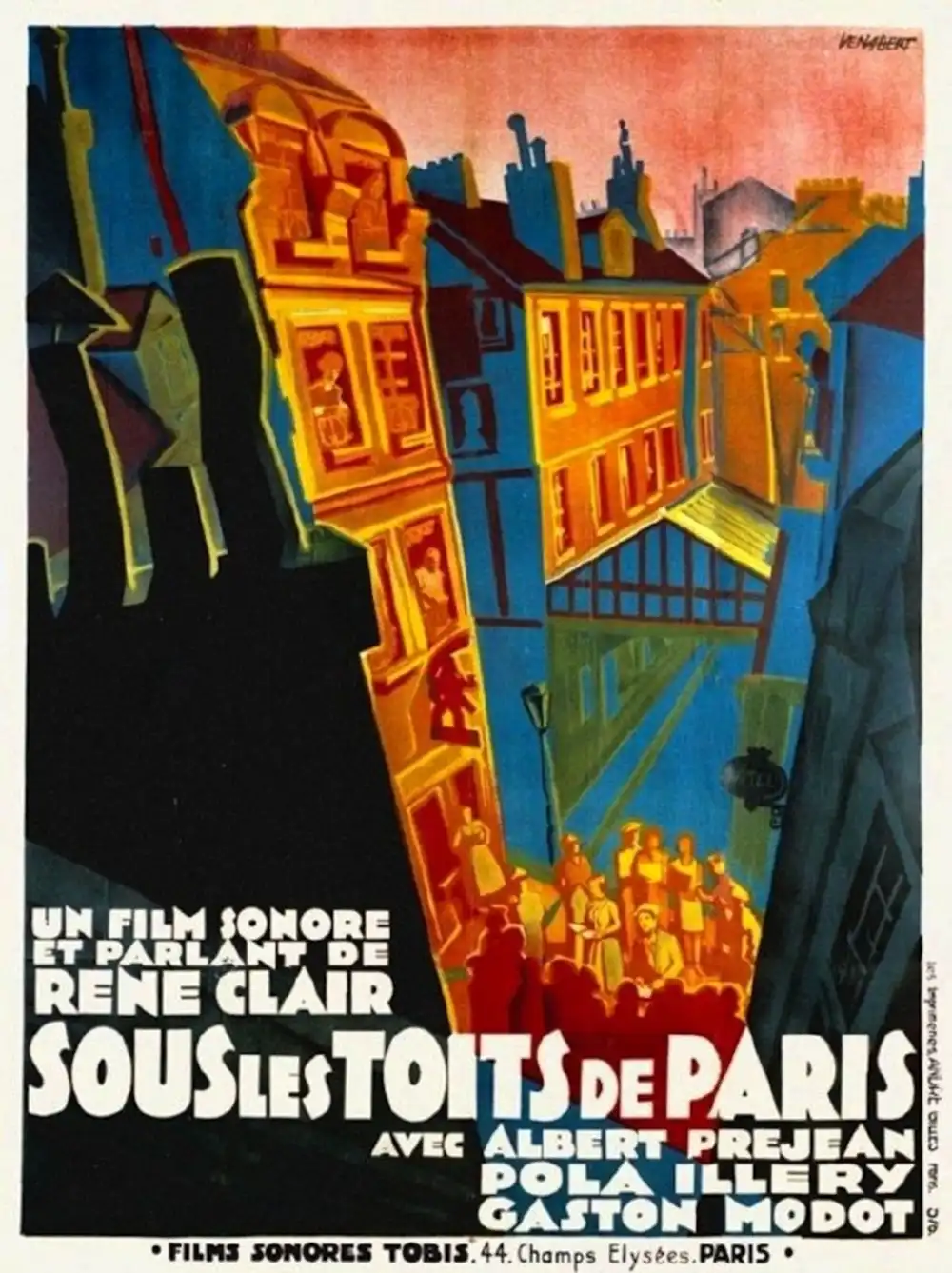
A definitive 7/10 rating for a film that redefined the boundaries of cult cinema. Under the Roofs of Paris remains a cornerstone of transgressive art.
Alright, so if you're into the really old stuff, like early talkies, then yeah, Under the Roofs of Paris is definitely worth a watch today. It’s for folks who appreciate film history, or just want a simple, human story without all the modern bells and whistles. If you need explosions or crystal-clear dialogue, you'll probably hate it. This one’s got a quiet charm, a real peek into 1930s cinema.
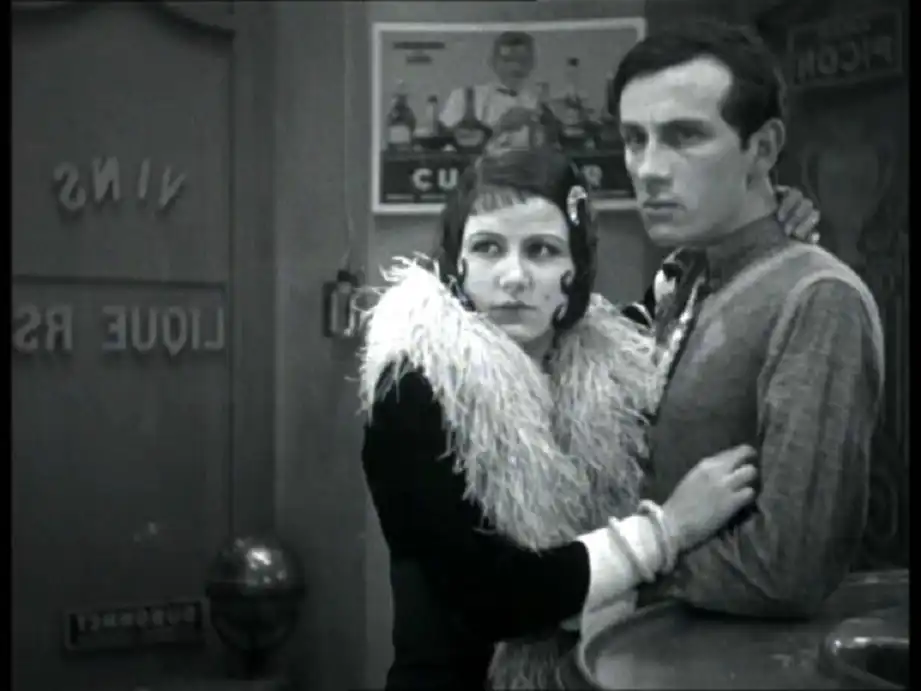
The sound, for one, it's just *there*. You can almost hear the microphones trying their best. Sometimes the music swells a bit oddly, or a line of dialogue feels a little too loud, then too soft. It's not a flaw, really, it’s just how it was back then, and it gives the whole thing this cool, authentic texture. You really feel the era.
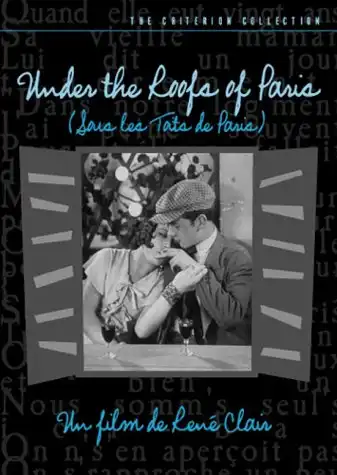
Albert, the street singer, he’s got this sweet, sort of clumsy way about him when he tries to woo Pola. They meet, and it’s all very innocent and Paris-y. Then things go sideways pretty fast when Albert gets picked up for a crime he didn’t commit. It feels a bit sudden, honestly, like the plot needed a quick jolt.
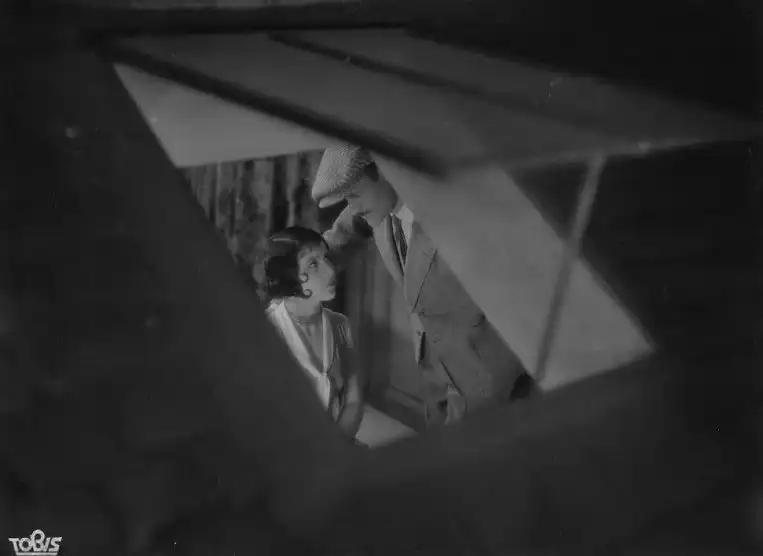
While Albert's locked up, his friend Louis, who’s been lurking, makes his move on Pola. You see it coming a mile away. Pola, bless her, seems genuinely torn. She’s not just a prop; you can see the conflict in her eyes, even with the limited expressions of the time. There's this shot of her looking out a window, just for a second, and it tells you so much.
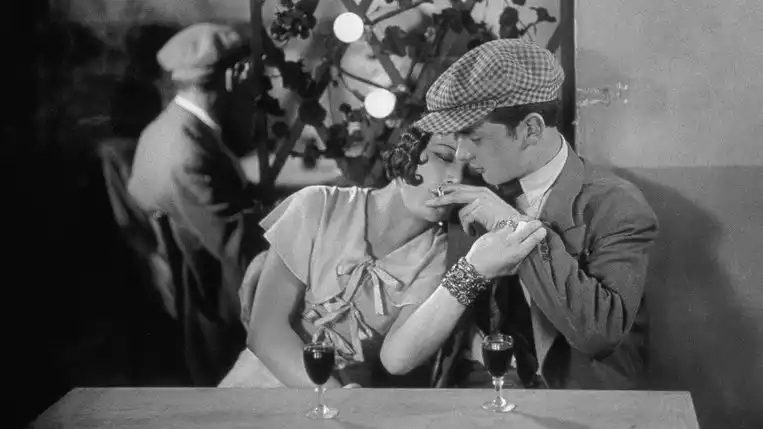
The film does this really neat thing with its atmosphere. There are these quick cuts to the rooftops, or shots of the bustling street below. It’s not flashy, but it gives you a strong sense of place. Like you’re really in a little corner of Paris, seeing these lives play out. 🌆
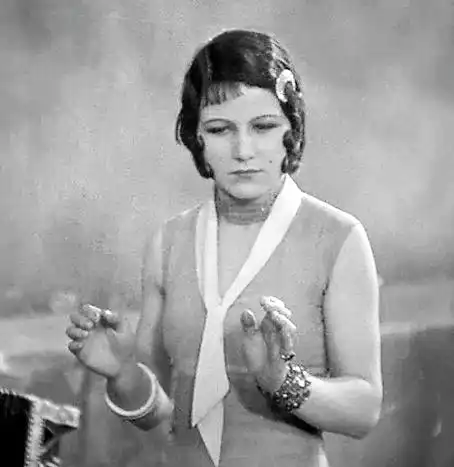
There's a scene where Albert is released from prison, and he just walks out onto the street. No big dramatic reunion. It’s understated, almost too much, but it makes the later interactions feel more genuine. Like, life just moves on, doesn't it?
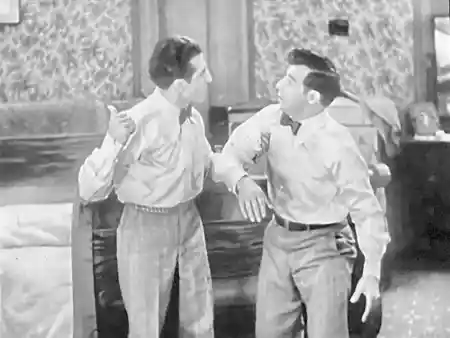
The street fights are… interesting. More like wrestling with awkward punches. You don't quite believe anyone's getting hurt, but the intent is there. It’s less about realism and more about showing the chaos of the moment. One guy gets clocked and just kinda stumbles. It made me smile a bit.
What really sticks with you is the quiet moments. A crowd gathered to listen to a street musician, for instance. It’s not essential to the plot, but it just *is*. It gives the film a lived-in feeling. You almost feel like you're there, leaning against a lamp post, just watching.
The resolution, when it comes, feels a little neat, perhaps a tad rushed. But it fits the simplicity of the story. It’s not trying to blow your mind with twists, just tell a small, human tale about love and loyalty. And for a movie from 1930, that's kinda amazing.
Did I notice anything odd?
IMDb 5.6
1931
Community
Log in to comment.