DbcultAccessing Vault...
Cult Review
Senior Film Conservator
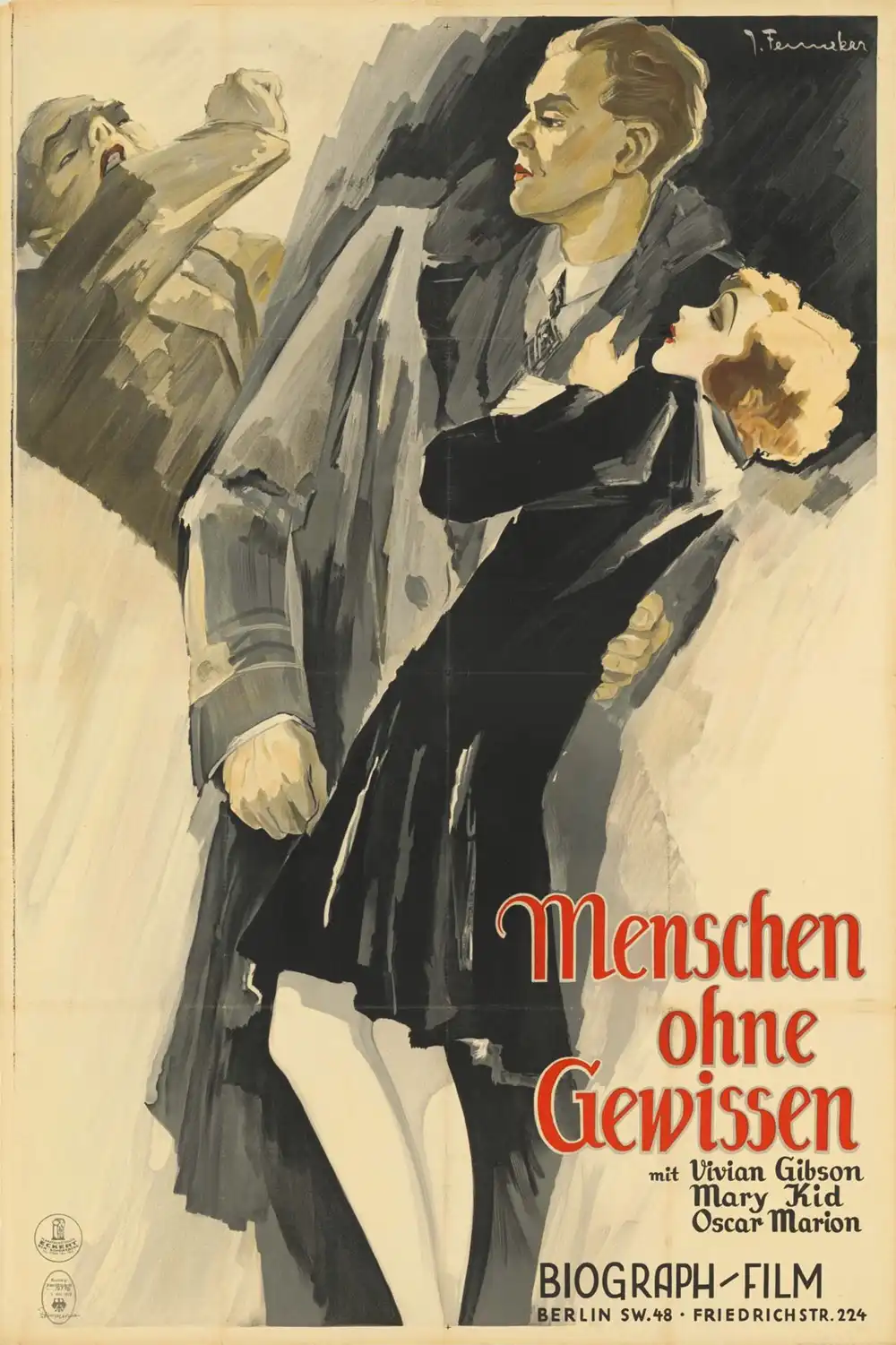
Okay, so Andere Frauen (that’s "Other Women" in German) from 1924? If you're looking for a quiet, gentle silent film, look away. But if you're up for some intense melodrama, the kind that just keeps piling on until it spills over, you might find it strangely compelling. It’s definitely not for a chill Sunday afternoon; this one gets pretty heavy. 😬
The film kicks off with Natalia, a wealthy Russian woman, marrying Alexei, a former Ukrainian diplomat. Their union feels less like love and more like a business arrangement, right from the start. Natalia's main goal is to climb the social ladder, it seems.
But here’s the rub: Natalia's heart isn’t really with Alexei. It’s with another woman, Vera. The movie doesn't shy away from showing their deep connection. Those long, lingering looks between Natalia and Vera? Quite something for 1924, if you catch my drift.
Then there’s Katja, Natalia's daughter, who develops feelings for her new stepfather, Alexei. Oh, boy. The whole household just becomes this tangled, uncomfortable mess of unspoken desires and societal expectations. You can almost feel the tension buzzing in the air.
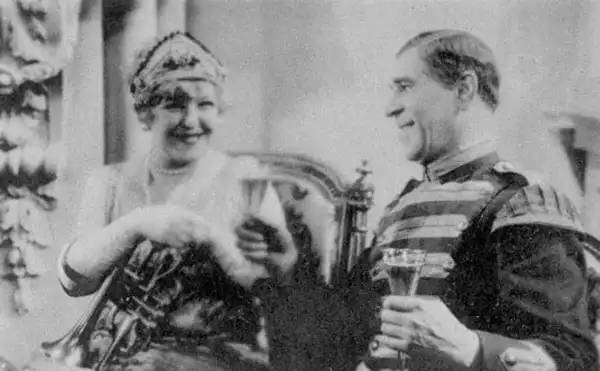
Oscar Marion, playing Alexei, does this neat thing where he always looks slightly confused, a bit resigned. Like he knows he’s walked into something way over his head. His quiet despair is almost palpable.
There's a scene early on where Natalia and Vera are sharing a secret moment, maybe just a hand squeeze or a quick glance. The camera just holds on it, not cutting away. It makes you lean in, trying to catch every little nuance.
Later, things escalate, as they always do in these kinds of stories. The plot synopsis does mention murder, which is a wild twist. And the film frames it as a "happy end" for the husband and daughter. I had to pause and wonder about that. 🤨
"Happy end" feels like such a strange way to describe what happens. It's less "happily ever after" and more "problem solved, violently." The abruptness of it all, how the story just snaps to that conclusion, leaves you a bit bewildered.
I remember this one shot of Katja’s face, after some kind of big family argument. It just holds for what feels like ages. She’s trying to process something, you can tell, but the silence makes it almost comical after a while. Like, "Okay, we get it, she's sad!"
The general vibe of the rich interiors, what we see of Natalia’s home, is very grand. Lots of dark wood and plush fabrics. It’s a visual counterpoint to the utterly chaotic emotions swirling around inside.
Honestly, Andere Frauen is a lot. It’s a silent film that really tries to push boundaries with its themes, especially for its time. It definitely does not play it safe. If you're a silent film fan who enjoys uncovering these forgotten, bold pieces of cinematic history, it's worth a look. Otherwise, you might just find it a bit too much. It's a snapshot of a particular era's storytelling, warts and all. 🎬
IMDb —
1932
Community
Log in to comment.