DbcultAccessing Vault...
5.7/10
Senior Film Conservator
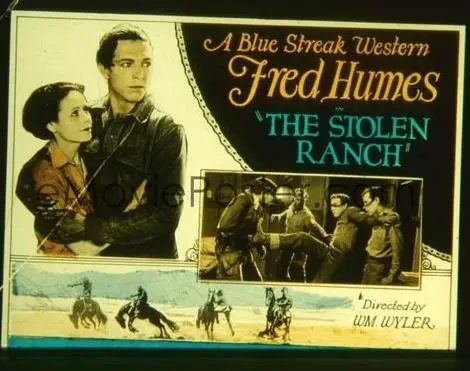
A definitive 5.7/10 rating for a film that redefined the boundaries of cult cinema. The Stolen Ranch remains a cornerstone of transgressive art.
Is The Stolen Ranch a film you should track down today? Short answer: Yes, but primarily as a historical curiosity regarding the evolution of the psychological Western. It is a film for those who appreciate the transition from silent-era tropes to modern character depth, but it is certainly not for viewers who demand the high-octane action of a contemporary blockbuster.
The film stands as a fascinating bridge between the simplistic morality of early silents and the complex interiority of the 1940s noir-Western. It deals with themes of trauma and displacement that feel surprisingly modern, even if the execution is occasionally hamstrung by the technical limitations of 1926.
1) This film works because it refuses to treat Frank’s shell shock as a minor plot point, instead centering the entire conflict on his inability to defend his own legacy.
2) This film fails because the secondary characters, particularly the antagonists, lack the nuance given to the protagonists, falling back on mustache-twirling villainy.
3) You should watch it if you are a student of cinema history interested in how the Great War reshaped American storytelling, or if you want to see a pre-superstardom Janet Gaynor.
The Stolen Ranch is, at its heart, a story about the invisible wounds of war. While many films of the mid-1920s were busy celebrating the 'Roaring Twenties,' Robert F. Hill and George H. Plympton chose to focus on the wreckage left behind. Frank’s condition—what we now recognize as PTSD—is handled with a bluntness that is startling for the era. He is not just sad; he is incapacitated. This is a far cry from the invincible heroes found in The Fear Fighter.
In one particularly effective scene, Frank flinches at the sound of a closing gate, his eyes darting with a frantic energy that suggests he is back in the trenches. It is a moment of raw vulnerability that grounds the film. It makes the subsequent loss of his ranch feel like a secondary tragedy; the primary loss is his sense of self. The film captures the alienation of the veteran in a way that feels more authentic than many of its contemporaries, such as The Battle of Hearts.
The contrast between the wide-open spaces of the American West and the cramped, claustrophobic internal state of the protagonist creates a unique tension. The ranch should be a place of healing, yet it becomes a site of further victimization. This thematic depth elevates the film above standard B-Western fare, even when the plot beats become predictable.
Slim Whitaker, often relegated to villainous or supporting roles, provides a surprisingly tender performance as Breezy. He is the film's moral and physical anchor. His relationship with Frank is the emotional core of the movie, portraying a brotherhood forged in fire that transcends the typical 'sidekick' dynamic. Breezy’s protective nature is not played for laughs; it is a heavy burden that Whitaker carries with a stoic grace.
When Breezy first encounters the squatters on the Wilcox Ranch, his reaction is not one of immediate violence, but of calculated assessment. He knows Frank cannot fight this battle, so he must fight it for both of them. This dynamic is much more compelling than the traditional romantic subplots found in films like She Loves Me, She Loves Me Not. It is a partnership born of necessity and deep-seated loyalty.
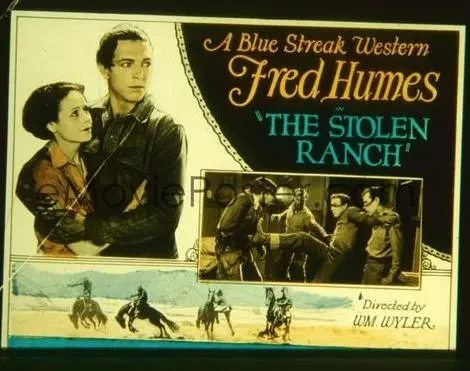
The supporting cast, including Janet Gaynor in an early role, provides solid support, though Gaynor’s presence is more of a glimpse into her future potential than a fully realized performance here. She brings a luminous quality to the screen that hints at the stardom she would achieve shortly after. Watching her here is like finding a rough diamond in a dusty Western setting.
The Stolen Ranch is worth watching if you have an interest in the history of the Western genre and its portrayal of social issues. It is a rare example of a 1920s film that attempts to grapple with the psychological aftermath of World War I within the framework of a cowboy movie. While the pacing can be sluggish, the central performances and the unique premise make it a rewarding experience for patient viewers.
However, if you are looking for a fast-paced action movie with modern sensibilities, you will likely find the film’s silent-era conventions—such as the static camera work and long title cards—to be a barrier. It requires a certain level of cinematic literacy to fully appreciate the nuances of what Hill was trying to achieve with the limited tools of the time.
The film’s biggest hurdle is its middle act. Once the central conflict of the stolen ranch is established, the narrative tends to spin its wheels. There are several sequences involving Breezy scouting the perimeter and interacting with the townspeople that could have been tightened. It lacks the propulsive energy seen in The Human Tornado.
The transition from the somber, war-torn introduction to the more traditional Western tropes of land disputes and gunfights feels a bit jarring. At times, it feels like two different movies stitched together. The first movie is a delicate character study of a broken man; the second is a standard melodrama about property rights. When these two elements clash, the film loses some of its emotional potency.
Despite this, the cinematography by the uncredited cameraman manages to capture the isolation of the ranch with a stark beauty. The use of natural light in the outdoor scenes provides a sense of realism that offsets the more theatrical indoor sets. It’s a visually competent film, even if it doesn't reach the experimental heights of European cinema from the same year, like Der Millionenonkel.
Pros:
Cons:
The Stolen Ranch is a bold experiment that doesn't always stick the landing. It is a film that wants to be both a serious drama and a crowd-pleasing Western, and the tension between those two goals is evident throughout. It works. But it’s flawed. The depiction of Frank's trauma is the film's greatest asset, providing a level of soulfulness that is missing from many other films of the era, such as Lucky Stars or Just Off Broadway.
While it may not be a forgotten masterpiece, it is a significant piece of the puzzle in understanding how American cinema began to process the trauma of the early 20th century. It is a somber, often quiet film that rewards those who look past its dusty exterior. If you can forgive the formulaic villains and the occasional narrative lull, you will find a story with a surprising amount of heart and a very real sense of pain. It is a minor classic that deserves a spot in the conversation about the evolution of the Western hero.
"A rare silent-era glimpse into the fractured psyche of the returning soldier, wrapped in the familiar blankets of a Western land dispute."
IMDb —
1914
Community
Log in to comment.