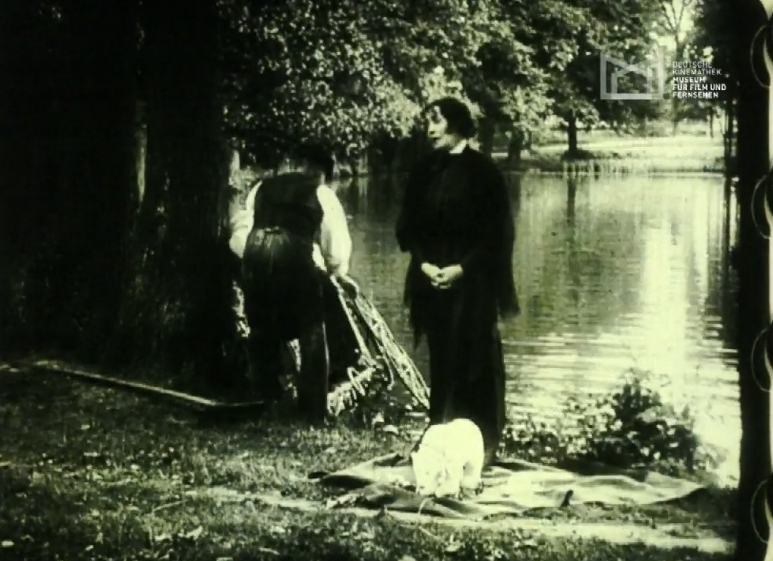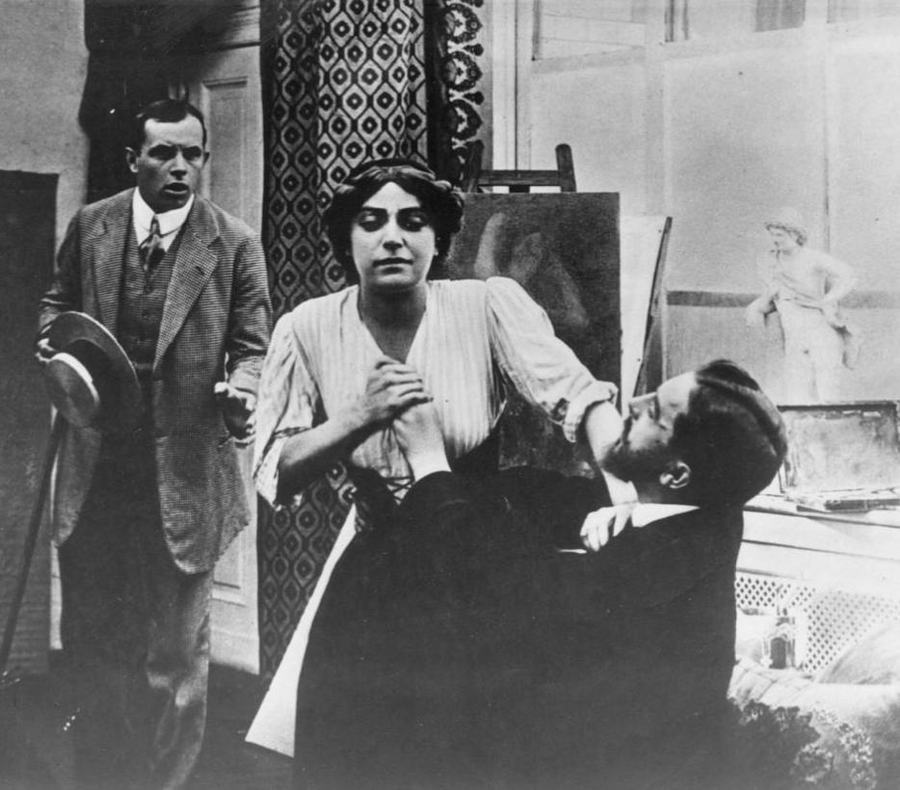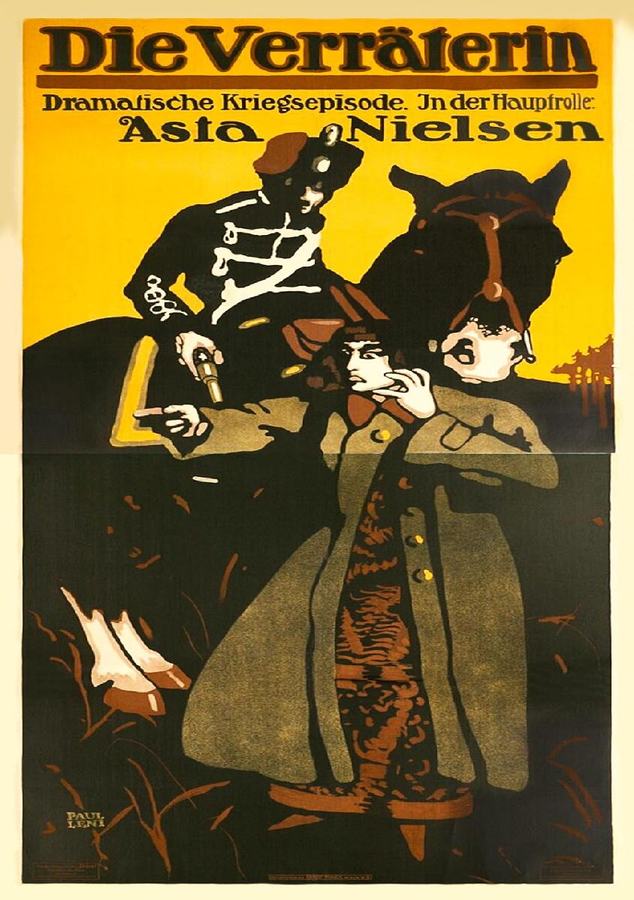
A woman betrays the regiment location in which the officer she is interested in is assigned because he despises her, only to regret it when he is caught and try to free him..
Erich Zeiske
Germany
The year is 1911. Cinema still smells of fresh celluloid and coal-iron projectors when Danish firebrand Asta Nielsen detonates a hand-grenade of a performance in The Traitress—a 43-minute chamber piece that feels, even now, like someone drilled a hole straight through the ribcage of Victorian melodrama and let moderni...

still_frame


Comparing the cinematic DNA and archive impact of two defining moments in cult history.
Urban Gad

Urban Gad
Community
Log in to comment.
" The year is 1911. Cinema still smells of fresh celluloid and coal-iron projectors when Danish firebrand Asta Nielsen detonates a hand-grenade of a performance in The Traitress—a 43-minute chamber piece that feels, even now, like someone drilled a hole straight through the ribcage of Victorian melodrama and let modernity seep in. A Plot That Bites Its Own Tail Forget the polite triangle of stagey love. Erich Zeiske’s script is a scalpel: a woman’s desire is rejected, so she atomises an entire r..."


Deep dive into the cult classic
Discover similar cinematic experiences
A Directorial Spotlight on Urban Gad