DbcultAccessing Vault...
Cult Review
Senior Film Conservator
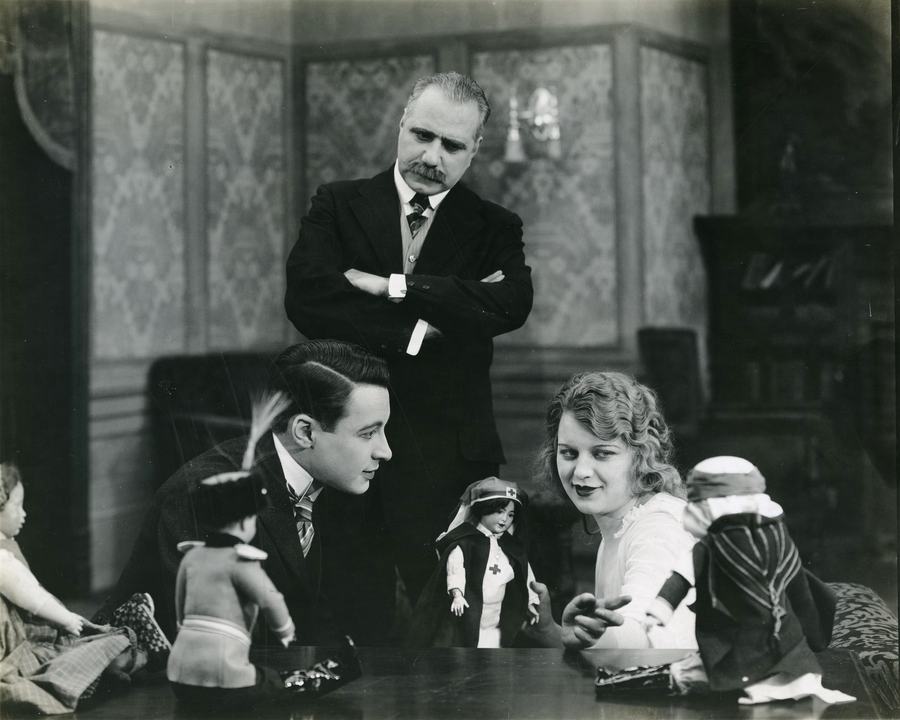
In the pantheon of 1917 cinema, few artifacts possess the peculiar, hallucinogenic charm of The Dream Doll. Produced during the twilight of the Essanay Film Manufacturing Company's dominance, this film represents a fascinating intersection between the Victorian obsession with mechanical life and the burgeoning surrealism that would later define the avant-garde. While many contemporary features like The Lamb focused on the athleticism of their stars, The Dream Doll pivots toward an ontological exploration of the self, albeit wrapped in the guise of a whimsical fantasy. The premise—a chemist whose very name, A. Knutt, signals a departure from the rational—serves as a gateway into a world where the boundaries between the human and the manufactured are perilously thin.
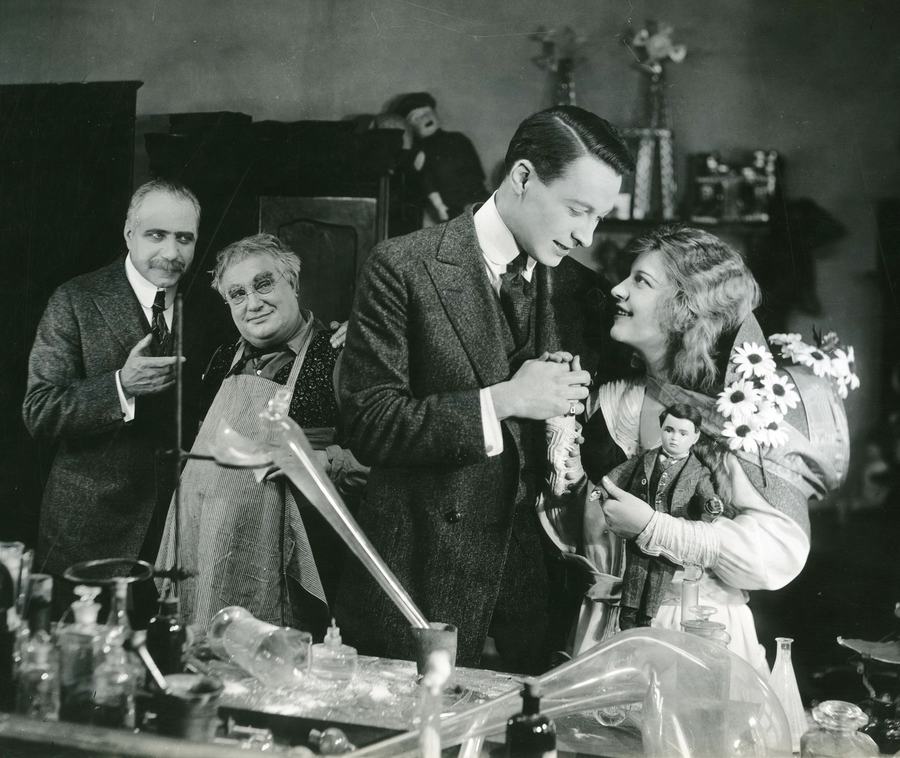
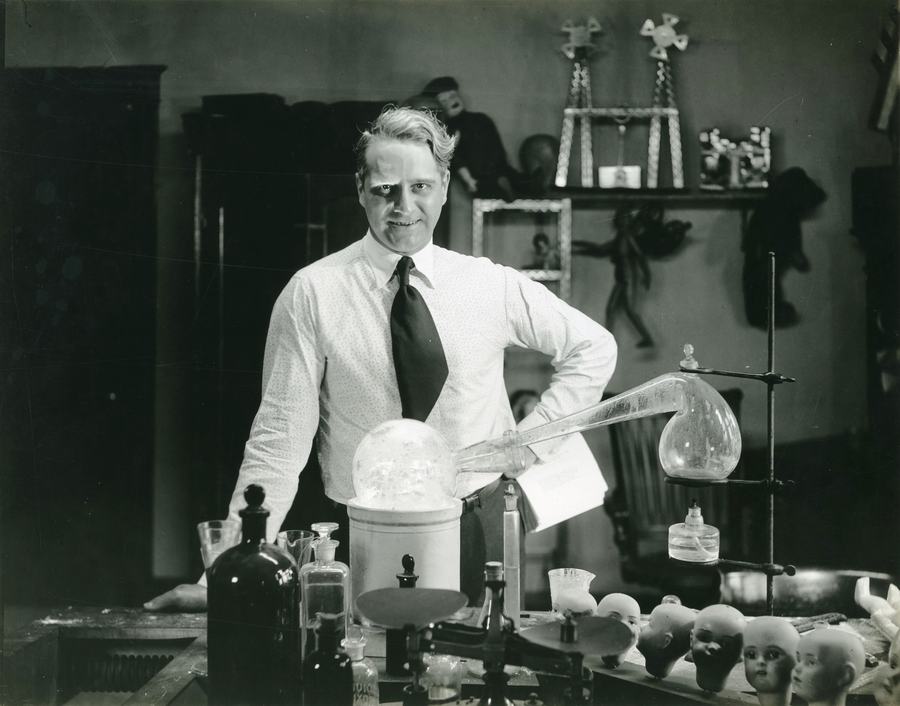
Robert Bolder portrays the "cracked-brain" chemist with a frenetic energy that borders on the unsettling. In an era where the mad scientist trope was still being codified, Bolder’s Knutt is less a villain and more a vessel for the era’s anxieties regarding scientific overreach. The factory setting is not merely a backdrop but a character in itself—a sprawling, soot-stained leviathan of industry where magic is brewed in test tubes. This juxtaposition of cold industrialism and warm, vibrant fantasy creates a cognitive dissonance that keeps the viewer perpetually off-balance. It is a far cry from the more grounded dramas of the period, such as The White Scar, opting instead for a narrative fluidity that feels surprisingly modern.
Marguerite Clayton, playing Ruby, delivers a performance that requires a delicate calibration of physicality. When she is overcome by the fumes of the elixir, her transition from a vibrant heiress to a static, doll-like entity is handled with a grace that echoes the theatrical traditions of the 19th century. The sheer audacity of the plot—having an animated doll use the elixir on a human—reverses the Pygmalion myth in a way that feels both playful and profoundly disturbing. Unlike the romanticized suffering found in Merely Mary Ann, Clayton’s predicament is one of total erasure. She becomes an object in her father's own kingdom, a literalization of the commodification of the female form in the early 20th century.
The sequence involving the doll Justice of the Peace is perhaps the film's most overtly satirical moment. By bringing a figure of legal authority to life via a chemical catalyst, the film mocks the rigidity of social institutions. The dolls do not just exist; they mimic the bourgeois aspirations of their creators, speeding off in a miniature automobile to a honeymoon that exists on the periphery of human perception. This sub-narrative of doll domesticity provides a levity that balances the darker undertones of the film's opening. It is a sequence that shares a spiritual kinship with the escapades found in Captivating Mary Carstairs, yet it remains anchored in the uncanny.
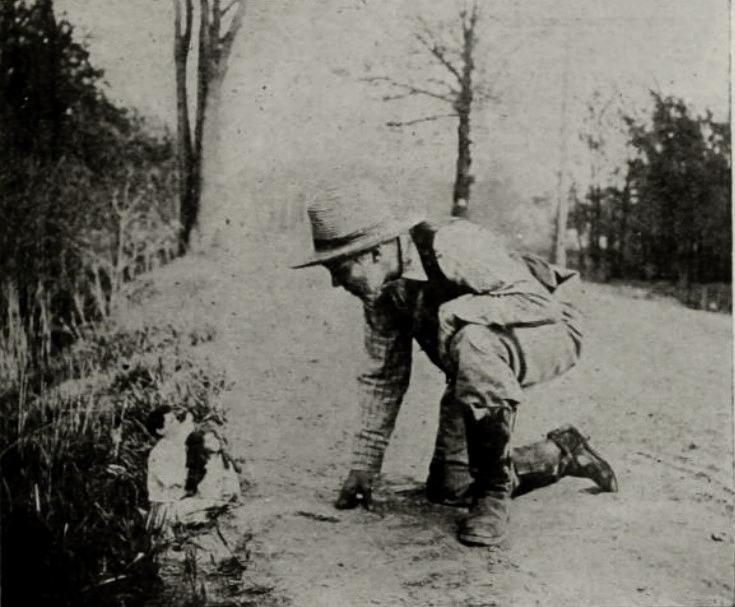
One cannot discuss The Dream Doll without mentioning Sherlock, the watchdog. The choice to house the doll-couple in a kennel is a masterstroke of visual storytelling. It suggests a hierarchy of nature where the animal is more attuned to the supernatural than the human characters who are frantically searching for Ruby. Sherlock’s acceptance of the dolls—and his role as their provider—adds a layer of folkloric charm to the proceedings. While Der Bär von Baskerville utilized canines for suspense, The Dream Doll uses the dog as a bridge between the mundane and the magical, a silent witness to the chemist's folly.
Just as the film threatens to dissolve into pure whimsey, it is jerked back to earth by the subplot of the striking workingmen. This element of proletarian unrest introduces a socio-political dimension that is often overlooked in silent fantasies. The bomb set to destroy the factory represents the very real tensions of the 1917 labor landscape. This intrusion of the 'real' into the 'dream' is a sophisticated narrative device. It suggests that even the most elaborate fantasies cannot fully escape the pressures of the material world. The looming threat of the explosion provides a ticking-clock tension that rivals the dramatic weight of The People vs. John Doe.
"Is the dream a sanctuary or a prison? The Dream Doll posits that the porcelain life is a fragile one, easily shattered by the violent tremors of an awakening world."
The eventual revelation that the entire odyssey was merely Ruby's dream, inspired by the chemist’s ravings, is a trope that often frustrates modern audiences. However, within the context of 1917, this ending served a dual purpose. Firstly, it allowed the film to bypass the logical fallacies of its own premise, and secondly, it acted as a psychological safety valve. By framing the transformation as a dream, the film explores the subconscious fears of the era—fear of technology, fear of losing one's humanity, and fear of industrial collapse—without necessitating a permanent shift in the status quo. It is a narrative resolution similar to the thematic veils lifted in The Lifted Veil.
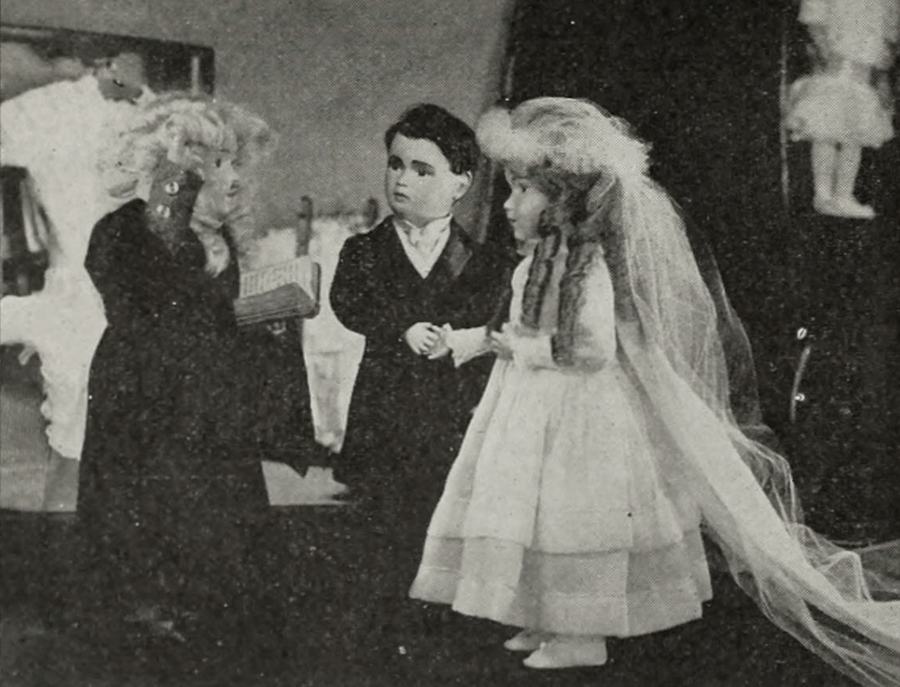
The cinematography in The Dream Doll, though limited by the technology of the time, exhibits a surprising level of intentionality. The use of scale to differentiate between the human world and the doll world is handled with ingenious practical effects. The miniature automobile and the kennel set pieces are triumphs of early production design. While it may lack the epic scale of Du Barry or the atmospheric dread of Judex, it carves out a niche for itself through sheer imaginative vigor. The pacing is relentless, moving from the laboratory to the honeymoon with a speed that mirrors the chemist's own manic state.
When compared to its contemporaries, The Dream Doll stands as a unique outlier. It lacks the overt militarism of Mit Herz und Hand fürs Vaterland or the traditional heroism of The Bugle Call. Instead, it offers a more introspective, albeit chaotic, experience. It shares some DNA with the revenge motifs of The Fool's Revenge, particularly in how the chemist's actions inadvertently punish the Toy King's family. Yet, the film's heart remains in the realm of the fantastic. It is a cinematic curiosity that rewards the patient viewer with a glimpse into the early 20th-century's collective unconscious.
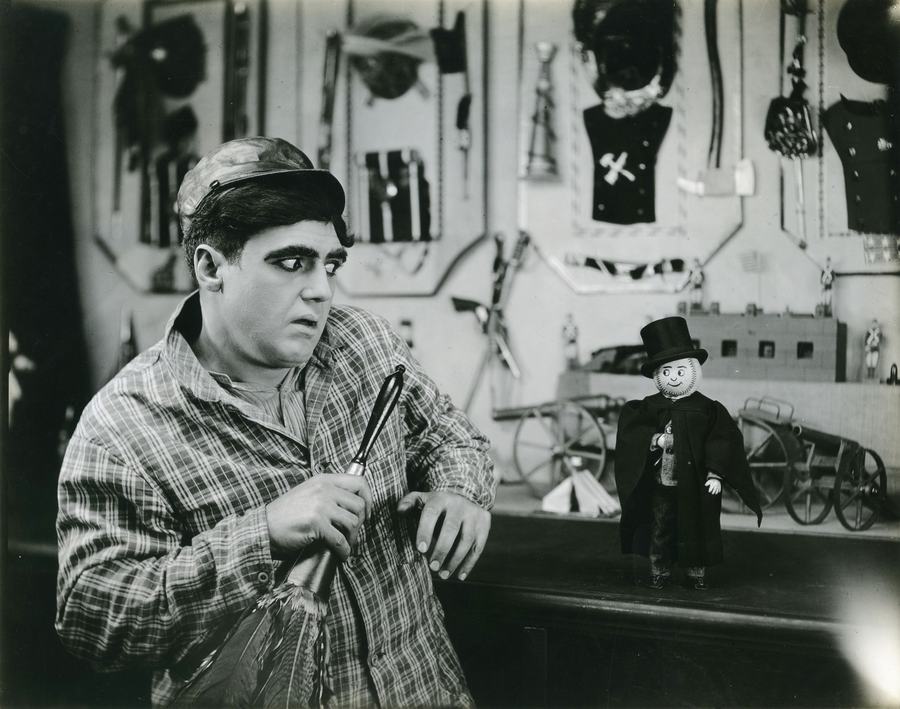
The cast, including the young Rod La Rocque, provides a solid foundation for the film's more eccentric elements. La Rocque, who would later become a major star, shows flashes of the charisma that would define his career. His presence as the fiancé adds a necessary stake to the search for Ruby, grounding the fantasy in a relatable emotional conflict. This balance of the human and the absurd is what prevents the film from becoming a mere gimmick, unlike some of the more derivative works like Jim Grimsby's Boy.
Ultimately, The Dream Doll is a testament to the experimental spirit of early cinema. It is a film that dares to be incoherent, embracing the logic of a dream to explore themes of transformation and industrial anxiety. While the "it was all a dream" ending may feel like a vestigial limb of a simpler narrative era, the journey to that conclusion is filled with moments of genuine wonder and bizarre creativity. It is a film that deserves to be revisited not just as a historical footnote, but as a precursor to the surrealist movement that would soon take the world by storm. For those who appreciate the strange, the uncanny, and the beautifully broken, this 1917 gem is an essential watch.
IMDb 6.7
1934
Community
Log in to comment.