Summary
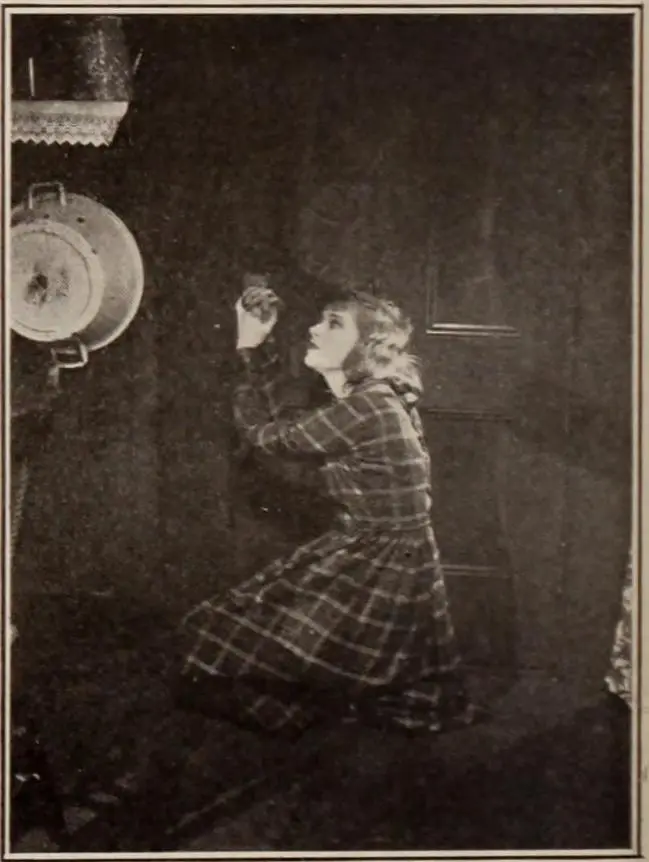
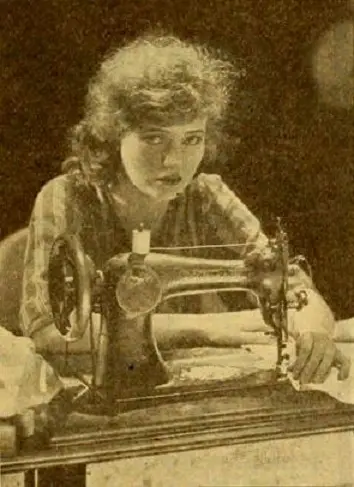
In the chiaroscuro of a city that never forgives, Mary Boyne—needle-pricked muse of the sweatshop—stitches shirts for four dollars a week, each thread a ligature binding her to a past orchestrated by the rapacious Kinsolving patriarch. Into this crucible of resentment drifts Peter Kenwitz, a mathematician whose heart is an abacus of despair, tallying probabilities of love that asymptotically approach zero. Yet the true variable arrives in the obsidian form of Dan Kinsolving, heir to the fortune forged from her family’s ruin, a man who wears culpability like a coronation robe. Dan covets the vitriol Mary hoards for his surname, convinced he can transmute scorn into devotion by treating affection as an algebra where hate is merely a negative coefficient waiting to be inverted. He christens her wrath “X,” the tantalizing unknown quantity, and sets about solving for it with the patience of a cartographer mapping hell. Along gas-lit streets and in tenement parlors that smell of boiled cotton and extinguished hope, the triangle tightens: Mary’s seamstress fingers twitch between scissors and salvation; Peter’s chalkboard formulas dissolve into salt-stained elegies; Dan’s smile widens like a crack in porcelain, each grin a wager that love’s integral can be computed across scars. The film’s calculus reaches a shivering limit when Mary, confronted by the specters of both men in a single frost-rimed dusk, must decide whether forgiveness is a convergence or merely an asymptote—leaving the audience suspended in a moment where the solution to X is neither victory nor defeat but the vertiginous recognition that some equations are meant to remain unsolved.
Synopsis
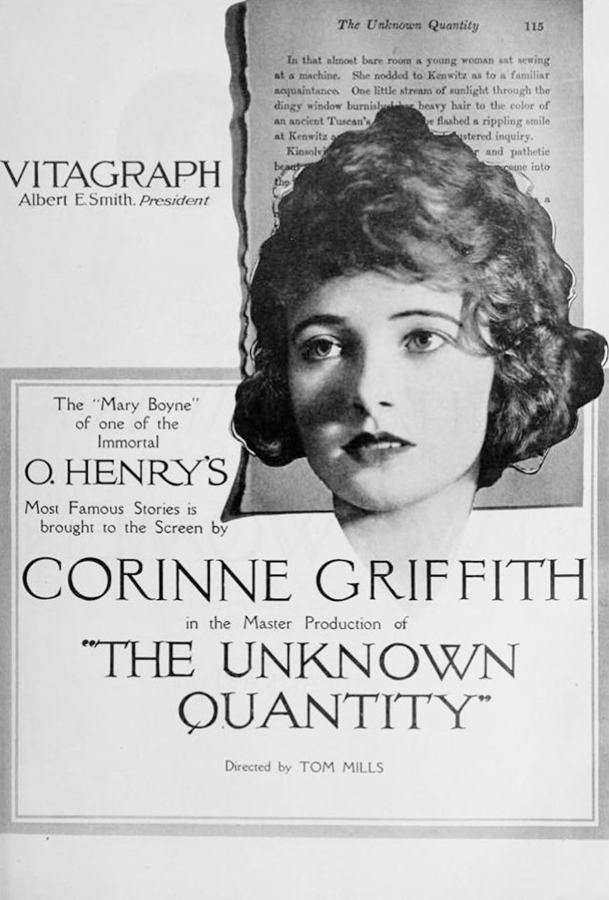
Mary Boyne, who made shirts at four dollars a week, had no place for love in her life - only despair and hate for the son of the man who had plunged her family into deepest distress. Peter Kenwitz loved Mary, but because he was a mathematician and a pessimist by trade, his love was as hopeless as her chance for happiness. Dan Kinsolving was the son of the man who ruined Mary's family. He loved Mary and gloried in her hatred for him. He set about moving the problem of turning her hate into love. He let X represent The UNKNOWN QUANTITY in life's greatest problem. Did he win?
Review Excerpt
"
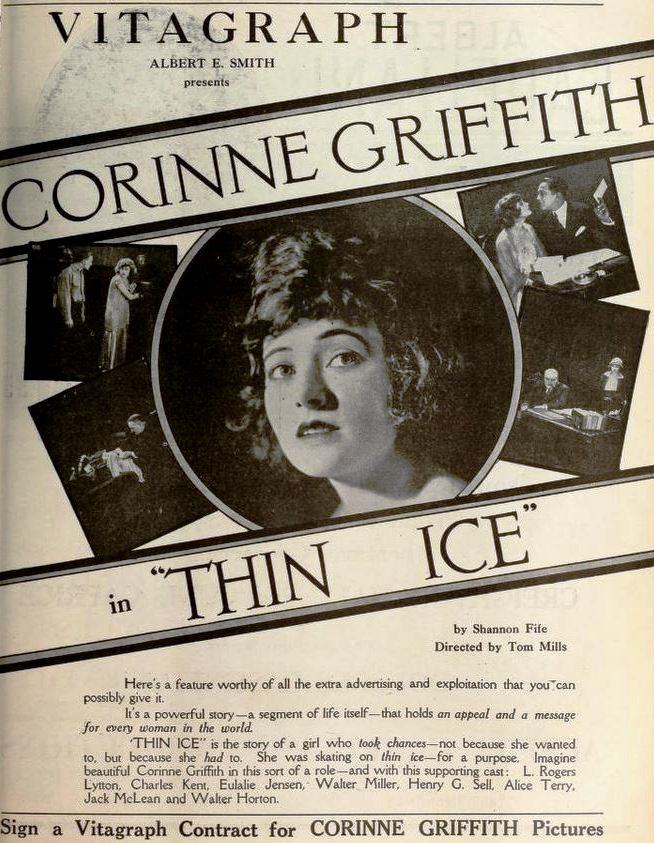
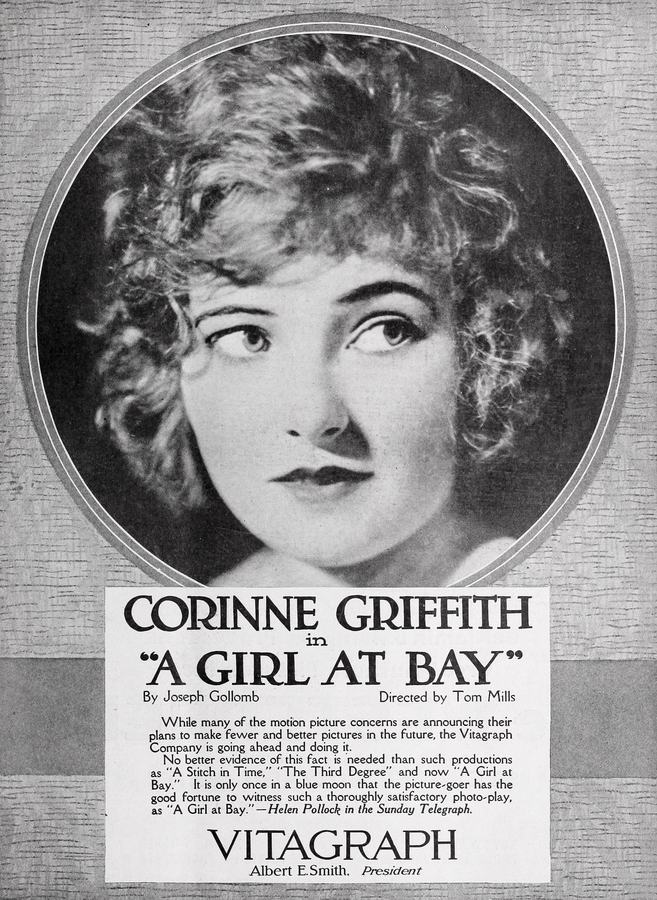
A cigarette ember punctures the 35-mm darkness, and suddenly we’re inside The Unknown Quantity—a 1923 chamber piece that feels less like a museum relic and more like a scalpel still wet from surgery. Corinne Griffith’s Mary Boyne doesn’t glide; she detonates into frame, hair uncoiling like factory smoke, eyes twin furnaces fed by four-dollars-a-week worth of shirt-collar drudgery. The camera clings to her as though magnetized, cataloguing every frayed cuff, every tremor of the needle that doubl..."