DbcultAccessing Vault...
Cult Review
Senior Film Conservator
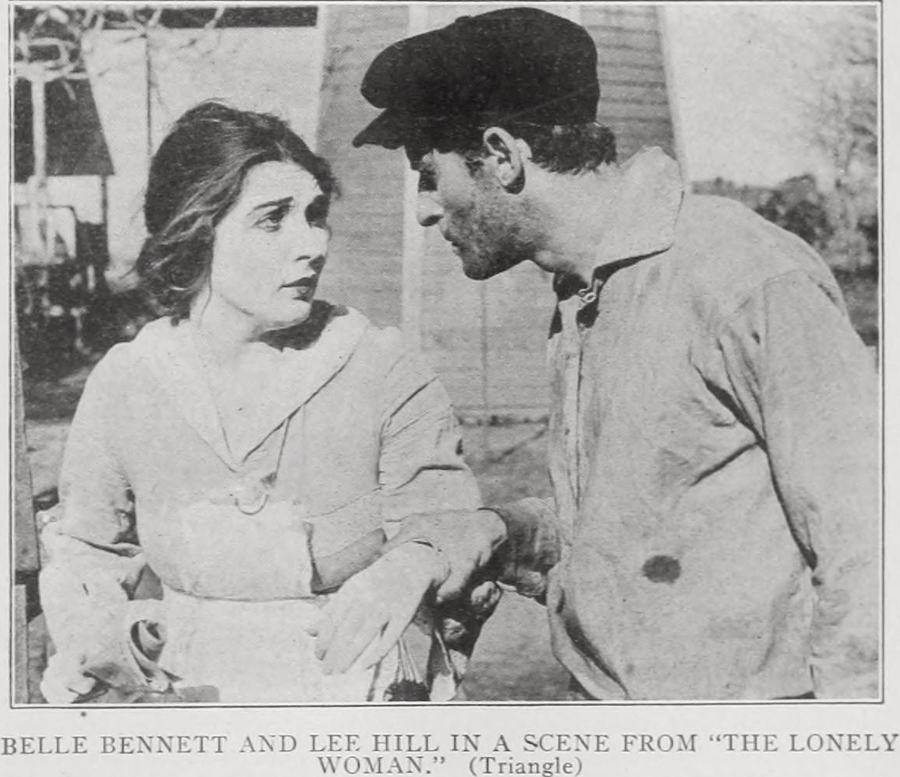
In the annals of early cinema, where narratives often hinged on exaggerated gestures and stark moral dichotomies, certain films emerge from the silent era's vast catalog with a resonant hum that transcends their age. The Lonely Woman, a 1917 production, is precisely such a film. It's a poignant exploration of societal judgment, the corrosive power of rumor, and the unexpected pathways to redemption, all wrapped within a compelling melodrama. More than a mere period piece, this film offers a fascinating lens through which to examine the social anxieties and narrative conventions of its time, presenting a story that, despite its century-old vintage, still speaks to the enduring human experiences of isolation, injustice, and the longing for truth.
At the heart of this narrative lies Martha Sellers, portrayed with understated intensity by Alberta Lee. Her character is a study in quiet suffering, a woman whose profound reticence is misinterpreted by an ever-watchful, ever-gossiping community. In small towns, silence is rarely golden; it is, more often than not, a fertile ground for suspicion, a blank canvas upon which the collective imagination paints its most lurid fictions. Martha’s reclusive nature, far from being a shield, becomes a beacon for scrutiny, drawing the villagers’ collective gaze like moths to a flame. Her decision to employ Jim Ransom, a man whose struggles with alcohol are painfully evident to all, only serves to further cement her status as an outsider, a figure whose choices defy conventional propriety and thus invite condemnation.
The societal pressure exerted upon Martha is palpable, a silent force that shapes her every interaction. The film masterfully conveys this insidious atmosphere of judgment without a single spoken word, relying instead on the subtle shifts in facial expression, the pointed glances of townspeople, and the very architecture of the scenes themselves, which often frame Martha as an isolated figure against a backdrop of curious onlookers. This narrative technique, common in silent cinema, allows the audience to feel the weight of communal opinion bearing down on her, an experience not dissimilar to the social ostracization depicted in films like The Woman Who Dared, where a protagonist's unconventional choices invite public scorn. Yet, Martha's 'daring' is not born of rebellion, but of necessity and a deeper, unspoken loyalty.
The arrival of mail, postmarked “Ossining,” becomes the turning point, the spark that ignites the full conflagration of rumor. Ossining, as many would have known then, was the home of Sing Sing Prison, a notorious correctional facility. The implication, for the villagers, is immediate and damning: Martha’s lover is incarcerated. The gossip, once a simmering undercurrent, now boils over, solidifying into an accepted 'truth' within the community. This narrative device brilliantly illustrates how easily circumstantial evidence can be twisted into a definitive judgment, how quickly a community can construct a damning narrative around an individual, driven by a blend of boredom, prejudice, and a perverse fascination with scandal. The film, through this plot point, critiques the very fabric of small-town morality, where appearances often supersede truth.
The writers, John A. Moroso and Catherine Carr, demonstrate a keen understanding of human psychology, particularly the tendency to fill informational voids with the most sensational explanations. They craft a scenario where the audience, much like the villagers, is initially presented with tantalizing fragments, only to have the full, tragic picture unveiled later. This deferred revelation builds significant dramatic tension, forcing the viewer to confront their own potential for hasty judgment, a theme echoed in films like The Streets of Illusion, where perception and reality are constantly at odds. The tragedy, of course, is that the truth is far more heartbreaking than the scandalous rumors: Martha’s husband has been unjustly convicted of embezzlement.
This revelation shifts the narrative's emotional core from mere gossip to profound injustice. Martha's stoicism, her reclusive nature, her very choice of employment for Jim Ransom, all become understandable, even heroic, acts of defiance against a cruel fate. She is not protecting a scandalous lover, but a wrongly imprisoned husband, clinging to hope and maintaining a semblance of normalcy in the face of overwhelming adversity. This theme of wrongful conviction, of an innocent person caught in the merciless gears of the legal system, is a timeless one, explored with varying degrees of nuance in countless dramas, including early works like The Innocent Sinner. However, The Lonely Woman adds a layer of community-driven speculation that amplifies Martha's suffering, making her a victim not only of a legal error but of societal prejudice.
The film's exploration of this injustice is particularly potent in the silent era, where the lack of dialogue forces a greater reliance on visual storytelling and the emotional resonance of the actors’ performances. Alberta Lee, as Martha, conveys a depth of sorrow and unwavering resolve through her posture, her eyes, and her subtle gestures. The audience is invited to empathize with her plight, to feel the weight of her secret, and to silently rage against the unfairness of her situation. This is where the power of silent film truly shines, transforming internal monologues into externalized emotional landscapes, allowing for a universal connection to the character's struggle, much like the intense emotional narratives found in films such as Livets Stormagter, which often depicted characters battling immense, often unseen, forces.
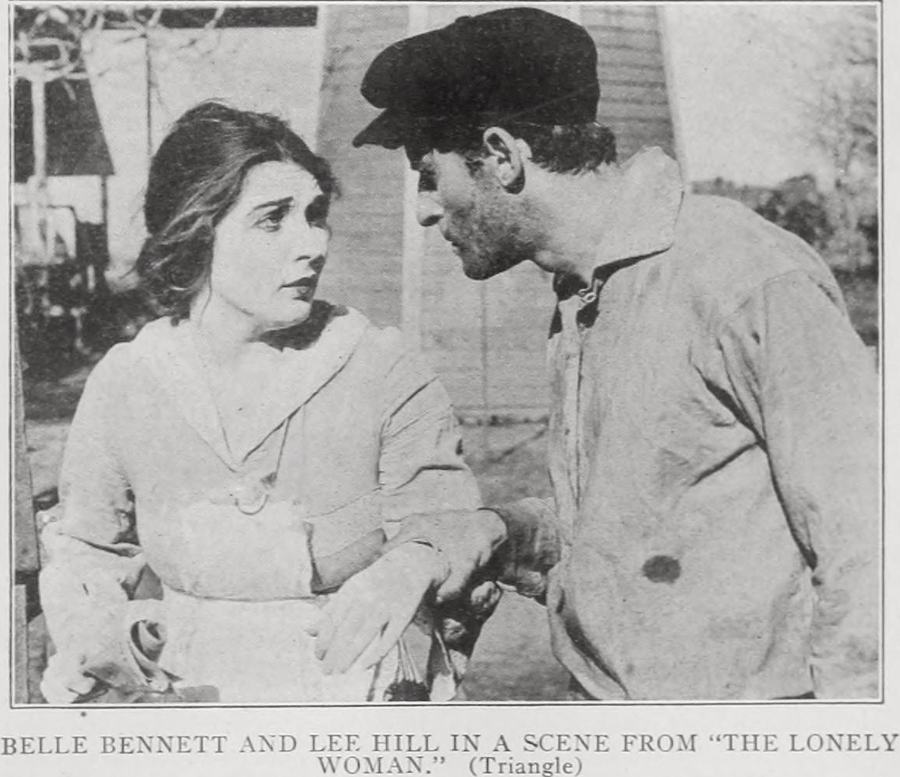
Perhaps the most compelling and unexpected character arc belongs to Jim Ransom. Initially presented as a societal outcast, a man whose life is seemingly defined by his addiction, he serves as a stark contrast to the upright, if gossipy, villagers. His employment by Martha, initially seen as another one of her eccentricities, is ultimately revealed to be a testament to her compassion, or perhaps, a desperate grasp at any available help. Percy Challenger, in the role of Ransom, embodies the tragic figure of the drunkard with a surprising degree of nuance. He is not merely a caricature but a man wrestling with his own demons, his presence in Martha's life a silent acknowledgment of her own unspoken burdens.
It is in the film's climactic moments that Ransom undergoes a profound transformation. Fate, often a capricious mistress, intervenes, leading Ransom to a moment of clarity, a moral awakening that compels him to confront his past. He asserts his responsibility for the original robbery, an act of self-sacrifice and redemption that elevates him from a pitiable figure to an unlikely hero. This confession is not merely a plot device; it's a powerful statement about the potential for good within even the most flawed individuals, a testament to the idea that truth, however long suppressed, will eventually surface. This unexpected turn of events brings to mind the themes of loyalty and sacrifice found in stories like Damon and Pythias, though Ransom's journey is far more fraught with personal struggle and societal judgment, akin to the societal struggle depicted in Drankersken, where individuals battle personal vices within a critical social landscape.
Beyond Lee and Challenger, the supporting cast contributes significantly to the film’s rich tapestry. Anna Dodge, Walter Perkins, Belle Bennett, Blanche Gray, and Lee Hill, though perhaps with less screen time, collectively create the vivid, judgmental community that serves as both antagonist and backdrop to Martha’s struggle. Their collective portrayal of the small-town populace effectively conveys the suffocating atmosphere of suspicion and the insidious nature of rumor, demonstrating the power of ensemble acting even in the early days of cinema.
The screenplay by John A. Moroso and Catherine Carr is particularly noteworthy for its meticulous construction of suspense and its gradual unveiling of truth. They understand the mechanics of melodrama, leveraging emotional highs and lows to keep the audience engaged. The pacing, a crucial element in silent film, is carefully managed, allowing moments of quiet contemplation to breathe before accelerating into dramatic confrontation. The narrative arc, from initial mystery to profound injustice and ultimate redemption, is executed with a clarity and emotional resonance that belie the film's age. The story is concise, yet expansive in its thematic scope, a hallmark of effective early screenwriting.
Visually, the film likely employed the standard techniques of its era: expressive intertitles to convey dialogue and exposition, dramatic lighting to heighten mood, and carefully composed shots to emphasize character isolation or community interaction. While specific directorial credits for this film might be elusive or shared, the overall direction ensures that the emotional beats land with impact, and the story progresses with a compelling momentum. The subtle use of close-ups, where appropriate, would have served to draw the audience into the characters’ internal worlds, making their silent anguish or resolve all the more palpable. This visual language is essential in understanding the narrative, much like the intricate visual storytelling in classics such as Das Phantom der Oper.
The ultimate reunion of Martha and her husband, facilitated by Ransom's confession, provides a cathartic release, a moment of triumph against the forces of injustice and prejudice. It's a testament to the enduring power of truth and the capacity for redemption, even from the most unexpected quarters. The film doesn't shy away from the pain and suffering that precede this resolution, making the eventual happiness hard-won and deeply satisfying. This narrative arc, where an individual's hidden truth is exposed to rectify a societal wrong, is a powerful one, resonating with the broader human desire for justice and closure. It reminds us that appearances can be deceiving, and that true character often reveals itself in moments of crisis, much like the complex layers of human nature explored in The Spy, where hidden identities and moral choices drive the plot.
In an era often dismissed as simplistic, The Lonely Woman stands as a compelling example of silent cinema's capacity for complex emotional storytelling and social commentary. It’s a film that, through its compelling plot and nuanced characterizations, invites us to reflect on the dangers of snap judgments, the resilience of the human spirit, and the transformative power of honesty. For enthusiasts of early cinema, or indeed, anyone interested in the enduring themes of human drama, this film offers a rich and rewarding experience, reminding us that the golden age of Hollywood was preceded by a foundational period of profound artistic innovation and emotional depth. Its exploration of individual struggle against collective misunderstanding is a theme that remains perennially relevant, linking it to the universal struggles depicted in films across cinematic history, a testament to the timeless power of well-crafted storytelling.
IMDb —
1918
Community
Log in to comment.