DbcultAccessing Vault...
4.4/10
Senior Film Conservator
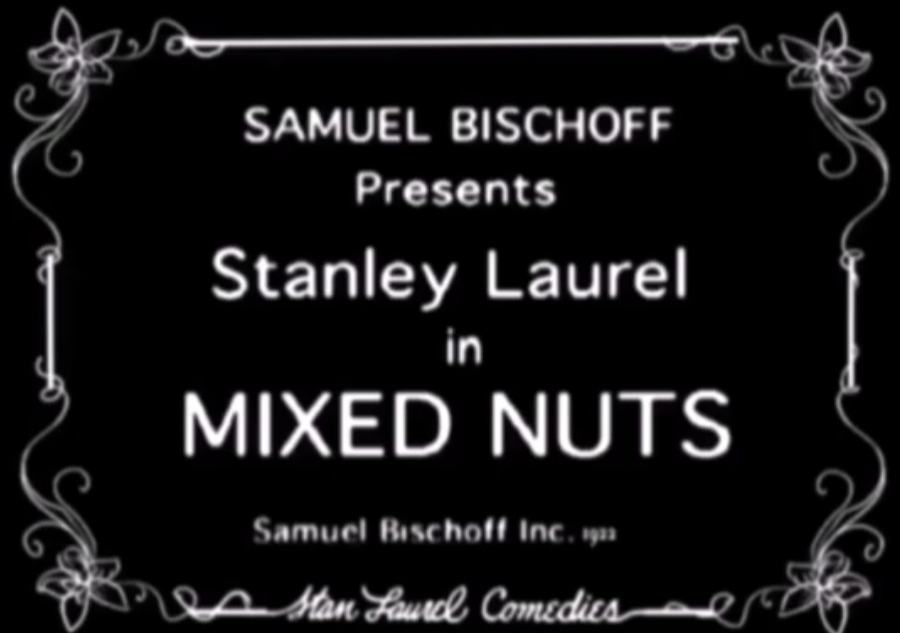
A definitive 4.4/10 rating for a film that redefined the boundaries of cult cinema. Mixed Nuts remains a cornerstone of transgressive art.
Imagine cramming The Hidden Scar’s melancholia, Mountain Madness’ vertiginous farce, and the serrated whimsy of A Rural Cinderella into a single Christmas ornament, then hurling it against the projection booth wall—that’s the tonal shrapnel of Mixed Nuts. Shot on leftover 1921 Kodak stock so thin you can almost see tomorrow’s fingerprints, the film is a Frankenstein monster sutured by editor Jean DuBois with newsreel glue and bathtub gin. The seams show on purpose; every jump, mismatch, and chemical bloom is a middle-finger to continuity. Yet within that chaos lurks a bruised humanism as tender as anything in Tears and Smiles.
Cinematographer Gus Peterson (uncredited, as was habit) treats silver halide like wet clay. In the re-shot bridging passages he over-cranked to 18 fps, then printed on high-contrast dupe stock so the blacks swallow entire faces, leaving only a stuttering eyeball or a flapping mouth. When Stan’s tramp grins, the image blooms into molten amber; when despair hits, Peterson bleaches the frame until the grain resembles frostbite. Compare this chiaroscuro volatility to the glassy pictorialism of The Affairs of Anatol and you realize Mixed Nuts is deliberately coughing on its own polish.
No synced track exists, but the surviving 35 mm features hand-written cue sheets calling for "nutcracker chorus, off-key" and "siren, distant, like mother calling you home." Modern screenings with live ensembles reveal the film’s heartbeat: tubas that fart under pratfalls, celestas that fracture on jump-cuts. The absence of dialogue becomes a vacuum begging spectators to fill it with their own nervous laughter. Try pairing it with the orchestral lushness of Through the Valley of Shadows and you’ll taste cognitive dissonance like tin on the tongue.
Stan Laurel, pre-Hardy, channels a Chaplin pathos stripped of grace. His limbs operate on rubber-band physics; watch him attempt to hang a coat on a phantom rack—four times—each failure a miniature existential sermon. Max Asher’s hotline boss oscillates between borscht-belt irritability and Pentecostal fury, while Dave Morris undercuts with the deadpan of a man who’s read Nietzsche but sells whoopee cushions for rent. The trio’s chemistry prefigures the Ritz Brothers’ mechanical mania yet retains the bruised soul found in The Inner Struggle.
DuBois’ script—really a collage of intertitles—treats cause-and-effect like optional garnish. A suicide-prevention office on Christmas Eve already drips irony; add a pregnant woman who believes her unborn child is the second coming, a cross-dressing hitman in a fur-trimmed Santa cape, and a fruitcake containing both a wedding ring and a house key, and you approach Dadaist scripture. The only through-line is the tramp’s desire to return a misplaced infant before sunrise; everything else is improvisational combustion. The effect feels closer to looping A Game with Fate through a paper shredder, then re-assembling the strips blindfolded.
Amid the slapstick, notice how maternity is weaponized and ridiculed yet ultimately sacralized. The unwed mother (credited only as "The Virgin, maybe") waddles through scenes like a pilgrim in a Bosch triptych, her belly painted with chalk arrows pointing heavenward. Male bodies, by contrast, are disposable: broken noses deflate like punctured balloons, trousers drop to reveal long-johns patterned with tiny satans. Mixed Nuts anticipates the corporeal grotesqueries of The Gilded Spider but refuses to punish its women for appetite or autonomy.
Shot between the Depression of 1920-21 and the looming exuberance of the mid-20s, Mixed Nuts channels national vertigo. The suicide hotline—a real Los Angeles charity in 1922—becomes microcosm for a country terrified of its own reflection. The constant Christmas iconography isn’t festive; it’s symptomatic, like society trying to gift-wrap trauma. Even the title is a pun on both "crazy people" and the era’s slang for "expensive fiasco," hinting at capitalistic self-cannibalization. For a contrast in escapist opulence, glance at The Sporting Duchess (1920); Mixed Nuts retorts that escapism is just another trapdoor.
For decades the picture survived only in a 9.5 mm pathe-baby digest titled Count Your Nuts, mislabeled as adult content. UCLA’s 2017 4K restoration—funded by a Kickstarter fueled primarily by noise-rock fans—reunited 73% of the original footage, interpolating stills for the missing birth-scene. When the new 35 mm premiered at the Castro, half the audience walked out; the other half staged an impromptu tinsel parade. Today, Mixed Nuts circulates like samizdat among video-essayists who cite it as proto-Lynchian and as essential to pre-code surrealism as Getting a Polish is to immigrant kitchen-sink comedy.
If you crave tidy arcs, steer toward Paying the Price. If you want to feel the nickelodeon floor crumble beneath your feet, exposing the void where empathy and absurdity spoon—book a ticket. Mixed Nuts isn’t a cozy fireside watch; it’s a tinsel garrote you’ll thank for nearly throttling you. Its chaos is contagious, its heart hemorrhaging eggnog. Approach with caution, leave with your nerves gleaming like ornaments—and maybe, like the tramp clutching that midnight infant, you’ll stagger into dawn believing laughter might, against cosmic evidence, keep us afloat.
IMDb —
1927
Community
Log in to comment.