Summary
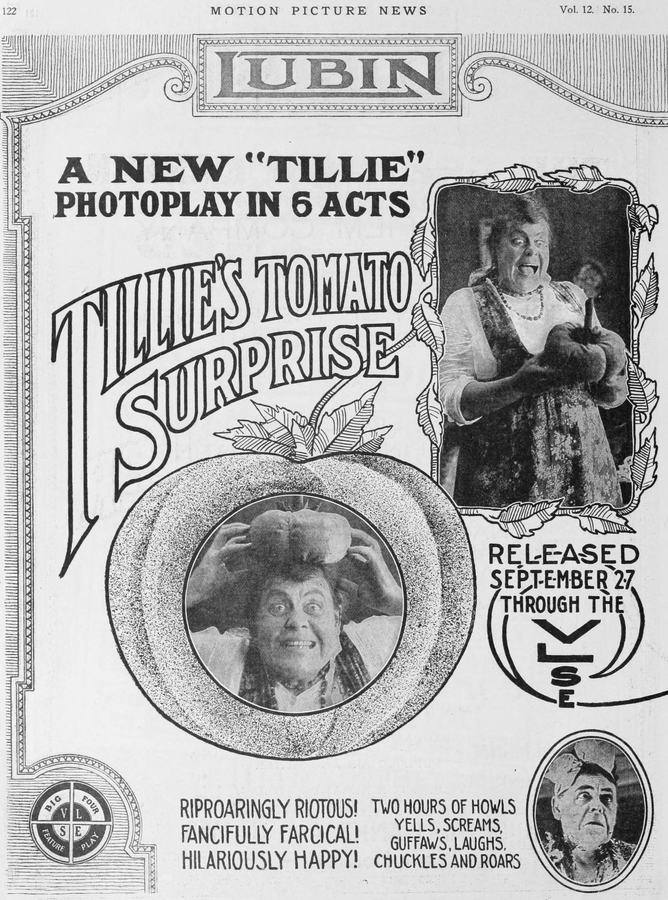
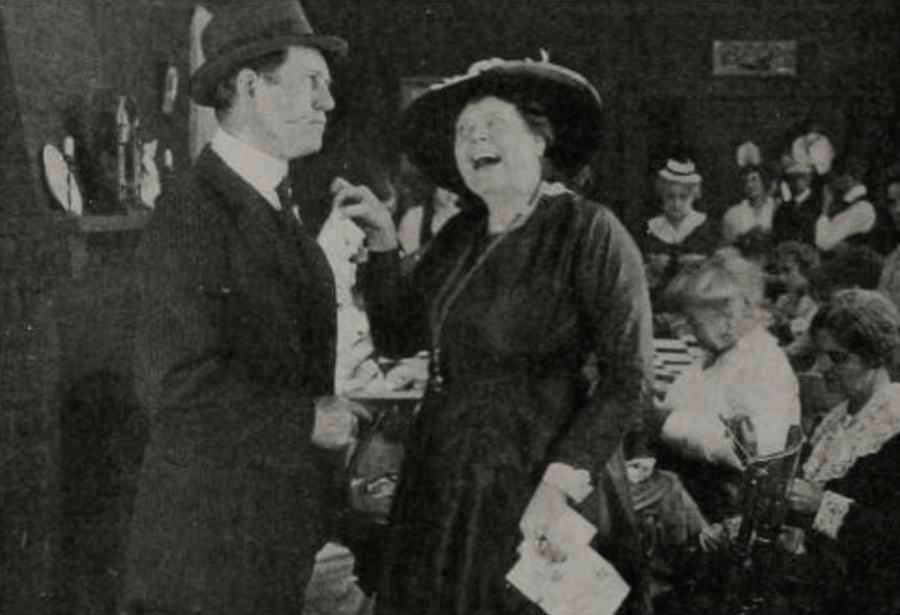
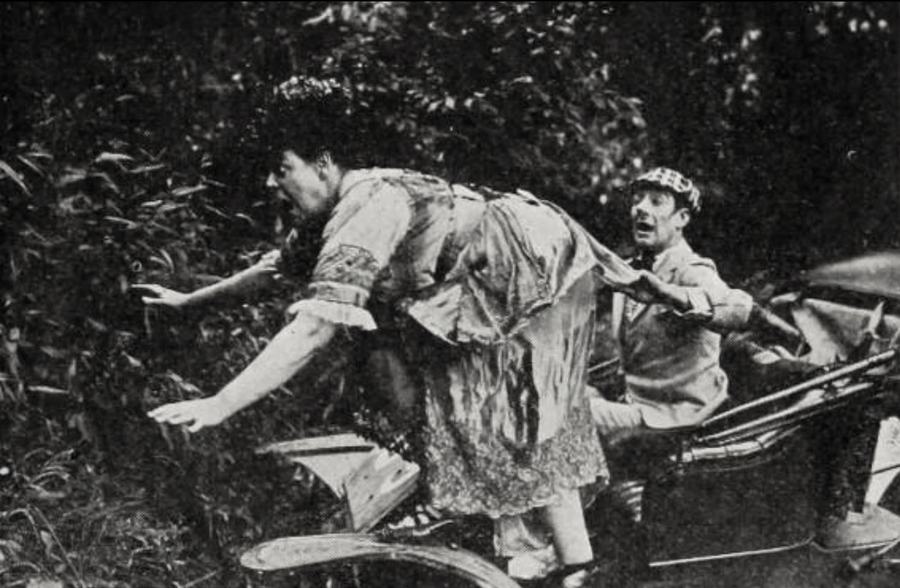
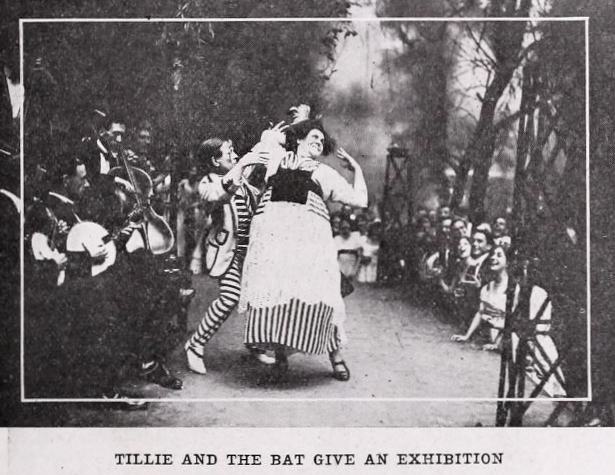
A spinsterish drudge, Tillie, whose days are measured in bruised cabbages and sooty washboards, is catapulted into the gilded stratosphere when a telegram announces her late aunt’s astronomical fortune—an estate of rolling glasshouses where tomatoes swell like rubies on the vine. Cue a stampede of silk-gloved cousins, cigar-chomping lawyers, and a monocle-twirling banker who covets the greenhouse patent; suddenly the mousey heiress is the juiciest prize on the Eastern Seaboard. Tom McNaughton’s bashful botanist—equal part soil-stained idealist and accidental suitor—tries to shield Tillie from circling predators, while Marie Dressler’s gloriously broad-shouldered matriarch stomps through drawing-rooms like a Clydesdale in pearls, dispensing iron-clad aphorisms and side-eye that could sour cream. Into this money-drunk carnival prances James the Monkey, a scene-stealing capuchin who delivers subpoenas, pilfers pocket-watches, and in the film’s most surreal flourish, orchestrates a tomato-pelting coup that splatters Wall Street’s finest in vermilion humility. The third act migrates to the glass-roofed conservatory at midnight: moonlight refracts through suspended fruit, turning each tomato into a paperweight of liquid starlight while Tillie—now sporting a regal sash stitched from her aunt’s Victorian bloomers—must decide whether to auction her birthright to a ketchup conglomerate or preserve the fragile ecosystem that once fed immigrant families. The climax, a delirious waltz of ladders, bursting vines, and a runaway goat in spats, ends with Tillie hurling the signed deed into a vat of simmering marinara, thereby declaring independence from the tyranny of capital. The final frame freezes on her soot-smudged grin, sauce dripping like war paint, as electric lamps flicker on across the valley—an orchard of tiny suns affirming that heritage, like tomatoes, rots when hoarded but ripens when shared.
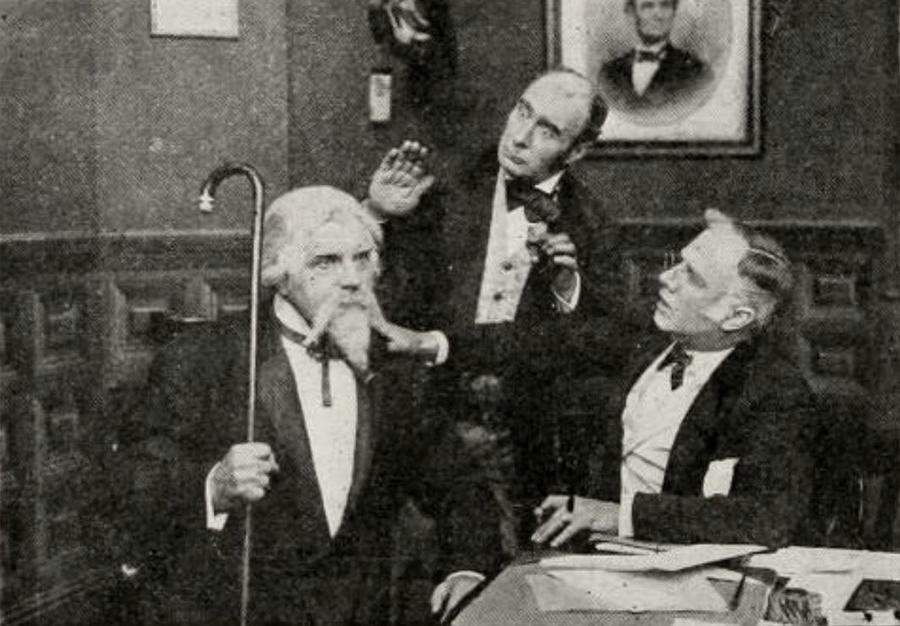
Tillie inherits her aunt's fortune.
Review Excerpt
"
Tillie’s Tomato Surprise is less a film than a ferment—an effervescent crock of contradictions that hisses at Victorian piety while ladling out Edwardian slapstick with gleeful abandon.
Released in the summer of 1914, this one-reel marvel feels like a folk tale that has tumbled through a banker’s ledger, landing smack inside a greenhouse where every tomato gleams like a usurer’s eyeball. Acton Davies’s script, compressed yet combustible, skewers the American obsession with sudden wealth while s..."