DbcultAccessing Vault...
Cult Review
Senior Film Conservator
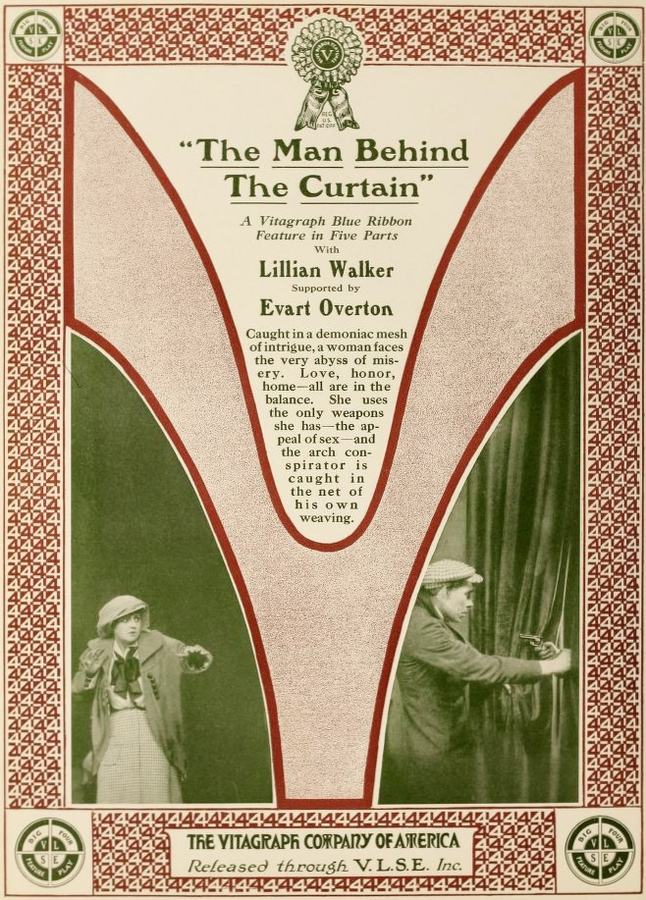
Step into the flickering shadows of the silent era, where melodrama reigned supreme and the human condition was often painted in broad, dramatic strokes. In The Man Behind the Curtain, we are thrust into a narrative vortex of mistaken identity, pervasive injustice, and the relentless pursuit of truth. This cinematic artifact from 1916, penned by Minnie Krakauer, is more than just a period piece; it's a testament to the enduring power of a well-crafted mystery, even when conveyed without a single spoken word. It masterfully navigates the treacherous waters of circumstantial evidence, societal judgment, and the profound resilience of an individual fighting for her very reputation. The film, starring the compelling Lillian Walker, Monte Blue, and William R. Dunn, unfurls a labyrinthine plot that, despite its age, still possesses a remarkable capacity to enthrall, demonstrating the timeless appeal of a good old-fashioned whodunit imbued with tragic romance.
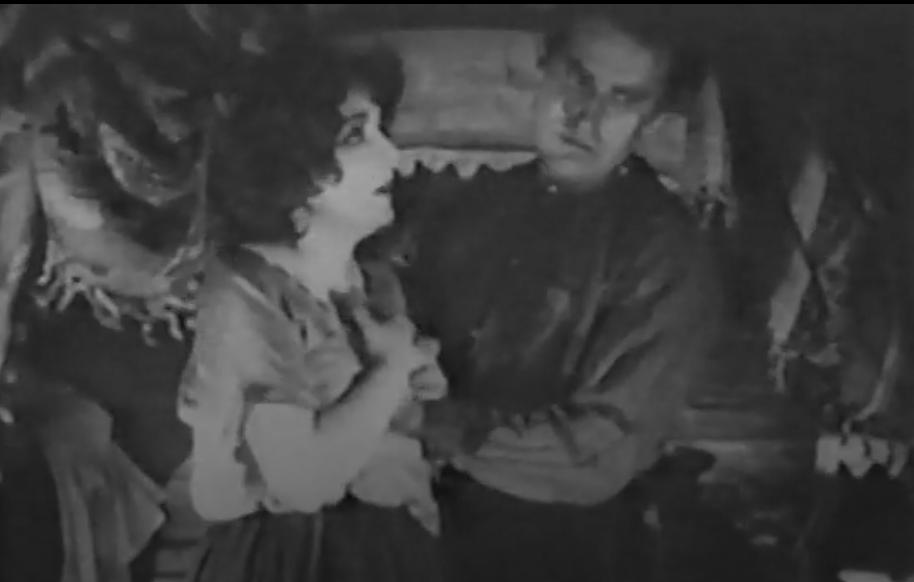
The narrative commences with Edna Hall, portrayed with poignant vulnerability by Lillian Walker, a young woman already burdened by the cruel hand of fate, having been orphaned. Her quest for gainful employment leads her to the seemingly stately Stanhope residence, an establishment that, unbeknownst to her, harbors a ghastly secret. The moment she crosses the threshold, her innocent aspirations collide head-on with a scene of unspeakable horror: Mrs. Stanhope lies lifeless, a victim of a brutal stabbing, her precious pearl ring conspicuously absent. The tableau is one of immediate, visceral shock, an abrupt shattering of any lingering innocence Edna might have possessed. The film's initial sequences are a stark reminder of how quickly an ordinary existence can devolve into a nightmare, how a simple job application can become an unwitting entry into a murder mystery. The pervasive sense of dread is palpable, establishing a tone that hovers between suspenseful thriller and profound tragedy.
It is in this moment of utter paralysis that the film introduces its titular enigma: a man, shrouded in shadow, who emerges from behind a curtain. This figure, later identified as Mr. Gardner (played with a compelling blend of cynicism and unexpected kindness by William R. Dunn), drops the very dagger used in the murder at Edna's feet. His subsequent advice—a chillingly pragmatic suggestion that she flee, as her situation appears damning despite his personal belief in her innocence—is a masterstroke of narrative manipulation. It forces Edna into a desperate flight, leaving behind a trail of clues that, to any objective observer, would undoubtedly point to her culpability. This pivotal scene encapsulates the film's central conflict: the stark disparity between perceived guilt and actual innocence, a theme explored with nuanced intensity throughout the sprawling plot. The decision to have the man behind the curtain both implicate and aid Edna simultaneously adds layers of moral ambiguity, setting the stage for a complex web of deceit and redemption.
Edna’s subsequent years are spent in an attempt to outrun her past, finding a semblance of peace and purpose as a governess in a distant locale. Her life, though shadowed by the traumatic events, eventually blossoms with unexpected romance. A serendipitous encounter leads to a passionate courtship with Harry Leland, a man of considerable wealth and charm, portrayed by Monte Blue with a captivating earnestness. Their love story unfolds with the conventional sweetness of a silent film romance, offering a momentary respite from the earlier darkness. However, the narrative, ever true to its melodramatic roots, refuses to allow Edna lasting tranquility. The return to Harry’s ancestral home after their honeymoon delivers a gut-wrenching blow: it is the very house where Mrs. Stanhope met her untimely end. The shock of recognition for Edna is profound, a visceral punch that threatens to unravel her carefully constructed new life.
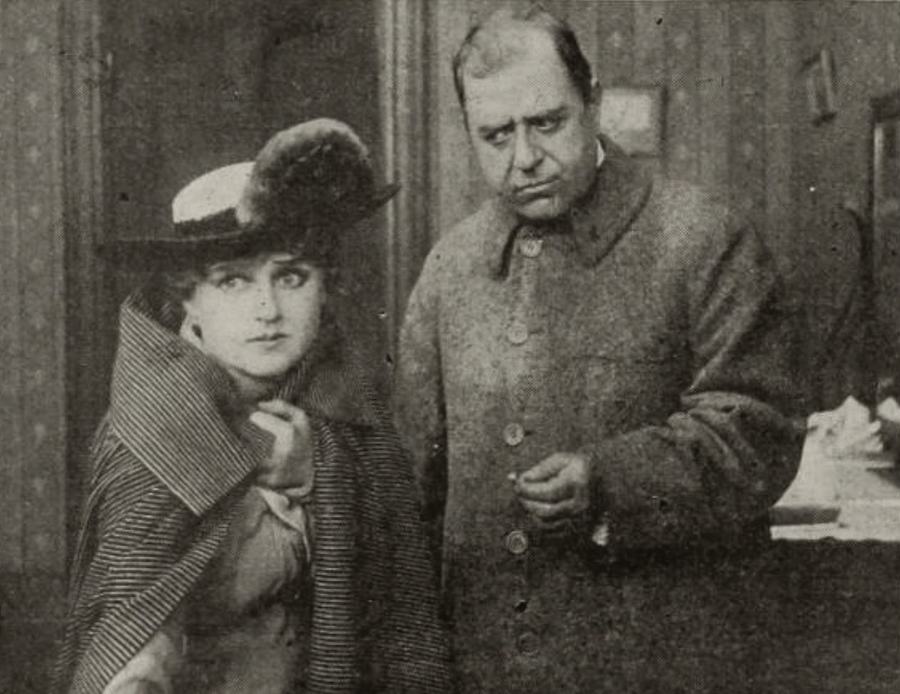
The revelation that Harry is, in fact, Mrs. Stanhope's son by her first husband, amplifies the tragedy, intertwining their destinies in a cruel tapestry of love and murder. The tension escalates dramatically with the re-entry of Perkins, the Stanhope family butler (played with sinister relish by John Costello). Perkins, a figure of insidious malice, recognizes Edna instantly, setting in motion a relentless campaign of psychological torture. His insidious machinations, designed to exploit Edna’s secret for financial gain, are a harrowing depiction of blackmail and emotional torment. This period of the film is particularly effective in demonstrating the suffocating grip of an unproven accusation, illustrating how easily a person can be isolated and victimized when their past returns to haunt them. The performances during these scenes are particularly potent, conveying the silent screams of a woman trapped in a web of deceit and fear.
The climax of Perkins’s torment arrives when his demands for money are accidentally discovered, forcing him to expose Edna to Harry. The heartbroken Harry, caught between his profound love for his new wife and an unyielding loyalty to his deceased mother's memory, is compelled to turn his back on Edna until she can unequivocally prove her innocence. This moment, further complicated by the arrival of Mr. Stanhope (Evart Overton), Harry’s stepfather, who also recognizes Edna from the day of the murder, leaves her an outcast, her marital bliss shattered, her reputation in tatters. The emotional weight of these scenes is immense, showcasing the devastating consequences of suspicion and the fragility of trust. It is a powerful portrayal of how societal judgment, fueled by circumstantial evidence, can dismantle a life.
Yet, Edna is no mere damsel in distress; she embodies a nascent form of female agency that, while perhaps not fully revolutionary for its time, certainly pushes against the passive victim trope. Spurred by a flicker of hope ignited by a chance sighting of Mr. Gardner, the enigmatic man who first advised her flight, Edna embarks on a daring and ingenious quest for truth. Her decision to adopt the disguise of a street boy is a fascinating narrative device, allowing her to move through the world unobserved, gathering crucial intelligence. This transformation from vulnerable bride to astute investigator is one of the film's most compelling arcs, highlighting Edna’s inner strength and resourcefulness. In this new guise, she uncovers vital information about Gardner, confirming his continued presence and relevance to the original crime.
Subsequently, Edna reverts to her proper identity, strategically placing herself in Gardner’s orbit. She endures his "odious attentions," a euphemism hinting at the uncomfortable social dynamics and gender expectations of the era, all while biding her time, meticulously planning her next move. This period of calculated patience demonstrates Edna’s burgeoning cunning and her unwavering resolve to clear her name, no matter the personal cost. Meanwhile, Harry, despite his outward rejection, remains deeply enamored with Edna, a testament to Monte Blue's portrayal of a man torn by conflicting loyalties. He dispatches a detective to locate her, unknowingly setting in motion the final pieces of the intricate puzzle.
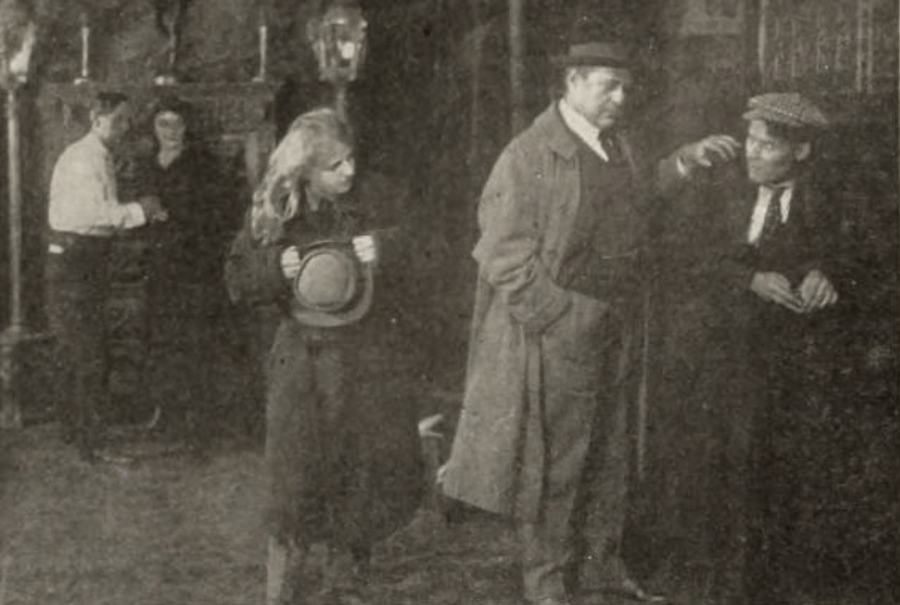
The detective’s timely arrival coincides with Gardner’s ill-advised attempt to gift Edna the very pearl ring stolen from Mrs. Stanhope. This pivotal moment serves as the irrefutable evidence Edna needs, a tangible link to the true culprit. With this crucial piece of the puzzle, Edna, now fully empowered, guides the detective to Gardner. The ensuing climax is a whirlwind of action and revelation: Gardner, in a desperate attempt to silence Perkins, lures the blackmailing butler into a burglary of his own house, culminating in Perkins’s violent demise. Gardner’s subsequent capture brings an end to the long-standing mystery and, more importantly, unequivocally vindicates Edna. The film delivers a satisfying resolution, allowing Harry to rejoice enthusiastically at his beloved's cleared name, sealing their reunion with the triumphant flourish characteristic of silent era melodramas.
Lillian Walker's portrayal of Edna Hall is the emotional anchor of The Man Behind the Curtain. Her ability to convey a spectrum of emotions—from initial terror and despair to quiet resilience and ultimately, determined agency—without the aid of spoken dialogue is truly remarkable. She embodies the archetypal wronged woman of early cinema, yet imbues Edna with a strength that transcends mere victimhood. Monte Blue, as Harry Leland, delivers a performance that balances aristocratic charm with genuine emotional turmoil, making his character's internal struggle between love and duty profoundly believable. William R. Dunn's Mr. Gardner is a standout, his cynical demeanor masking a complex villainy, while John Costello’s Perkins is a memorably despicable antagonist, perfectly capturing the insidious nature of blackmail.
Minnie Krakauer's screenplay, despite the narrative conventions of its time, demonstrates a keen understanding of suspense and character development. The intricate plotting, with its numerous twists and turns, keeps the audience engaged, even anticipating later cinematic tropes. The film's direction, though uncredited in the provided details, effectively utilizes the visual language of silent cinema—close-ups to convey emotion, dramatic lighting to heighten tension, and expressive gestures to advance the narrative. The pacing, while occasionally deliberate by modern standards, allows for a full immersion into Edna's harrowing journey, building suspense incrementally until the explosive climax.
Thematic undercurrents run deep throughout the film. The concept of wrongful accusation is central, echoing similar narratives like And the Law Says, where legal systems or societal judgments often fail the innocent. Edna's fight for her reputation resonates with the struggles depicted in films such as For a Woman's Fair Name, highlighting the precarious position of women in society and the devastating impact of scandal. The film also touches upon the idea of hidden secrets and facades, a common thread in melodramas like The Gilded Spider, where appearances often belie darker truths. The journey of Edna from a timid victim to a proactive agent of her own vindication speaks to themes of inner strength of the weak, a powerful message for audiences then and now.
The film’s portrayal of a woman’s struggle for justice and autonomy also invites comparison to broader social commentaries of the era, such as What 80 Million Women Want, which explored the evolving roles and demands of women in society. While not overtly political, Edna’s journey subtly champions resilience and the right to a fair trial, even if that trial is conducted through her own investigative efforts rather than a court of law. The intricate web of relationships and hidden motivations also brings to mind the complexities seen in films like The Twin Triangle, where familial ties and deceit often intertwine.
The Man Behind the Curtain stands as a compelling example of early cinematic storytelling, showcasing how directors and writers, even without the benefit of synchronized sound, could construct intricate narratives and evoke profound emotional responses. It is a film that rewards patient viewing, allowing the viewer to appreciate the subtle nuances of performance and the dramatic arc that builds towards a satisfying conclusion. For enthusiasts of silent cinema, or those curious about the roots of the mystery genre, this film offers a valuable glimpse into a bygone era of filmmaking. Its enduring appeal lies not just in its historical significance, but in its ability to tell a timeless story of justice, love, and the unwavering human spirit in the face of overwhelming adversity. The film's structure, moving from an initial tragic event to a period of false calm, then to a renewed struggle and eventual triumph, mirrors the classic narrative journey that continues to captivate audiences today. It reminds us that even in the absence of dialogue, the power of visual storytelling, compelling characters, and a gripping plot can resonate across generations, cementing its place as a noteworthy piece of cinematic history.
IMDb 6.2
1920
Community
Log in to comment.