DbcultAccessing Vault...
Cult Review
Senior Film Conservator
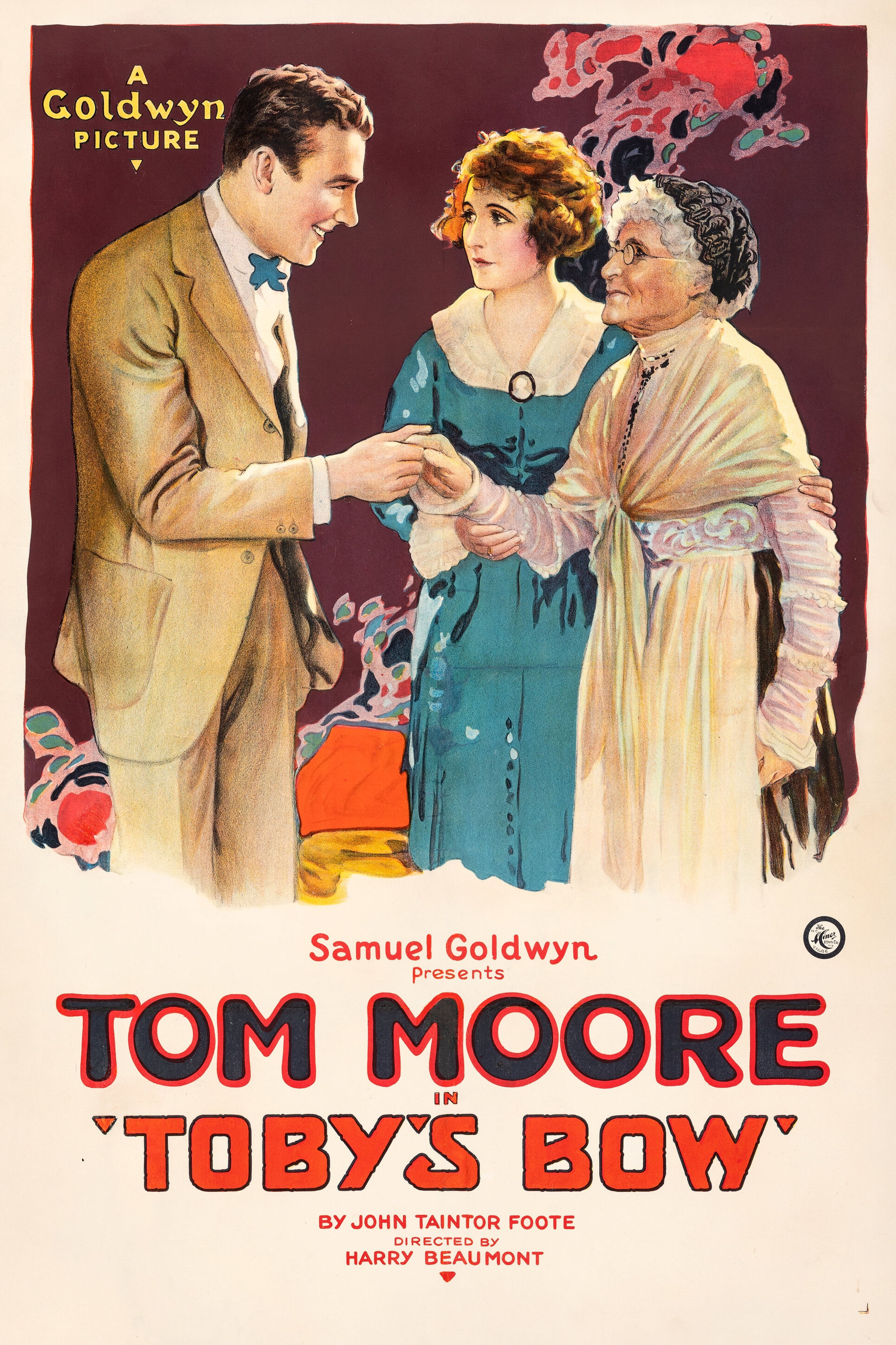
The cinematic landscape of 1919 was one of profound transition, caught between the Victorian moralism of the previous decade and the burgeoning hedonism of the Jazz Age. Toby's Bow opens not in the pastoral quietude one might expect from its title, but in the smoky, intellectual miasma of Greenwich Village. Here, Tom Moore portrays Tom Blake with a weary, kinetic frustration that feels startlingly modern. Blake is a man whose success has become his cage. The film captures the 'wild Bohemian lifestyle' not as a site of liberation, but as a vacuum of productivity. Much like the backstage anxieties explored in Behind the Scenes, the protagonist's internal struggle is mirrored by his external environment. The Village is depicted as a place where art is talked about but rarely produced—a meritocracy of the mouth rather than the pen.
The publisher’s ultimatum serves as the narrative’s primary catalyst, a blunt instrument of capitalism striking the anvil of creative ego. When Blake is told he must forsake this environment or face financial ruin, the film transitions from an urban satire into something far more complex: a study of cultural displacement. Unlike the more fantastical elements found in A Good Little Devil, the stakes here are rooted in the very real anxieties of class and reputation. Blake’s journey to the South is not a retreat, but a reclamation of the self, albeit one built upon a foundation of deception.
Upon Blake’s arrival at the Southern estate, the film’s palette—metaphorically speaking, in this silent era monochrome—shifts significantly. We are introduced to Eugenia (played with a delicate yet firm resolve by Doris Pawn) and her grandmother (the formidable Ruby Lafayette). The estate is a character in itself: a crumbling monument to a 'Lost Cause' ideology that refuses to acknowledge its own decay. The grandmother’s refusal to take in boarders is a masterclass in the performance of aristocracy. She is a woman living in a ghost story of her own making, maintaining the facade of wealth while the mortgage looms like a guillotine. This tension between reality and reputation is a recurring theme in the era, often seen in works like Sapho, where social standing is a currency more valuable than gold.
Blake’s entry into this world as a 'guest' rather than a tenant is a pivotal narrative choice. It allows him to observe the family without the transactional lens of his previous life. However, it also highlights the inherent dishonesty required to maintain Southern 'honor.' The film navigates these waters with more nuance than Nine-Tenths of the Law, focusing less on the legalities of possession and more on the psychological weight of belonging. Blake is an outsider twice over: a Northerner in the South and a liar in a house of 'truth.'
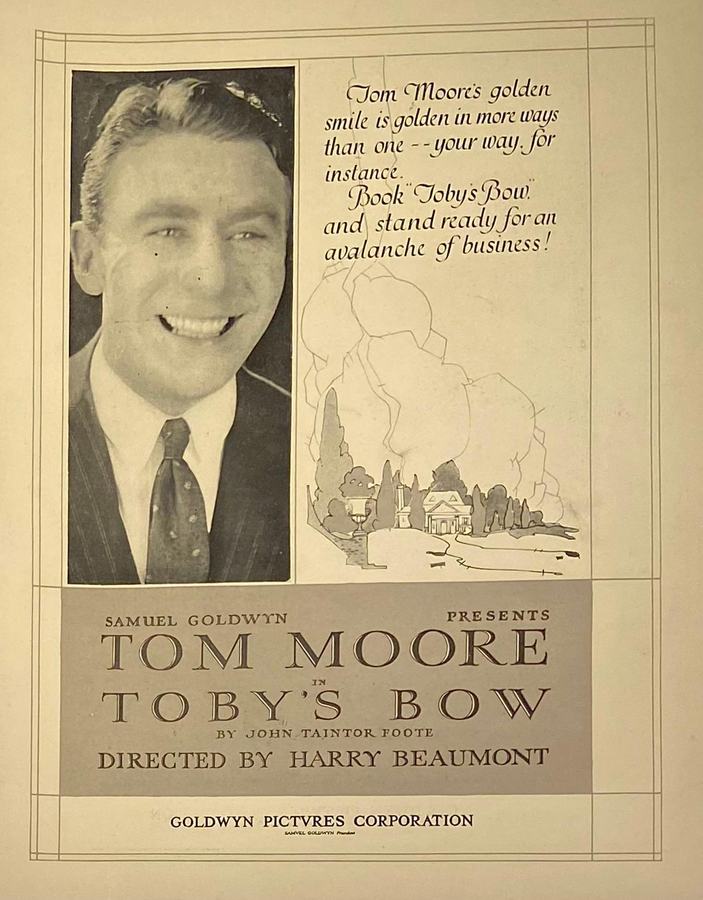
The character of Toby, portrayed by Nick Cogley, is perhaps the most complex element for a modern audience to parse. In the context of 1919, Toby represents the 'faithful retainer' trope, yet the film imbues his actions with a specific agency that warrants closer inspection. The 'bow' is not merely a gesture of subservience; it is a seal of approval, a recognition of legitimate pedigree. By withholding the bow from Blake, Toby acts as the moral compass of the estate. He senses the lack of authenticity in Blake, even if he cannot name it. This use of a physical gesture as a central plot device is a testament to the power of silent cinema—where a tilt of the head or a bend of the waist can carry more narrative weight than a page of dialogue.
This dynamic creates a fascinating subtext regarding the construction of the 'Gentleman.' Is a gentleman born or made? Does Blake deserve the bow because of his talent, or must he earn it through character? The film suggests the latter. While The Recruit deals with the molding of a man through military discipline, Toby's Bow argues for a moral refinement that can only occur through humility and the sacrifice of ego.
The middle act of the film focuses on the creative collaboration between Blake and Eugenia. Eugenia’s manuscript is described as 'poor,' a fledgling effort that lacks the structural integrity of a seasoned novelist. Blake’s decision to virtually rewrite the book is presented as an act of love, but it raises uncomfortable questions about gender and authorship. Is Blake empowering Eugenia, or is he erasing her voice? In the era of Still Waters, where female agency was often depicted through the lens of domesticity, Toby's Bow offers a more professional, albeit complicated, dynamic.
The success of the novel provides a literal deus ex machina for the family’s financial woes, but it also sets the stage for the film’s most dramatic confrontation. When Eugenia discovers that her success was 'bought' through Blake’s secret labor, her reaction is one of fury rather than gratitude. This is a crucial moment. It elevates her from a mere love interest to a woman of profound, if misplaced, pride. She rejects the 'charity' of his talent. This exploration of the 'gift' as a form of control is far more sophisticated than the melodramatic beats of Appearance of Evil.
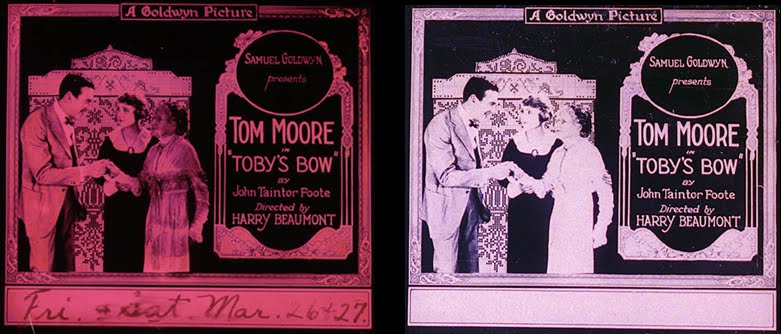
The final act sees Eugenia traveling to Greenwich Village, a reversal of Blake’s initial journey. This 'fish out of water' sequence is essential for her character development. She witnesses the environment that nearly destroyed Blake—the pretension, the lack of true substance, the hollow 'Bohemianism' that she once idealized from afar. This realization allows her to see Blake’s 'ghostwriting' not as an insult to her pride, but as a genuine attempt to bridge the gap between their two worlds. The contrast between the South’s ossified honor and the North’s chaotic freedom is reconciled in her return.
Technically, the film excels in its use of cross-cutting to emphasize these cultural differences. The direction by Harry Beaumont (uncredited but widely attributed) shows a burgeoning understanding of narrative pacing. While it lacks the avant-garde shadows of The Beetle, it possesses a clarity and emotional resonance that many of its contemporaries lacked. The performances are grounded; Tom Moore avoids the histrionics common in early silents, opting instead for a performance of suppressed energy that pays off in the final scenes.
The resolution of Toby's Bow—the marriage and the final bow from Toby—serves as a symbolic unification of a fractured America. The 'New North' (Blake’s talent and industry) is married to the 'Old South' (Eugenia’s heritage and pride). It is a tidy ending, common for the period, yet it feels earned through the characters' mutual growth. When compared to the darker themes of That Devil, Bateese or the adventurous spirit of The Midnight Trail, Toby's Bow stands out as a sophisticated domestic drama.
In the pantheon of 1919 releases, alongside Man of the Hour and The Ship of Doom, this film offers a rare look at the internal lives of writers. It deconstructs the myth of the solitary genius, showing instead that art is often a messy, collaborative, and deceptive process. For the modern viewer, it remains a fascinating artifact of a world where honor was a tangible thing, and a simple bow could signify the ultimate reconciliation of two disparate souls. It is a film of quiet moments, of shadows in old hallways, and the enduring power of the written word to both deceive and redeem. Whether one views it as a romance or a social critique, its lexical richness in visual storytelling remains undeniable.
Ultimately, Toby's Bow is a reminder that while the settings of our lives may change—from the frantic streets of the Village to the stagnant porches of the South—the fundamental human need for recognition remains constant. Like the characters in Langdon's Legacy or The Lotus Dancer, Tom and Eugenia must navigate a world of expectations and masks to find a truth they can call their own. The final bow isn't just for Tom; it's for the audience, a signal that the performance is over and the real life of the couple has finally begun.
IMDb 6.7
1921
Community
Log in to comment.