Summary
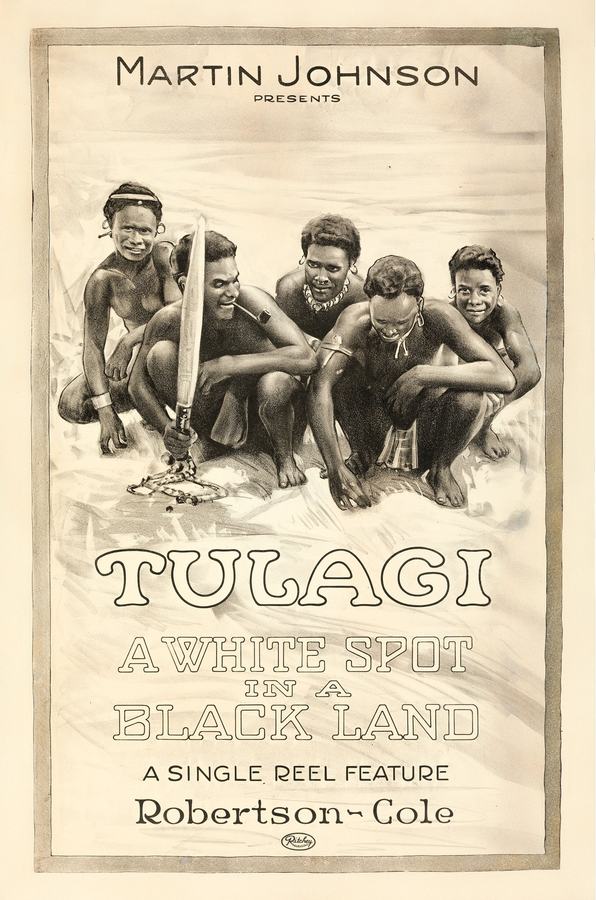
In the evocative, yet profoundly unsettling, cinematic tableau that is 'Tulagi: A White Spot in a Black Land,' we are plunged into the Solomon Islands of the early 20th century, where the arrival of the zealous British missionary, Reverend Alistair Finch, irrevocably fractures the ancient rhythms of the indigenous community of Tulagi. Finch, a man convinced of his divine mandate to 'enlighten' and 'civilize,' establishes a mission, symbolically the 'white spot,' amidst a landscape and culture he perceives as 'black'—both literally in the verdant, shadowed jungle and metaphorically in its spiritual practices. His initial efforts, driven by a paternalistic benevolence, slowly erode the traditional leadership of Chief Kaelo, whose wisdom is rooted in generations of ancestral knowledge and a symbiotic relationship with the land. The film masterfully charts the insidious creep of colonial influence, not through overt violence, but through the subtle imposition of foreign values, the dismantling of communal structures, and the psychological subjugation that accompanies the promise of 'salvation.' As Finch's mission gains adherents, particularly among the younger generation, the delicate social fabric of Tulagi begins to unravel, leading to an agonizing internal schism. The narrative culminates not in a grand confrontation, but in a poignant, almost silent, tragedy: the gradual loss of identity and spiritual autonomy, leaving behind a community irrevocably altered, a 'white spot' that has bleached the vibrant hues of its original existence into a monochrome echo of another world.
Review Excerpt
"
The Echoes of a Fractured Dawn: A Deep Dive into 'Tulagi: A White Spot in a Black Land'
There are films that entertain, and then there are films that confront. 'Tulagi: A White Spot in a Black Land' unequivocally belongs to the latter category, a cinematic experience that doesn't just ask questions but demands a reckoning. From its evocative, almost provocatively charged title, one senses a narrative fraught with tension, a story poised on the precipice of cultural collision. And indeed..."