DbcultAccessing Vault...
Cult Review
Senior Film Conservator
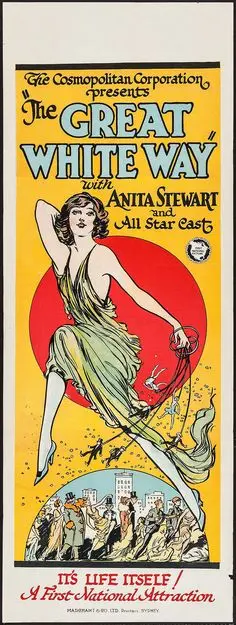
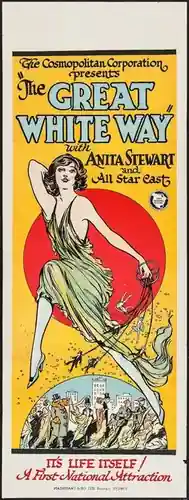
Stepping back into the cinematic landscape of the 1920s, one encounters a fascinating tapestry of ambition, illusion, and burgeoning romance in films like The Great White Way. This particular silent era gem, penned by the collaborative talents of Larry Doyle, Luther Reed, and H.C. Witwer, plunges us headfirst into the glittering, often ruthless, world of Broadway, a realm where public perception is meticulously sculpted and genuine emotion can be both a blessing and a perilous liability. It’s a narrative that, even today, resonates with the eternal struggle between manufactured image and authentic connection, a theme as relevant in the age of silent film as it is in our hyper-connected present. The film’s power lies not just in its dramatic arc but in its ability to capture the zeitgeist of an era defined by rapid change, economic boom, and a relentless pursuit of fame.
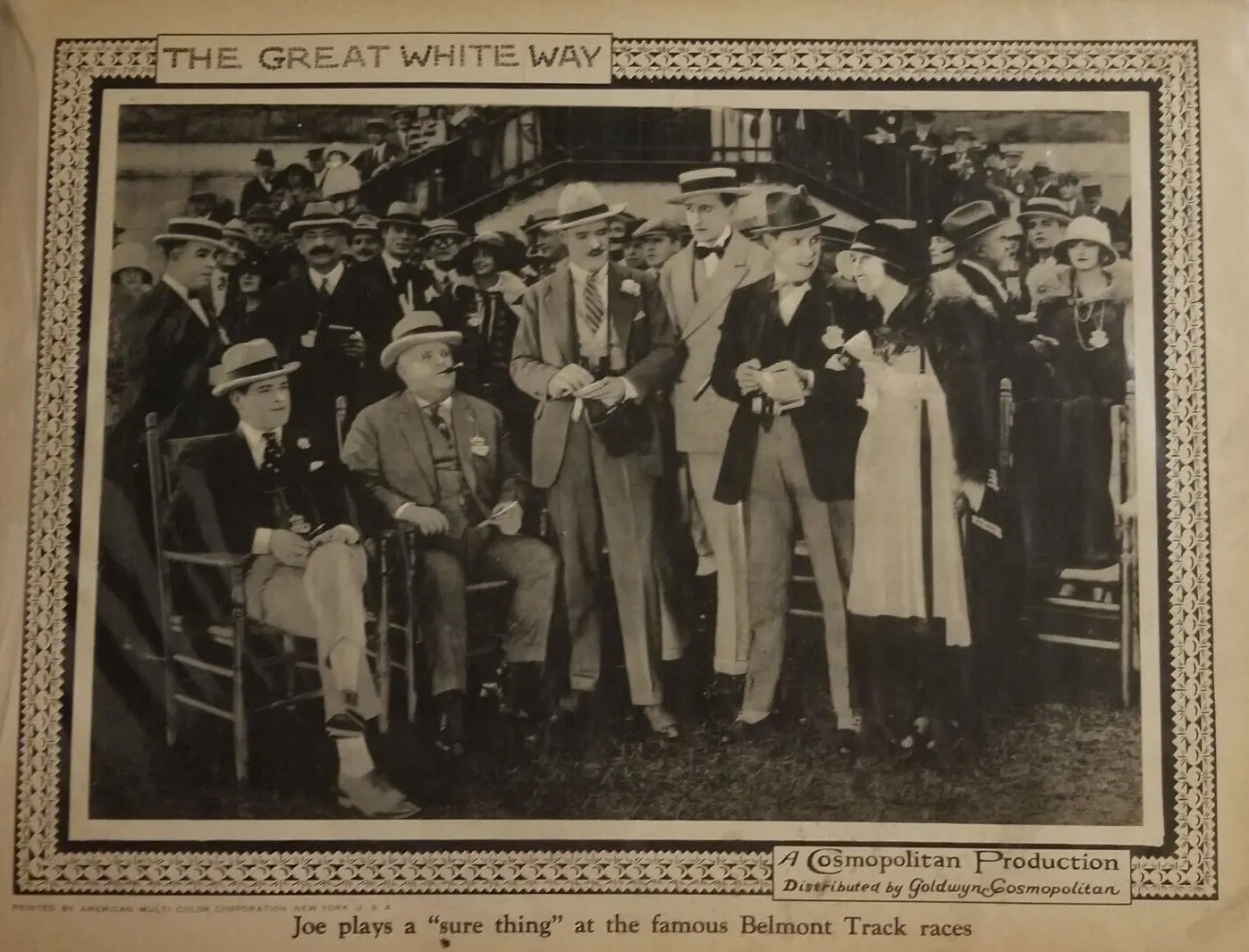
At its core, The Great White Way is a story of a master manipulator, Jack Murray, a press agent par excellence, whose artistry lies in crafting compelling narratives for public consumption. Murray, portrayed with an understated cunning that was typical of the era's character actors, takes on the formidable task of elevating two seemingly disparate clients: Joe Cain, a prizefighter whose brawn and grit are undeniable, and Mabel Vandergrift, a follies dancer whose grace and charm are her currency. His ingenious strategy? To fabricate a torrid, headline-grabbing romance between the boxer and the dancer. This isn't merely a publicity stunt; it's an intricate dance of perception, a calculated gamble designed to catapult both individuals into the pantheon of Broadway’s most talked-about figures. The early scenes, though wordless, paint a vivid picture of Murray’s shrewdness, his knowing glances and conspiratorial gestures hinting at the grand scheme he is setting in motion. It's a testament to the visual storytelling of the period that such complex machinations are conveyed so effectively.
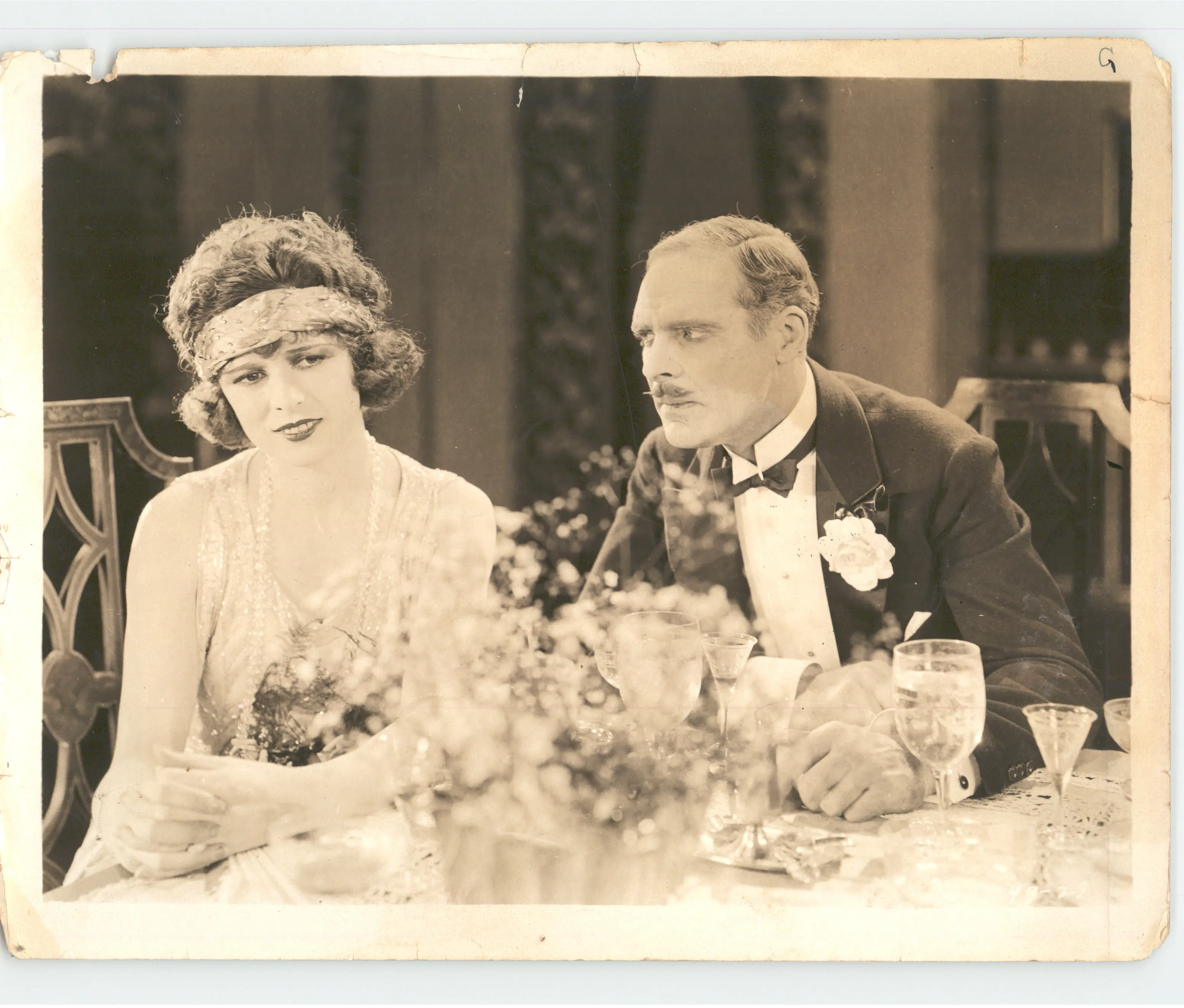
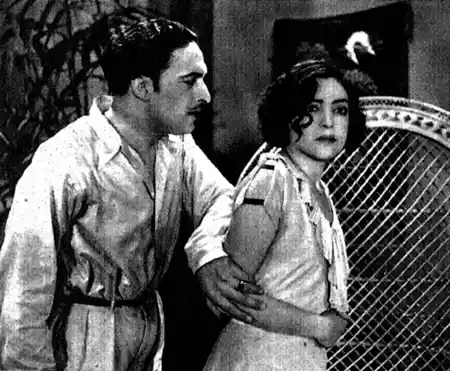
The brilliance, and indeed the dramatic tension, of the film emerges when Murray's carefully constructed artifice begins to unravel in the most unexpected way: Joe and Mabel genuinely fall in love. What started as a staged affair for the tabloids blossoms into a heartfelt connection, a testament to the human spirit's capacity for genuine emotion even amidst the most cynical of circumstances. This pivot from calculated strategy to authentic affection is where the film truly finds its emotional resonance. The performances of the lead actors, particularly Anita Stewart as Mabel, convey this transformation with delicate subtlety, using expressive glances and gestures to communicate the burgeoning depth of their feelings. One can almost feel the shift in their interactions, from posed photographs to stolen moments of genuine tenderness. This unexpected development mirrors the unpredictable nature of life itself, reminding us that even the most meticulously planned schemes can be delightfully derailed by the human heart. It's a trope that has been explored in countless films since, but The Great White Way presents it with a fresh, early cinematic charm, arguably predating many of its more famous successors in exploring the publicity-stunt-turned-real-romance narrative.
However, this blossoming love story is not without its formidable obstacles. The theatrical world, particularly in the Roaring Twenties, was a cauldron of egos, ambition, and often, possessiveness. Enter Morton, the jealous owner of the show, a character whose smoldering resentment casts a long shadow over the lovers' happiness. Morton’s character, likely played by an actor adept at conveying villainy through exaggerated facial expressions and menacing postures characteristic of silent film antagonists, embodies the darker side of the entertainment industry. His threat to close the entire show unless Mabel renounces Joe is a classic melodramatic device, yet it feels genuinely high-stakes within the context of the film. It underscores the precarious position of performers, whose careers could be made or broken by the whims of powerful figures. This element of external threat elevates the personal stakes of Joe and Mabel's romance, transforming it from a mere love story into a battle against a system that seeks to control individual destinies. The tension here is palpable, reminiscent of the dramatic pressures faced by characters in other period pieces focused on the entertainment industry, such as Racing Hearts, where personal desires often clash with professional obligations.
Faced with Mabel's potential ruin and the collapse of the show that has become a symbol of his own success as a press agent, Joe Cain rises to the occasion with a heroic, self-sacrificing act. To save Mabel's career, the livelihoods of countless performers, and his own reputation, Joe makes a bold move: he buys out Morton. But this isn't a simple financial transaction; it's a monumental gamble, one that places his very body and fighting spirit on the line. Joe agrees to fight the reigning English boxing champion, a formidable opponent whose defeat would not only secure the funds necessary to purchase the show but also cement Joe's legacy as a true champion. This climactic boxing match serves as the film's spectacular centerpiece, a quintessential silent film trope that provided audiences with visceral excitement through dynamic staging and rapid-fire editing. The visual storytelling here would have been paramount, with close-ups on the fighters' determined faces, the sweat and strain, and the roaring crowd, all conveying the intensity of the moment.
The boxing sequences in films of this era, while perhaps lacking the sophisticated choreography of modern cinema, were nonetheless powerful. They relied heavily on the physicality of actors like T. Roy Barnes, who likely played Joe Cain with a compelling blend of raw power and underlying vulnerability. The stakes are clear: not just a title, but love, reputation, and the future of a Broadway institution. This narrative choice elevates the film beyond a simple romance or a sports drama, intertwining both genres into a compelling whole. It’s a testament to the era's storytelling prowess that such a high-stakes resolution could be delivered with such impact, even without spoken dialogue. One can imagine the tension building in the darkened theaters as the intertitles flashed, detailing each round and blow, culminating in the triumphant moment. Such dramatic climaxes were a hallmark of many adventure and action films of the period, often serving as a definitive test of character, much like the trials faced by protagonists in films such as The Crimson Gardenia or Not Guilty, where a single decisive act dictates fate.
Naturally, in true cinematic fashion of the period, Joe emerges victorious. His triumph in the ring is not just a personal victory; it is a symbolic defeat of the cynical forces that sought to control his and Mabel's lives. The show is saved, the villain is vanquished, and the lovers are free to pursue their happiness on their own terms. The film concludes with Joe and Mabel, accompanied by Joe's father, leaving the glittering, yet ultimately superficial, world of New York and returning to the West. This geographical shift is deeply symbolic. The West, in American mythology, often represents authenticity, freedom, and a simpler, more honest way of life, a stark contrast to the sophisticated but often duplicitous environment of Broadway. It's a classic cinematic trope of the era, where the purity of the frontier often serves as an antidote to the perceived moral complexities of urban life, a sentiment echoed in many Westerns and romantic dramas of the time, including perhaps even in films like The Arizona Cat Claw, albeit with different narrative specifics.
The ensemble cast, featuring names like Tom Lewis, Pete Hartley, Joe Humphries, Harry Watson, Hal Forde, Frank DeV
IMDb —
1931
Community
Log in to comment.