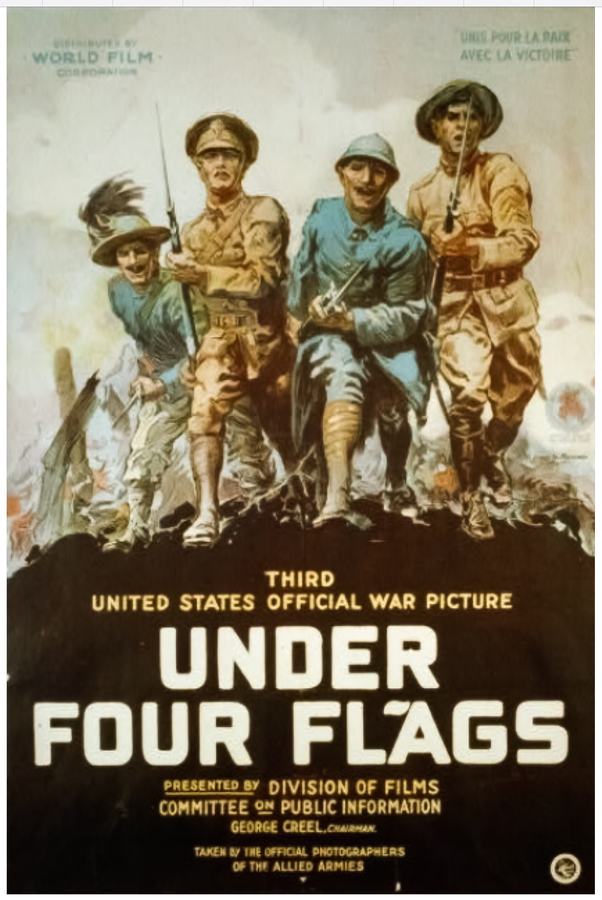
A documentary of the joint effort of four Allied nations in overcoming the armies of Germany in the First World War, from the initial outbreak of war to the celebration of the Armistice, which occurred only six days before this film's release..
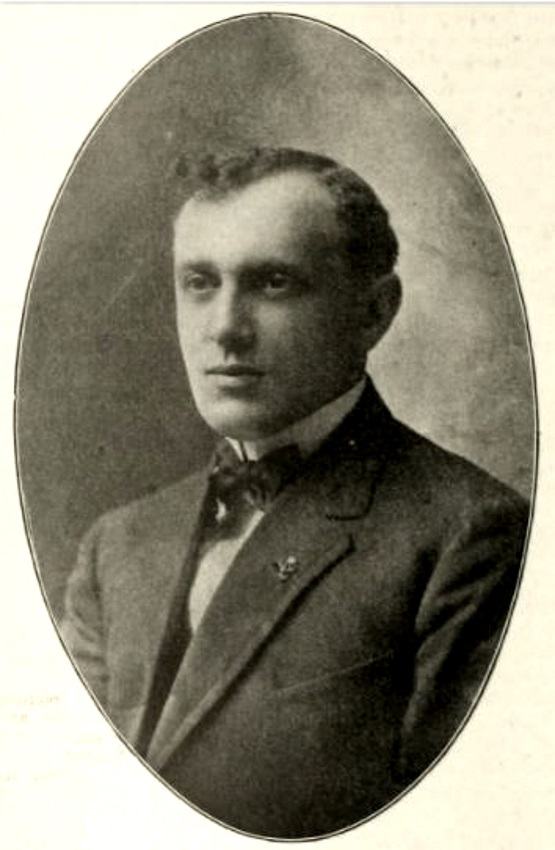
Kenneth C. Beaton
United States
Under Four Flags is less a documentary than a time-capsule heartbeat: you feel the thud before you understand the history. Imagine newsreels not as cold ledger but as arterial spray—every frame pulses with the knowledge that its creators might never see peacetime. Released six days after the Armistice, this 1918 col...
Community
Log in to comment.
" Under Four Flags is less a documentary than a time-capsule heartbeat: you feel the thud before you understand the history. Imagine newsreels not as cold ledger but as arterial spray—every frame pulses with the knowledge that its creators might never see peacetime. Released six days after the Armistice, this 1918 collaboration between Rothafel and Beaton is the cinematic equivalent of a field dressing slapped on a hemorrhaging continent. The footage was shot while the guns still roared; the in..."
Deep dive into the cult classic
Discover similar cinematic experiences
A Directorial Spotlight on S.L. Rothafel
