Japan
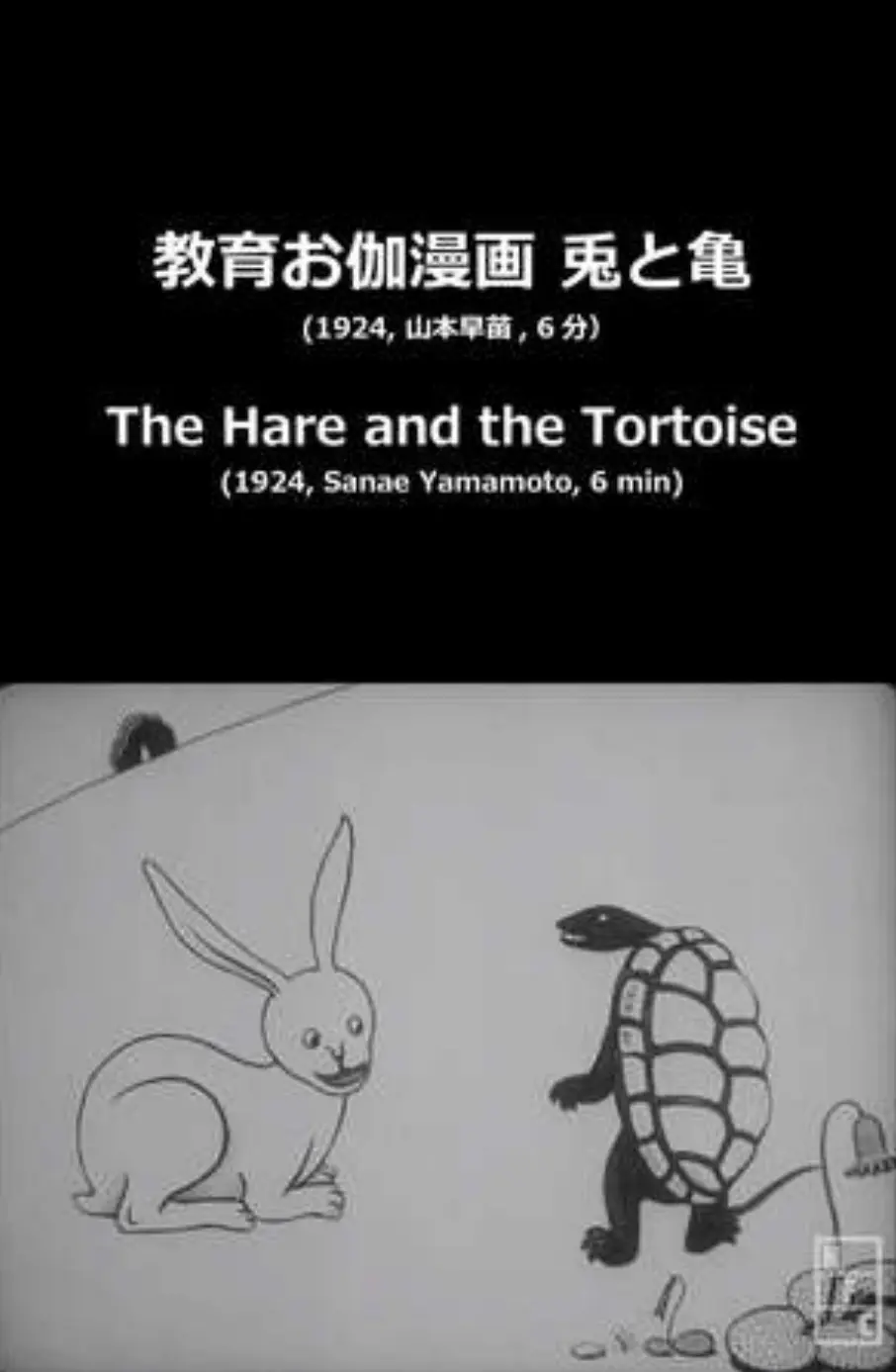
To gaze upon the flickering frames of Usagi to kame is to witness the very heartbeat of a medium in its infancy. Released in 1924, this Japanese animation is not merely a retelling of the tortoise and the hare; it is a foundational pillar of what we now recognize as the global phenomenon of anime. While the West was ...


Comparing the cinematic DNA and archive impact of two defining moments in cult history.
Unknown Director

Unknown Director
Community
Log in to comment.
" To gaze upon the flickering frames of Usagi to kame is to witness the very heartbeat of a medium in its infancy. Released in 1924, this Japanese animation is not merely a retelling of the tortoise and the hare; it is a foundational pillar of what we now recognize as the global phenomenon of anime. While the West was preoccupied with the slapstick antics of Felix the Cat, the artisans in Japan were experimenting with a visual language that blended traditional woodblock aesthetics with the burge..."