Summary
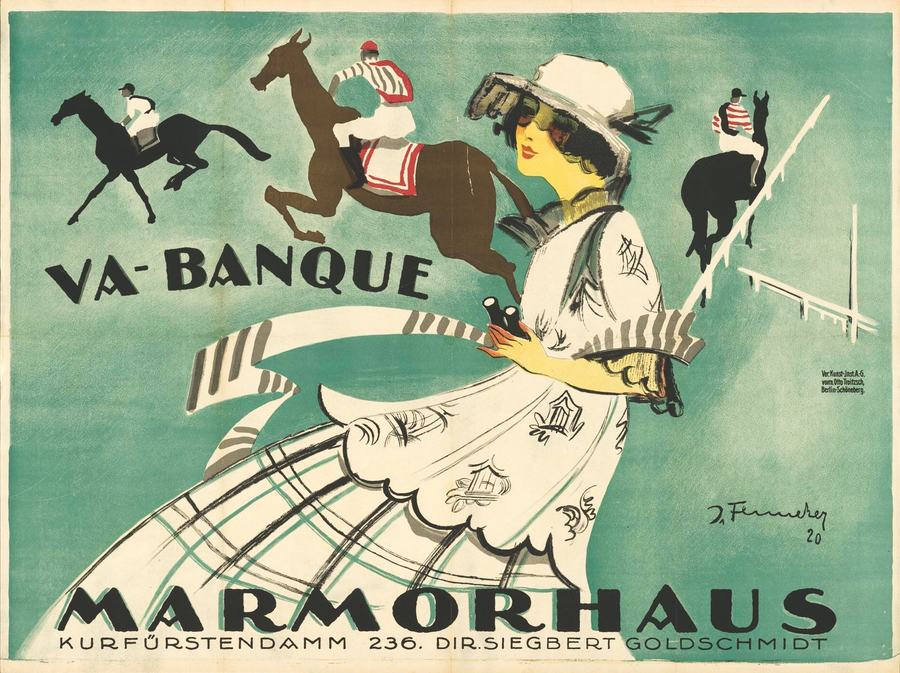
Berlin,1924: a city still exhaling the gunpowder of war and inhaling the neon of speculation. Into this fever dream strides Felix von Mühlen, a battle-scarred cavalry officer turned cardsharp whose monocle reflects both chandelier glare and the abyss. Georg Jacoby’s camera stalks him through smoky basements where champagne flutes clink like sabres and the air tastes of cocaine and counterfeit dollars. Felix plays baccarat with the same suicidal elegance he once led charges, staking everything on the turn of a single card—his va banque. Around the green felt orbit the damned: Erich Pobst’s industrialist whose factories rot while his roulette stakes rise; Edith Meller’s cabaret siren whose mascara can’t hide the bruise of bankruptcy; Fritz Kortner’s Dr. Kassner, a morphine-addicted psychiatrist scribbling diagnoses on cigarette papers, convinced the soul is just another liability. Between hands, flashbacks splinter the night: muddy trenches, a brother’s eyes frozen in disbelief, the moment Felix traded honour for survival. The plot coils like smoke—each win tightens the noose, each loss loosens the mind. When Felix courts the banker’s wife on a wager, the stakes metastasise into heartbeats; when he exposes a rigged deck, the underworld retaliates by kidnapping the only woman who ever called his bluff—his estranged daughter, Lola, pawned by her bankrupt mother. The finale unfolds on a railway siding: dawn the colour of spilt blood, steam ghosts, a valise stuffed with forged bearer bonds. Felix must choose—board the express to Amsterdam and freedom, or walk back into the gambling den where Lola’s life is ante. He pushes every chip forward, flips the final card: a queen of spades winking like the grave. The screen smash-cuts to white, a gunshot echoing over black frames. No subtitles explain; only the rustle of a falling card remains.
Review Excerpt
"
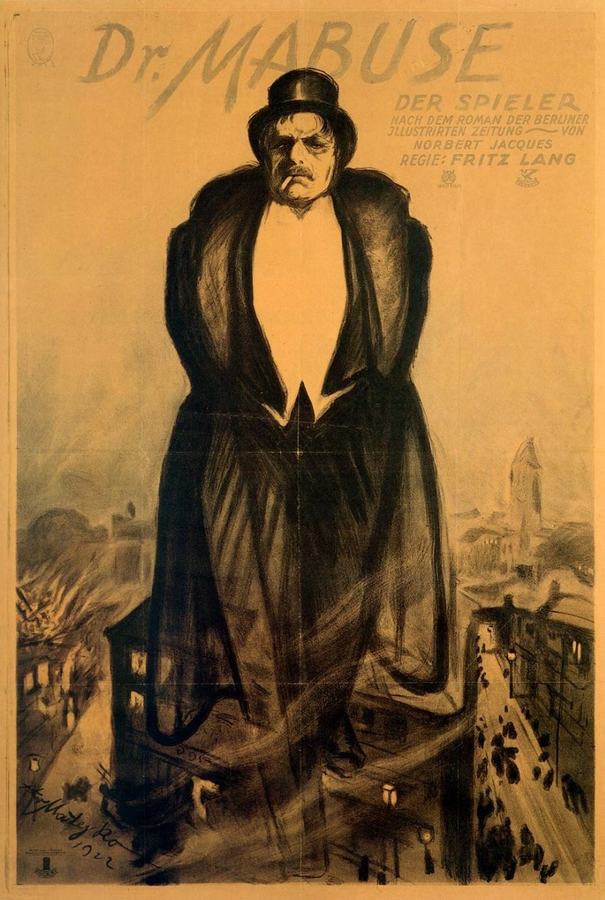
There is a moment—easy to miss yet impossible to forget—when Felix von Mühlen, cheekbones sharp enough to slice the cigarette smoke, flicks ash onto a parquet floor already littered with losing tickets. The camera, drunk on kerosene light, tilts twenty degrees, as if the entire Weimar Republic were sliding into the gutter. That tilt is why Va Banque still matters. While Lang’s Dr. Mabuse hypnotised audiences with supervillain bombast, Jacoby offered something more lethal: intimacy. You don’t w..."