DbcultAccessing Vault...
Cult Review
Senior Film Conservator
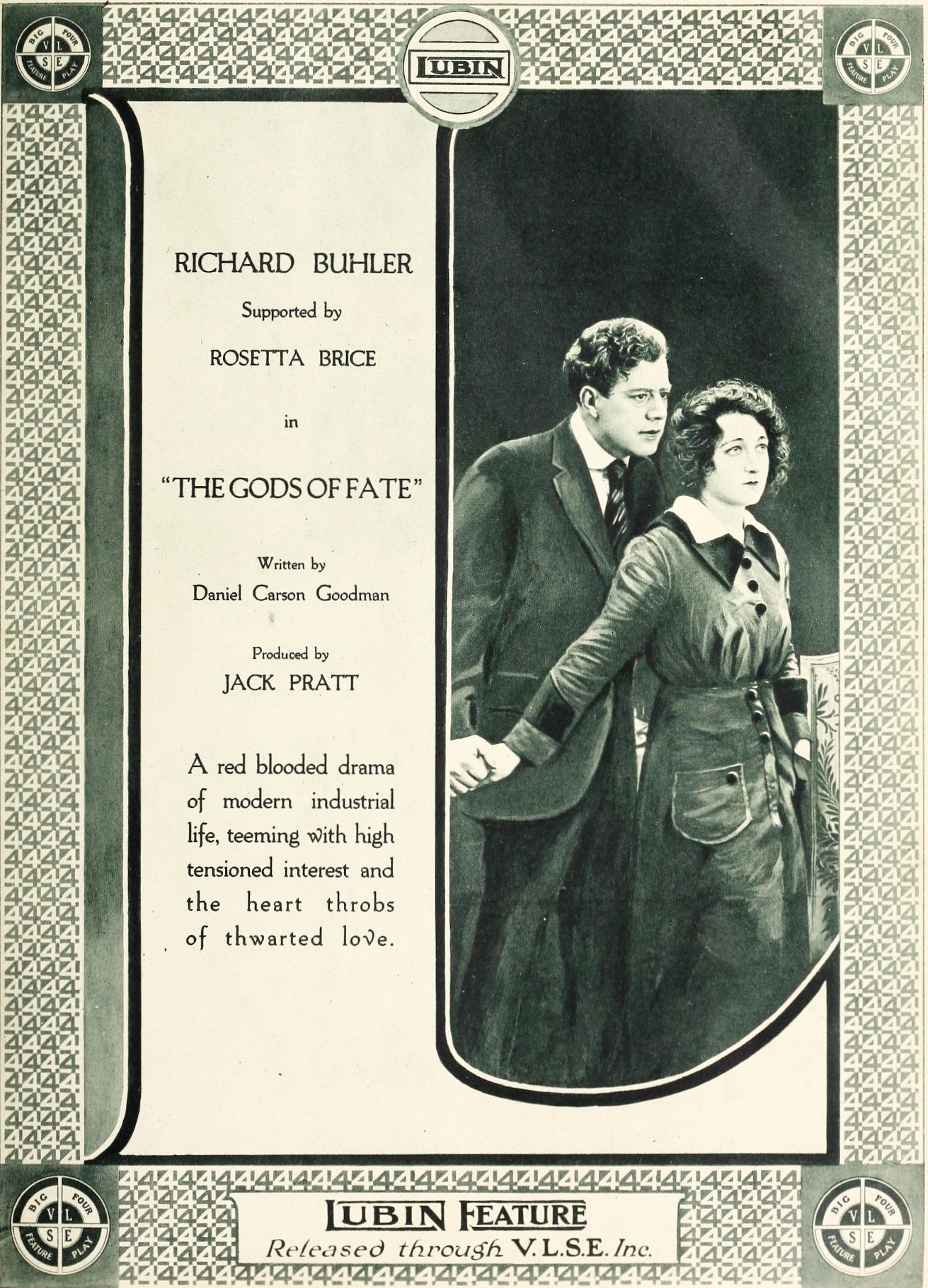
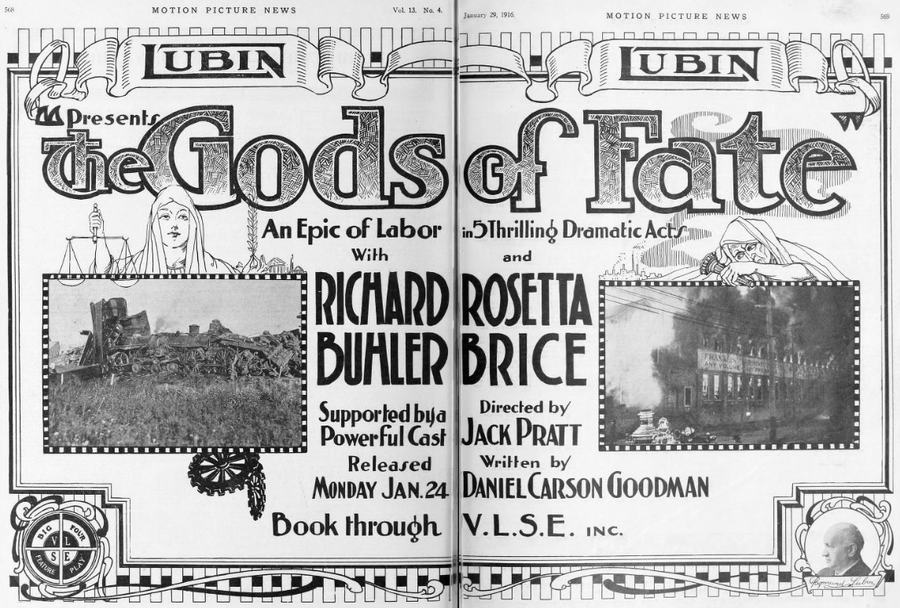
The cinematic landscape of 1916 was one of burgeoning complexity, a period where the primitive techniques of the early screen were evolving into the sophisticated visual language of melodrama. The Gods of Fate, penned by the astute Daniel Carson Goodman, stands as a quintessential artifact of this transition. It is a film that grapples with the burgeoning industrial anxieties of the early 20th century, wrapping them in a shroud of familial betrayal and karmic retribution. Unlike the whimsical escapism of The Beloved Vagabond, which sought beauty in the periphery of society, this film plunges headlong into the dark heart of the American corporate and domestic psyche.
At the epicenter of this narrative vortex is John Miller, portrayed with a nuanced blend of ambition and eventual frailty. The theft of George Estey’s invention is not merely a plot point; it is a profound ontological shift. Miller transitions from a friend to a parasite, a transformation that mirrors the socio-economic shifts seen in other contemporary works like The Pride of the Firm. The brilliance of Goodman's writing lies in the delayed onset of Miller’s guilt. He does not repent immediately; he builds an empire first. The adoption of Jane is a fascinating psychological maneuver—a living, breathing monument to his crime that he keeps close, perhaps as a form of daily flagellation or a misguided attempt at cosmic balance.
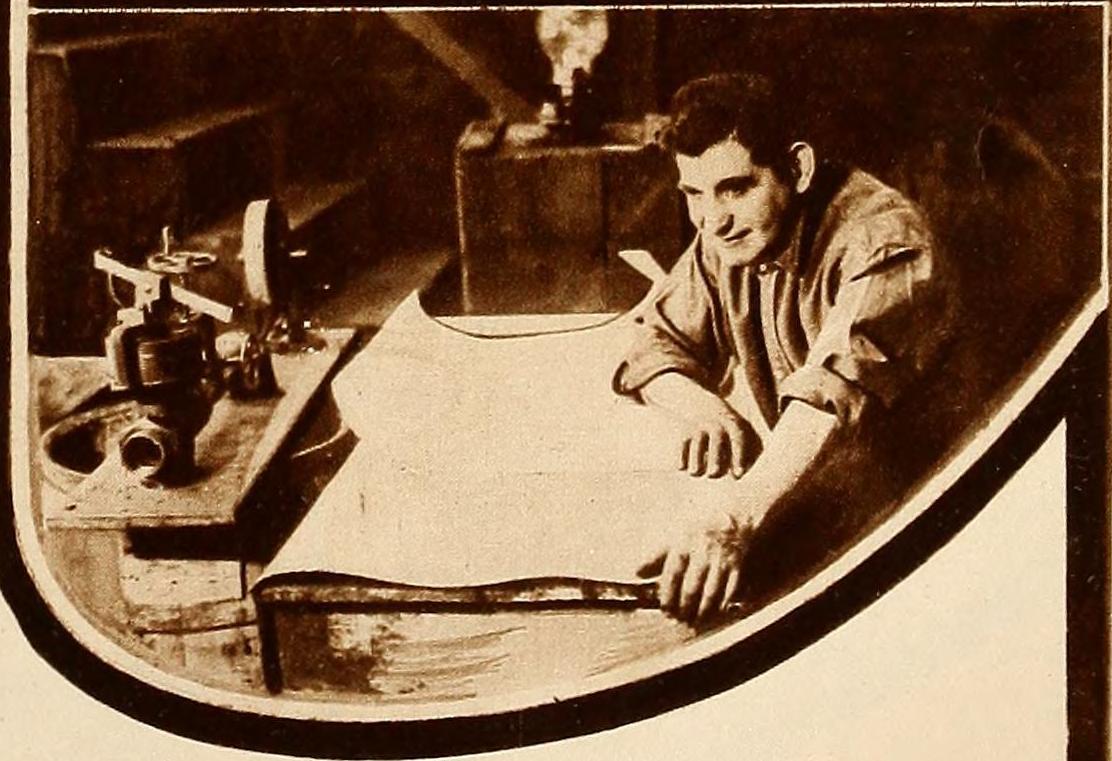
The visual storytelling here utilizes the limitations of the silent era to amplify the internal turmoil. The lingering shots of the blueprints, the stark contrast between the industrial wealth and the domestic tension, all serve to illustrate a life bought with a stolen soul. This thematic depth rivals the psychological complexity found in The Case of Becky, where identity is a fluid and often dangerous construct. Miller’s eventual deathbed confession is the ultimate subversion of the paternal role, transforming his legacy from one of protection to one of total exposure.
If John Miller represents the original sin of theft, his son Kent embodies the rot of inherited entitlement. Kent is the quintessential villain of the silent era—not because he is cartoonishly evil, but because he is a byproduct of a system that values wealth over merit. His character stands in stark opposition to the protagonists of Arizona, who often find redemption through struggle. Kent’s demand for Jane’s hand in marriage is not driven by affection but by a desperate need to maintain the financial status quo. It is a transactional view of human relationships that feels chillingly modern.
The conflict between Kent and Gordon provides the film's primary dramatic friction. Gordon, the 'other' brother, represents the moral antithesis to Kent’s greed. While Kent seeks to hoard the invention’s wealth through a forced union, Gordon seeks to liberate Jane, even if it means dismantling the family fortune. This dichotomy between the two brothers serves as a microcosm for the broader societal struggles of the era—the tension between the old guard of predatory capitalism and a newer, more ethical framework of social responsibility. One might find echoes of this fraternal strife in the grander, more ancient conflicts of Spartacus, though scaled down to the claustrophobic confines of a wealthy estate.
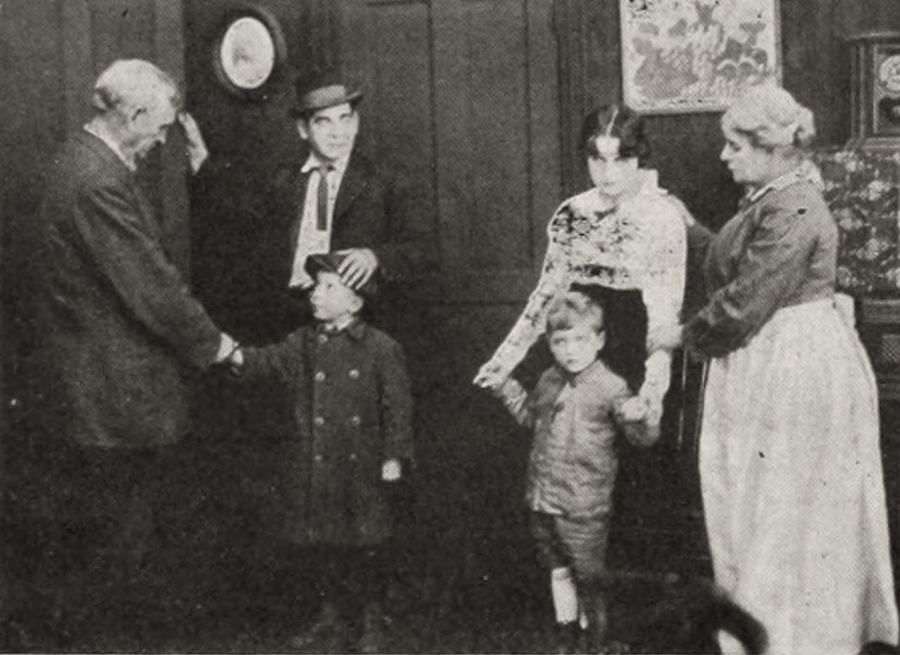
Inez Buck’s performance as Jane is the emotional anchor of the film. She navigates the transition from a beloved daughter to a victim of a colossal lie with a grace that avoids the pitfalls of over-the-top pantomime. Her journey is one of reclamation—not just of her father’s invention, but of her own history. In an era where female protagonists were often relegated to the role of the damsel, Jane’s eventual legal and moral victory is a refreshing assertion of agency. This trajectory of female empowerment is far more pronounced here than in the more traditional narratives of Arms and the Woman.
The revelation of her true identity serves as a narrative explosion that levels the playing field. The invention, which had been a source of unearned luxury for the Millers, becomes the instrument of their undoing. The film meticulously tracks the shift in power dynamics, culminating in the failed assassination attempt by Kent. This sequence is directed with a surprising amount of tension, utilizing shadow and pacing to heighten the stakes. It lacks the satirical edge of It's No Laughing Matter, opting instead for a gritty, high-stakes realism that was quite advanced for 1916.
While the director’s name is often overshadowed by the writer Daniel Carson Goodman in historical records, the visual execution of The Gods of Fate is remarkably disciplined. The use of interior spaces to reflect the psychological entrapment of the characters is particularly effective. The library, where the will is read, becomes a courtroom; the laboratory, where the invention was stolen, becomes a site of haunting memory. This use of space to convey narrative weight is a technique also explored in the Danish production Den sorte Varieté, showing the international cross-pollination of cinematic techniques during this era.
The pacing of the film is deliberate, allowing the weight of John Miller’s secret to fester before the final act’s explosion of violence and justice. This slow-burn approach is a testament to the confidence of the filmmakers, who understood that the true horror of the story lay not in the murder attempt, but in the years of quiet, systemic deception that preceded it. The film avoids the melodramatic excesses of Satan Sanderson, choosing instead a path of somber reflection on the nature of legacy and the impossibility of truly escaping one’s past.
The resolution of The Gods of Fate is deeply satisfying, not because of the romantic union between Jane and Gordon, but because of the restoration of the natural order. The invention, the fruit of George Estey’s intellect, is finally returned to his lineage. This focus on intellectual property and the rights of the creator is a fascinatingly modern theme for a film from the mid-1910s. It touches upon the same philosophical questions of existence and ownership found in the Eastern classic Zhuangzi shi qi, albeit through a Western, capitalist lens.
The arrest of Kent is the final cleansing of the Miller household. The money, which had been a curse, is finally repurposed through Jane’s rightful ownership. The film ends on a note of cautious optimism, suggesting that while the 'Gods of Fate' may allow injustice to flourish for a time, the arc of the moral universe eventually bends toward justice. This thematic resonance is what allows the film to transcend its silent-era trappings and remain a compelling watch for contemporary audiences interested in the intersection of ethics and industry.
In comparison to other films of the period, such as Gloriana or A Daughter of Australia, The Gods of Fate feels more grounded in a recognizable reality. It eschews grand historical spectacles or exotic locales in favor of a domestic drama that is universal in its implications. The performances by the ensemble cast, including Francis Joyner and Herbert Corthell Jr., are disciplined and effective, ensuring that the film’s message is never lost in theatrical flourish. It is a stark, powerful reminder that the ghosts of our past actions are never truly laid to rest until the truth is brought into the light.
To view The Gods of Fate today is to witness the birth of the corporate thriller. It possesses a narrative sophistication that belies its age, handling complex themes of guilt, identity, and social justice with a steady hand. While it may not have the mythological scale of Mohini Bhasmasur or the visceral impact of The Last of the Mafia, its strength lies in its intimate portrayal of a conscience in crisis. It is a vital piece of cinematic history that deserves recognition for its contribution to the evolution of the narrative film, proving that even in the silent era, the most powerful stories were those that spoke to the eternal struggle between our lowest impulses and our highest aspirations.
Reviewer Note: This analysis considers the cultural impact and narrative structure of the 1916 production. The film’s exploration of legal restitution and familial duty remains a benchmark for early 20th-century screenwriting.
IMDb —
1919
Community
Log in to comment.