DbcultAccessing Vault...
7.2/10
Senior Film Conservator
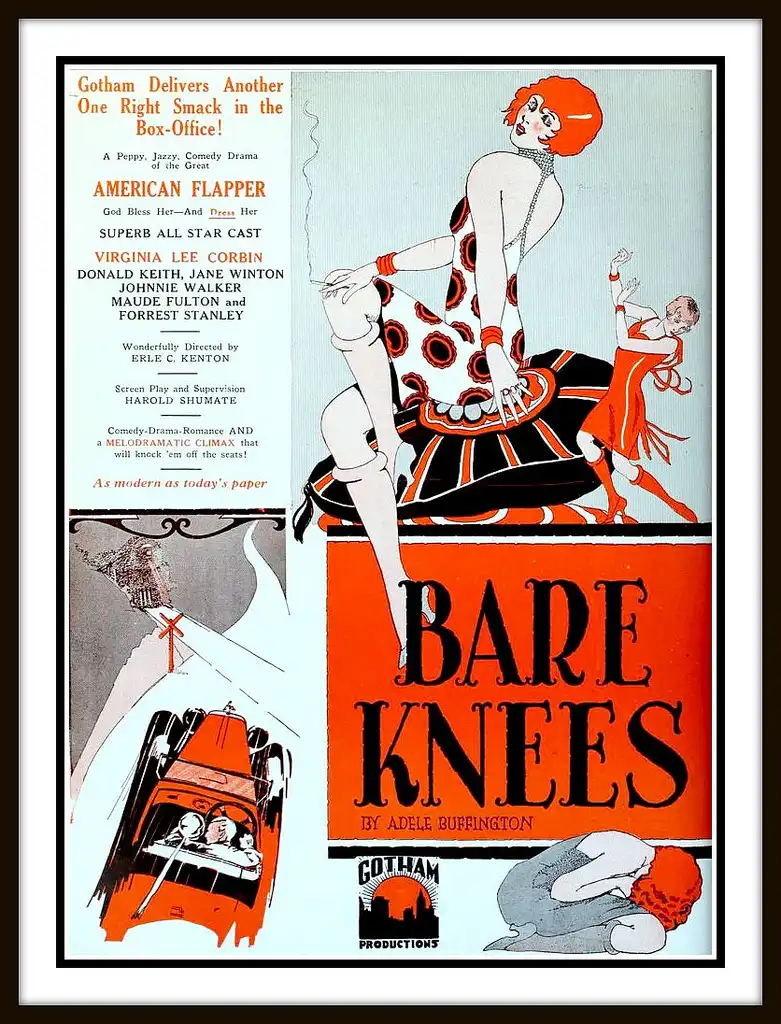
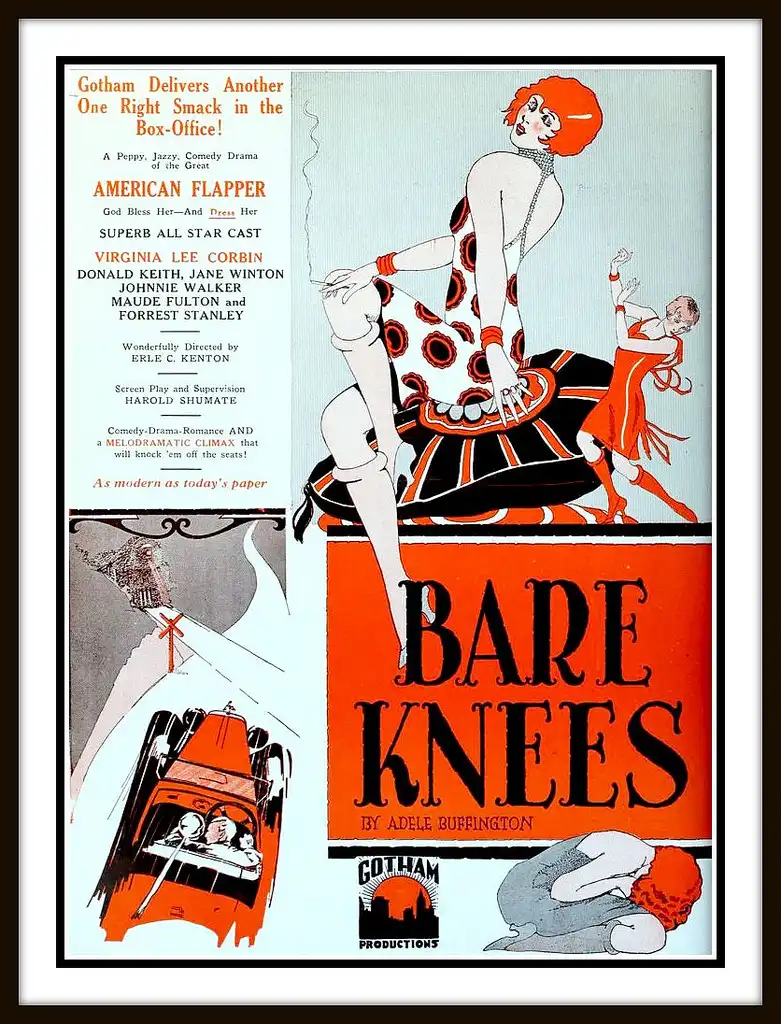
A definitive 7.2/10 rating for a film that redefined the boundaries of cult cinema. Bare Knees remains a cornerstone of transgressive art.
For modern audiences accustomed to rapid pacing and nuanced character work, 1928's Bare Knees will likely feel like a quaint, often plodding artifact. However, for those with a genuine interest in silent cinema, early portrayals of the 'flapper' phenomenon, or the social anxieties of the late 1920s, it offers a surprisingly candid, if heavy-handed, look at generational and moral clashes. It’s certainly not a film for a casual Friday night viewing, but as a historical document of evolving social norms and filmmaking techniques, it holds a particular, niche appeal. If you appreciate the dramatic conventions of the era and can forgive its structural limitations, there's insight to be found here. If you prefer your social commentary delivered with subtlety or your dramas with less overt moralizing, you'll likely find it a frustrating watch.

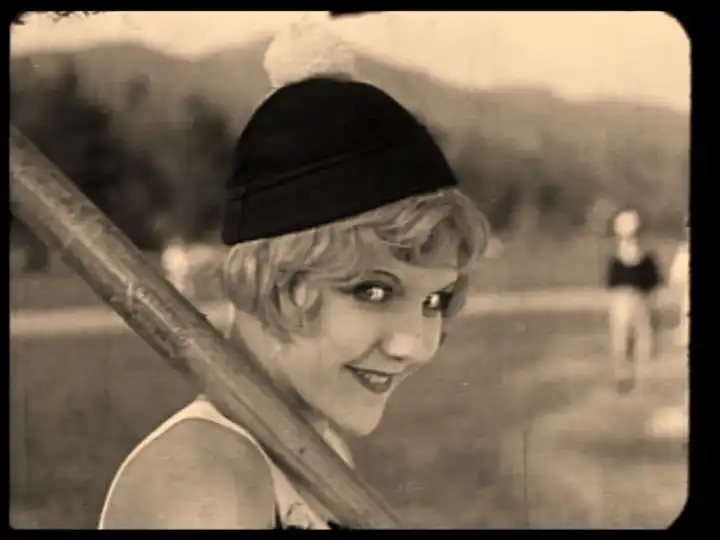
The film’s dramatic core rests on the contrast between its two leading ladies. Virginia Lee Corbin, as Betty, embodies the titular 'flapper' with a vibrant energy that occasionally feels like a performance of a type rather than a fully realized character. Her bobbed hair and short skirts are constantly on display, often with a slight, knowing smirk that conveys both defiance and a touch of self-consciousness. There's a particular scene where she’s dancing with a local man, and her movements, while exaggerated for the silent screen, capture a sense of unbridled, almost reckless joy that genuinely feels liberating against the stuffy backdrop of the town. However, the film rarely allows her to delve beyond this surface-level exuberance, keeping Betty more of a catalyst than a deep psychological study.
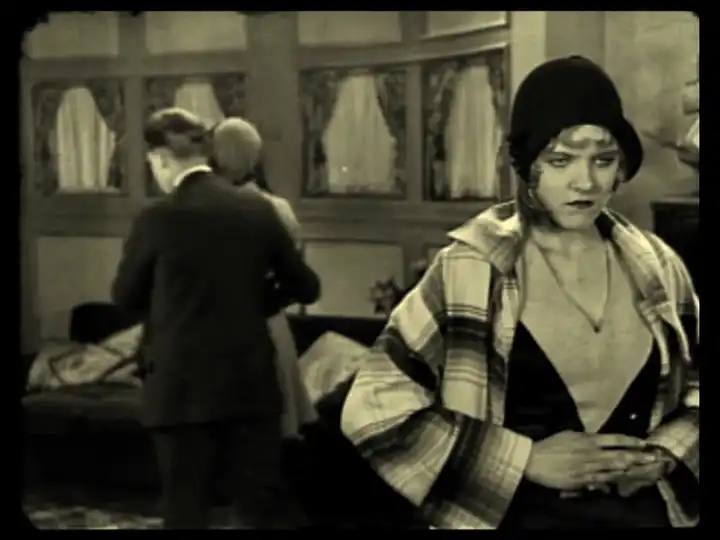
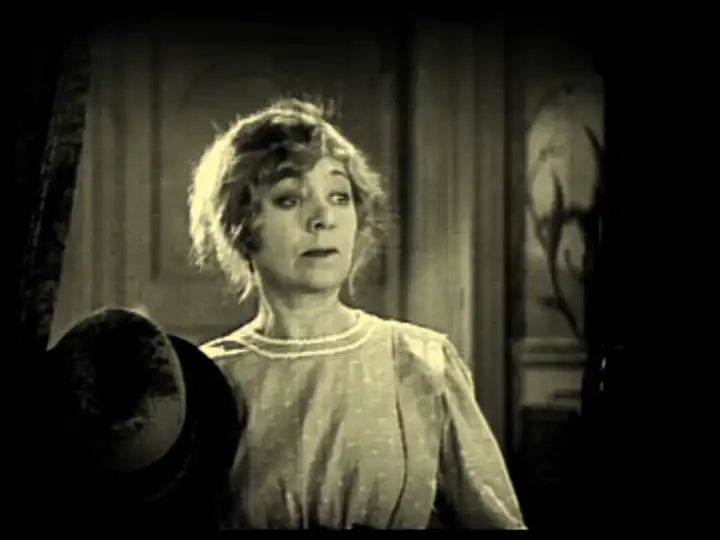
Maude Fulton, playing the older, married sister, also named Maude (a slight confusion, but manageable), delivers a more grounded, if often mournful, performance. Her character is initially stifled, and Fulton conveys this through a perpetual slight slump in her shoulders and eyes that frequently dart with an underlying anxiety. Her transformation from a downtrodden wife to a woman seeking independence is the film's more compelling arc, even if the execution is somewhat rushed. The moment she confronts her boorish husband, played with suitable gruffness by William H. O'Brien, there’s a flicker of genuine defiance in her eyes that transcends the often-melodramatic gestures common to the era. It’s a small, quiet shift, but it lands with more impact than many of the broader, more theatrical moments.
The supporting cast largely serves as a Greek chorus of small-town disapproval. Ellinor Vanderveer, as one of the town's prominent gossips, delivers some wonderfully exaggerated scowls and knowing glances that perfectly encapsulate the judgmental spirit of the community.
Bare Knees moves at a pace that is deliberate, even by silent film standards, and this can be its undoing. The initial setup, establishing the small town's conservative nature and Betty's arrival, takes its time. There are numerous reaction shots of townspeople whispering and staring, which effectively convey the pervasive judgment, but also contribute to a sense of repetition. While important for immersion, some of these moments linger a beat or two longer than necessary, particularly during the early scenes of Betty's first outings.
The tone shifts somewhat awkwardly between lighthearted social commentary and earnest melodrama. The film clearly aims to critique the hypocrisy of small-town morality, but it often does so by presenting the 'flapper' lifestyle as undeniably provocative, almost inviting the very judgment it seeks to expose. The intertitles, while generally functional, occasionally lean into a moralizing register that feels less like objective storytelling and more like a cautionary tale. The dramatic pivot of Maude leaving her husband, while understandable from a character perspective, feels abrupt, almost as if the film itself is eager to rush to its more sensational plot points after dwelling on the initial scandal.
Visually, Bare Knees is a product of its time, relying on relatively static camera work and functional lighting. However, there are moments where specific visual choices enhance the narrative. The close-up on Betty's carefully rolled stockings just below the knee, held for a beat too long as she steps off the train, immediately establishes the film's central conflict not through dialogue, but through a deliberate visual challenge to the small-town sensibilities. It's a precise, almost provocative shot that cuts straight to the heart of the film's title and premise.
Costume design, naturally, plays a crucial role. Betty's outfits—short, often sleeveless dresses with dropped waists—stand in stark contrast to the longer skirts and more modest attire of Maude and the other townswomen. This visual dichotomy is constantly reinforced through framing, often placing Betty at the center of a group of disapproving onlookers, her modern silhouette stark against their more traditional forms. The film effectively uses crowded town square scenes and church gatherings to highlight this visual tension, making Betty’s presence a disruptive force in every frame she occupies.
Bare Knees is not a lost masterpiece, nor is it a film that will resonate widely with contemporary audiences. Its value lies primarily as a document of its time, a window into the social tremors of the late 1920s as traditional values clashed with the emerging freedoms of the jazz age. While it suffers from a deliberate pace and a tendency towards overt melodrama, it occasionally sparks with genuine visual commentary and a few compelling performances. For silent film aficionados, film historians, or those specifically curious about the cultural phenomenon of the flapper, it's worth seeking out. For everyone else, its dated conventions and lack of modern narrative sophistication will likely prove too much of a barrier.
IMDb —
1919
Community
Log in to comment.