Australia
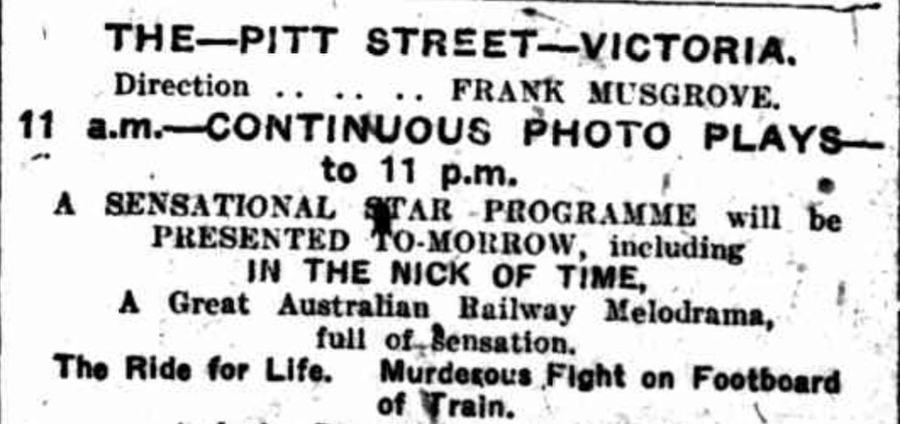
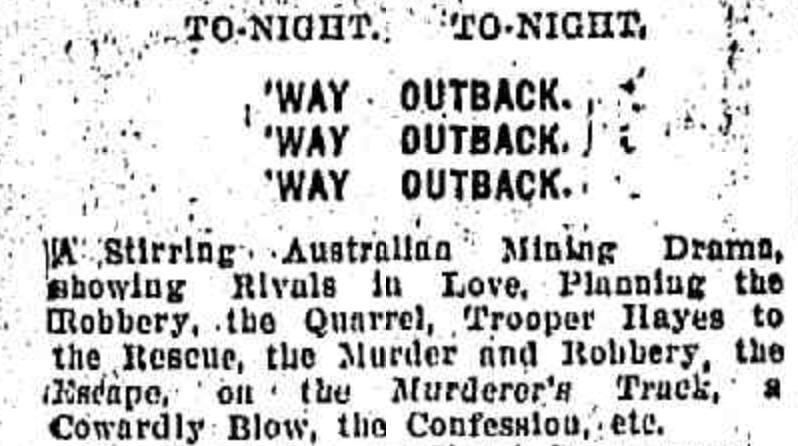
The Dawn of the Antipodean Lens: Analyzing Way Outback To understand the cinematic heritage of the southern hemisphere, one must grapple with the dusty, flickering frames of 1911. Way Outback stands as a monumental, if often overlooked, pillar of early Australian narrative filmmaking. While the global stage was bec...
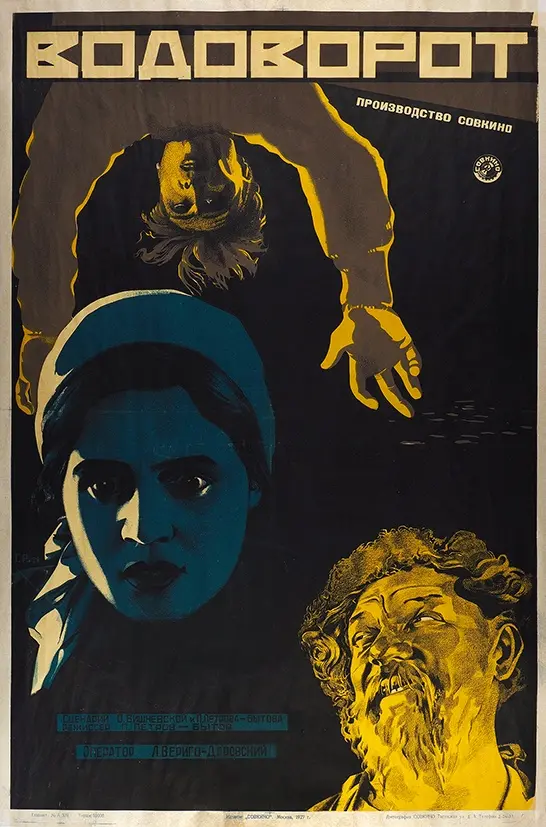
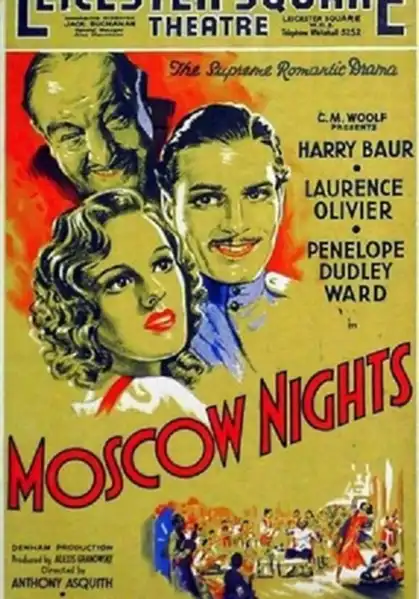
Comparing the cinematic DNA and archive impact of two defining moments in cult history.
Alfred Rolfe

Alfred Rolfe
Community
Log in to comment.
" The Dawn of the Antipodean Lens: Analyzing Way Outback To understand the cinematic heritage of the southern hemisphere, one must grapple with the dusty, flickering frames of 1911. Way Outback stands as a monumental, if often overlooked, pillar of early Australian narrative filmmaking. While the global stage was becoming increasingly dominated by the sophisticated religious epics like The Life and Passion of Jesus Christ or the literary adaptations of Anna Karenina, the Australian film indust..."