DbcultAccessing Vault...
6.7/10
Senior Film Conservator
A definitive 6.7/10 rating for a film that redefined the boundaries of cult cinema. The Whispering Chorus remains a cornerstone of transgressive art.
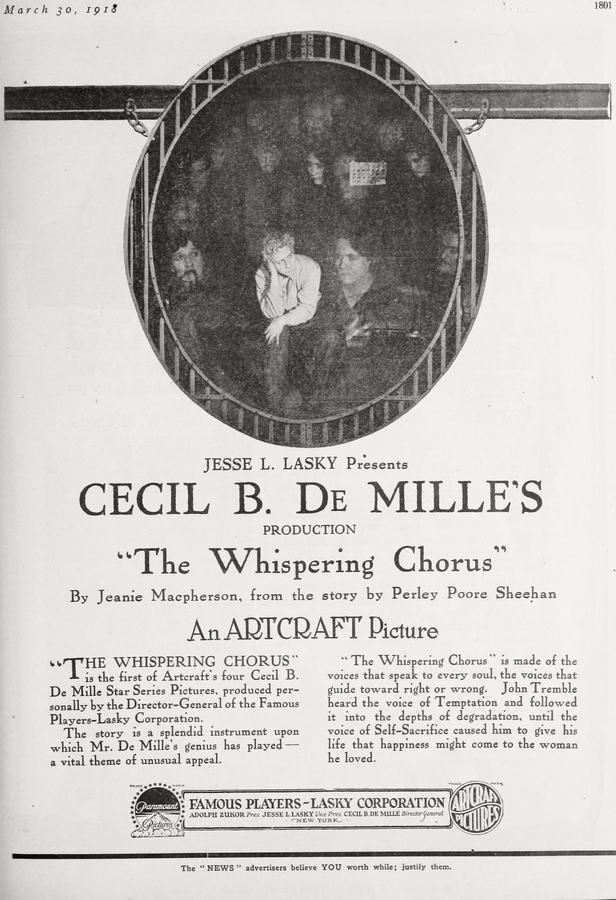
In the annals of early American cinema, amidst the burgeoning artistry of a nascent industry, a film emerges from the silent era with an emotional resonance that defies the passage of a century. Cecil B. DeMille’s 1918 masterpiece, The Whispering Chorus, is not merely a historical artifact; it is a profound psychological drama, an intricate tapestry woven with threads of identity, guilt, and the devastating consequences of moral compromise. Long before his name became synonymous with grand biblical epics, DeMille honed his craft in these more intimate, yet equally ambitious, melodramas, exploring the dark undercurrents of the human condition with a visual flair that was both innovative and deeply affecting. This film stands as a testament to the power of silent storytelling, where every gesture, every flicker of an eye, and every carefully composed frame speaks volumes, inviting the audience into a maelstrom of ethical quandaries and heart-wrenching sacrifice.
At its core, The Whispering Chorus unravels the tragic trajectory of John Trimble, portrayed with a compelling blend of desperation and resignation by Elliott Dexter. Trimble, a man whose moral compass has been irrevocably skewed by ambition and financial strain, succumbs to the irresistible temptation of embezzlement. His crime, a solitary act of betrayal, sets in motion a chain of events that will ultimately consume him. The weight of his transgression, coupled with the imminent threat of exposure, drives him to conceive a desperate, macabre scheme: to fake his own death. This isn't merely a disappearance; it's an elaborate, chilling charade involving the gruesome substitution of a mutilated cadaver for his own, an act designed to erase his past and forge a new, unburdened existence. The sheer audacity of this deception, the cold calculation required to orchestrate such a gruesome tableau, immediately establishes the film's dark and morally complex landscape.
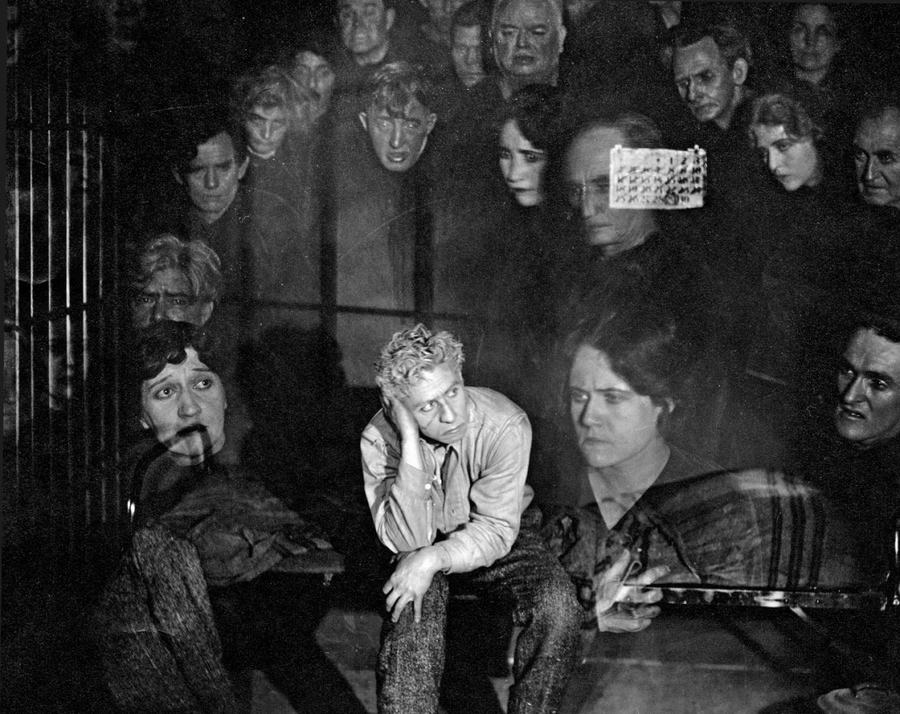
However, fate, in its cruel and ironic wisdom, is not so easily outwitted. Trimble's meticulously planned escape from his former self proves to be a temporary reprieve. He is, in a twist of profound dramatic irony, arrested for the very murder he so meticulously staged—the murder of John Trimble. The ensuing trial becomes the crucible in which his false identity is tested, and his conscience, long suppressed, begins its agonizing reawakening. This narrative device, where a man is charged with killing the person he once was, is a masterful stroke, forcing both the character and the audience to grapple with the philosophical implications of identity and culpability. Is he guilty of murder if the victim is, in essence, himself? The film transcends a simple crime drama, delving into the existential quandary of whether one can truly escape the person they once were, or if the past, like a relentless specter, will always demand its due.
The courtroom scenes, though silent, are imbued with an unbearable tension, each intertitle a hammer blow, each facial expression a silent scream. It is here that the film reaches its emotional zenith, propelled by the extraordinary performance of Kathlyn Williams as Trimble's mother. Her character, a figure of profound maternal devotion, carries the crushing weight of her son's secret. In a moment of supreme sacrifice, before succumbing to the shock and grief that tear at her very being, she makes a desperate, dying plea. She implores John to maintain his fabricated identity, not for his own salvation, but to protect the fragile happiness of his wife, who, unbeknownst to her, has rebuilt her life. This act of self-immolation, a mother's ultimate protective gesture, elevates the film from a mere tale of crime and punishment to a poignant exploration of selfless love and the devastating ripple effects of one man's choices.
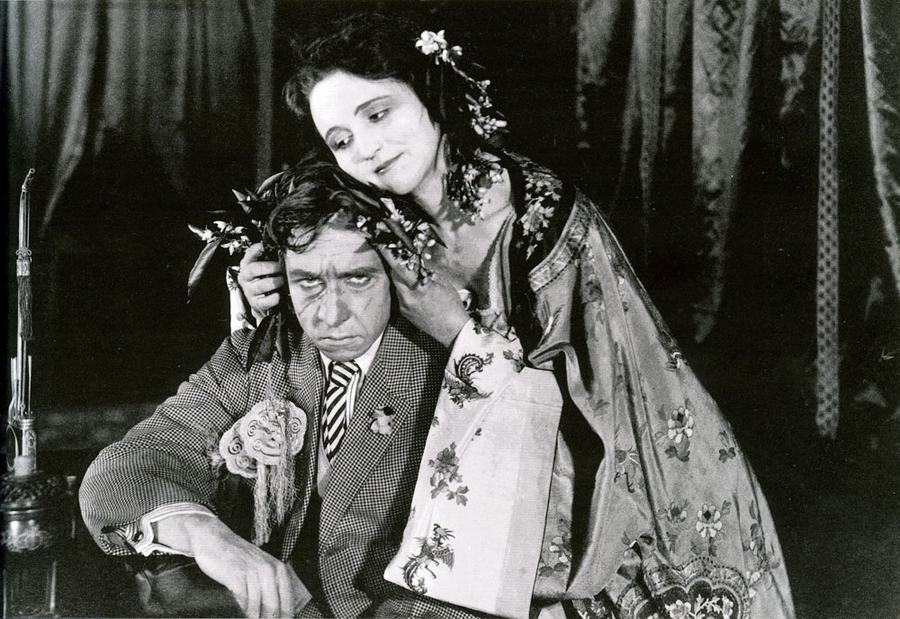
The wife, portrayed with an affecting innocence by Edna Mae Cooper, is now married to the Governor and expecting a child. Her nascent joy, ironically predicated on the supposed death of her first husband, forms the tragic counterpoint to John's suffering. This intricate web of deception and unwitting happiness is a narrative triumph, highlighting the impossible choices and moral dilemmas that define the human experience. The film, in its quiet power, forces us to confront questions of sacrifice: what is the true cost of peace, and can happiness built on a lie ever truly be untainted? The theme of profound maternal sacrifice resonates deeply, echoing the emotional core found in other films exploring similar devotion, such as The Eternal Mother, where the lengths a mother will go to for her child's well-being are similarly explored with harrowing intensity. The wife's new life, built on a foundation of unknowing, also brings to mind the poignant ironies present in films like His Wife, which often delve into the complexities and secrets inherent in marital bonds during the silent era.
Cecil B. DeMille, even in his early silent features, demonstrates a directorial prowess that was far ahead of its time. His ability to weave complex narratives with compelling visual language is evident throughout The Whispering Chorus. DeMille masterfully employs close-ups to magnify the internal turmoil of his characters, allowing the audience to intimately connect with their despair, guilt, and fleeting moments of hope. His use of dramatic lighting, a hallmark of the era, sculpts faces and environments, creating stark contrasts that underscore the moral ambiguities at play. Shadows deepen the sense of dread, while shafts of light occasionally pierce the gloom, perhaps hinting at a momentary flicker of grace or revelation. The film's title itself, "The Whispering Chorus," is brought to life through subtle, yet powerful, visual motifs. While silent film relied on intertitles for dialogue and exposition, DeMille often transcended mere text, employing symbolic imagery or superimposed figures to represent John's gnawing conscience or the collective judgment of society. This innovative approach to visual metaphor allowed the abstract concept of a 'whispering chorus' to become a tangible, tormenting presence, a constant reminder of his inescapable past.
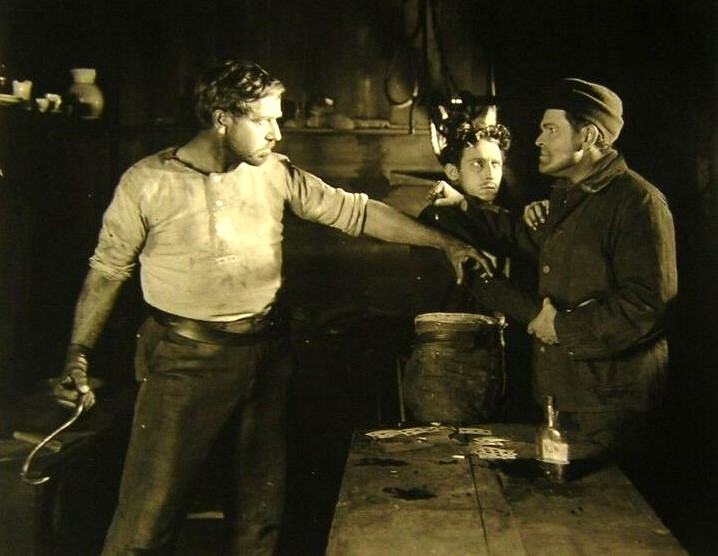
DeMille's direction in this period often balanced grand scale with intense psychological drama, a precursor to his later epics. Here, the grandeur is less about sprawling sets and more about the expansive emotional landscape he explores. He orchestrates scenes with a rhythmic tension, building suspense through carefully paced edits and the expressive movements of his actors. The film's ability to maintain a high level of emotional engagement without spoken dialogue is a testament to DeMille's understanding of cinematic rhythm and the power of non-verbal communication. His early work, including The Whispering Chorus, laid the groundwork for the visual grammar that would define Hollywood for decades.
The performances in The Whispering Chorus are a masterclass in silent film acting. Elliott Dexter, as John Trimble, carries the immense burden of the protagonist's moral quandary with remarkable conviction. His expressions convey a spectrum of emotions—from the initial desperation that drives his crime, through the fleeting relief of his false escape, to the crushing weight of his ultimate revelation. Dexter's performance is not merely melodramatic; it is nuanced, revealing the internal struggle of a man caught in a self-made trap. The subtlety in his eyes, the slight tremor of his hands, all contribute to a portrayal that feels deeply human and tragically relatable. It prompts the audience to consider the inherent nature of good and evil, inviting reflection on questions raised in philosophical examinations like Are They Born or Made?, concerning whether Trimble's flaws were intrinsic or a product of his circumstances.
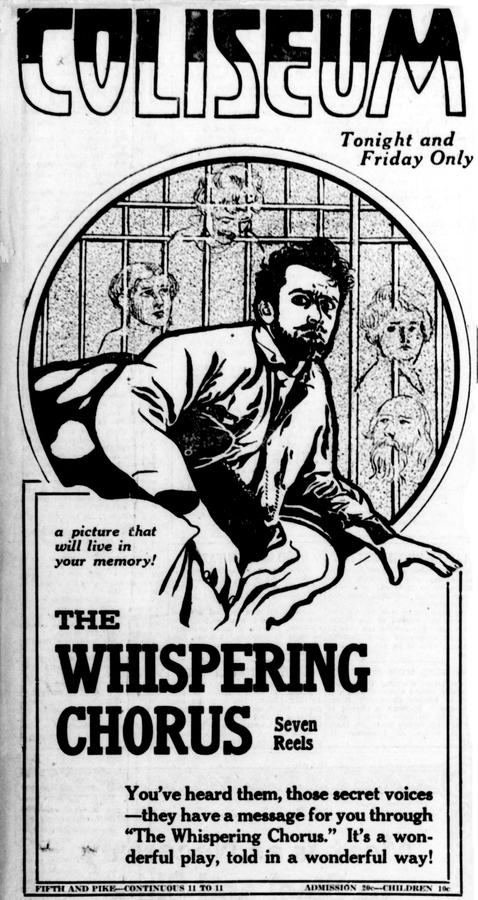
Kathlyn Williams, in her pivotal role as Trimble's mother, delivers a performance of breathtaking intensity. Though her screen time may be limited, her impact is monumental. The scene of her dying plea is etched into the viewer's memory, a visceral depiction of a mother's selfless love and agonizing sacrifice. Her raw emotion, conveyed through powerful gestures and a face contorted by grief and resolve, encapsulates the film's tragic heart. Edna Mae Cooper, as the unsuspecting wife, embodies a poignant innocence, her unwitting happiness serving as a constant, painful reminder of the lie that sustains her. Her character's purity, a stark contrast to John's moral decay, brings to mind themes explored in films like The Innocence of Ruth, where the untainted nature of a character becomes a central dramatic element. The supporting cast, including Charles Ogle, Julia Faye, and Gustav von Seyffertitz, contribute significantly to the film's rich atmosphere, each portraying their characters with the distinct expressiveness characteristic of the silent era, yet with a restraint that prevents caricaturization.
Released in 1918, during the tumultuous final year of World War I, The Whispering Chorus likely resonated with an audience grappling with widespread societal upheaval and moral introspection. The film's themes of moral decay, the fragility of identity, and the search for redemption would have struck a chord in a world questioning its own values and facing unprecedented change. DeMille's ability to tap into these universal anxieties, even within a seemingly personal drama, speaks to his profound understanding of the human psyche. The film stands as a significant marker in his early career, showcasing his development as a storyteller who could command both intimate emotional narratives and later, grand historical spectacles.
Beyond its historical context, the film's enduring relevance lies in its exploration of timeless themes. The burden of guilt, the desire for a clean slate, the inescapable consequences of one's actions, and the profound power of sacrifice are universal human experiences. The concept of a "whispering chorus" – whether interpreted as conscience, societal judgment, or the echoes of one's past – remains a potent metaphor for the internal and external forces that shape our lives. In a world increasingly concerned with identity and the performative aspects of self, John Trimble's desperate attempt to shed one skin for another feels remarkably contemporary. The film, in its quiet power, also offers a subtle critique of unchecked ambition and the pursuit of illicit gains, themes that find a distant echo in other films concerned with the moral decay of society, such as The Yellow Traffic, though their specific subjects diverge significantly.
The Whispering Chorus, like many silent films, relied heavily on the interplay of visual composition, expressive acting, and the implied musical score that would have accompanied its screenings. The intertitles, far from being mere dialogue boxes, often functioned as narrative devices themselves, conveying internal thoughts and poetic descriptions that enhanced the emotional depth. The sets, though perhaps not as lavish as DeMille's later productions, were meticulously designed to reflect the characters' psychological states and societal positions, contributing to the overall atmosphere of moral tension. The costumes, too, played a crucial role in defining character and class, adding another layer to the film's rich visual tapestry.
In conclusion, The Whispering Chorus stands as a powerful testament to the enduring artistry of silent cinema and the visionary talent of Cecil B. DeMille. It is a film that challenges its audience to ponder the intricate dance between truth and illusion, the crushing weight of guilt, and the profound, often tragic, beauty of human sacrifice. Its complex moral landscape, coupled with its masterful direction and compelling performances, ensures its place not just as a historical curiosity, but as a timeless drama that continues to resonate with contemporary audiences. It reminds us that even in the absence of spoken words, the human heart can communicate its deepest sorrows and most profound acts of love with an eloquence that transcends time and medium. This film is more than a story; it's an experience, a haunting echo of a man's struggle against the inescapable chorus of his own conscience.
IMDb 5.6
1927
Community
Log in to comment.