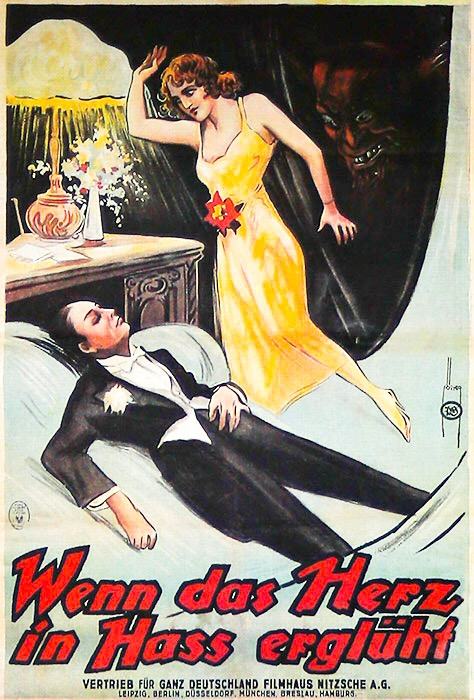
Germany
The year 1917 stands as a monumental pivot in the evolution of visual storytelling, a period where the primitive techniques of the early silents began to coalesce into a sophisticated language of light and shadow. At the epicenter of this transformation was Wenn das Herz in Haß erglüht (When the Heart Burns with Hate...
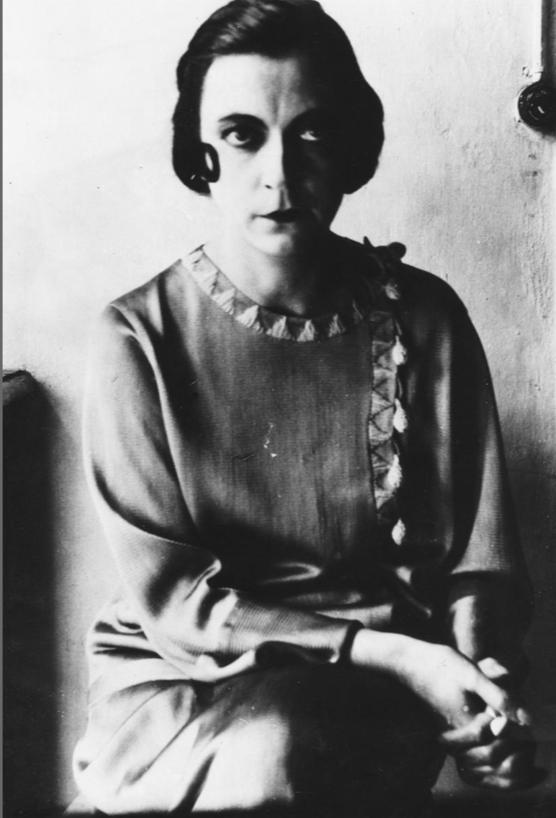
Comparing the cinematic DNA and archive impact of two defining moments in cult history.
Kurt Matull
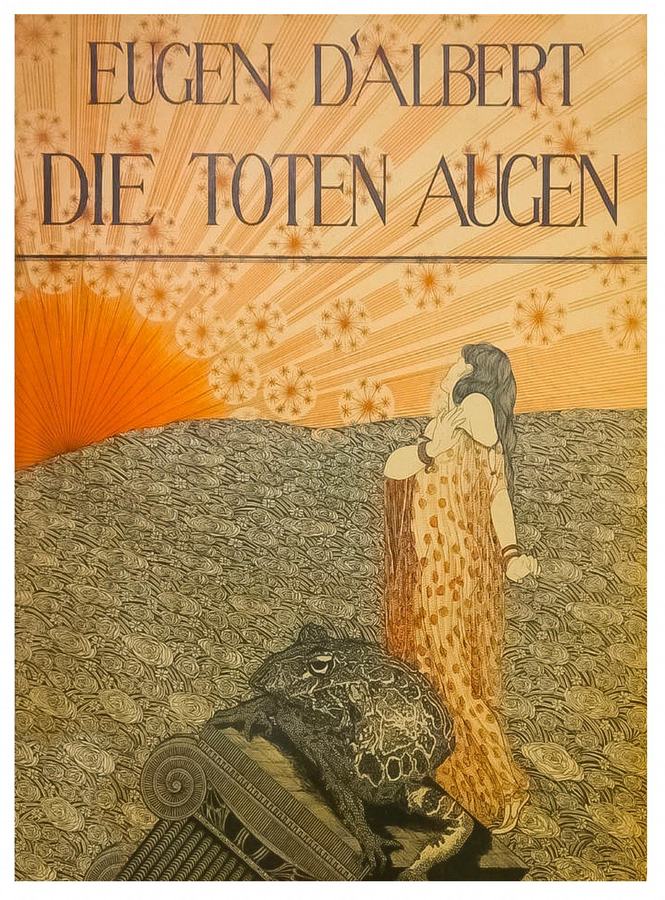
Kurt Matull
Community
Log in to comment.
" The year 1917 stands as a monumental pivot in the evolution of visual storytelling, a period where the primitive techniques of the early silents began to coalesce into a sophisticated language of light and shadow. At the epicenter of this transformation was Wenn das Herz in Haß erglüht (When the Heart Burns with Hate), a film that serves not merely as a vehicle for the burgeoning superstardom of Pola Negri, but as a masterclass in the aesthetics of silent melodrama. To watch this film today is..."
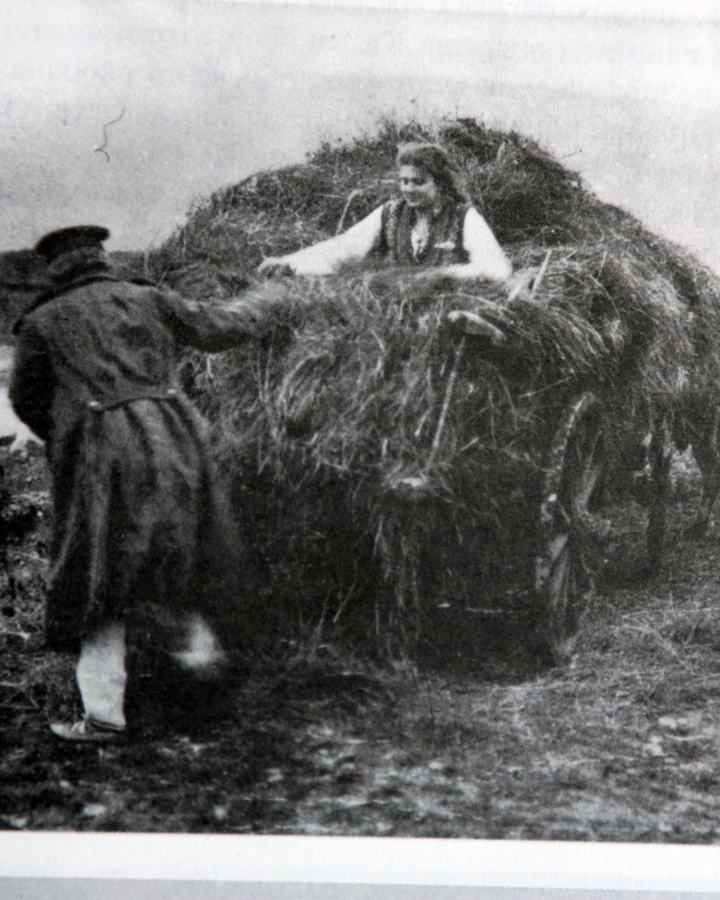
Deep dive into the cult classic
Discover similar cinematic experiences
A Directorial Spotlight on Kurt Matull
