DbcultAccessing Vault...
5.2/10
Senior Film Conservator
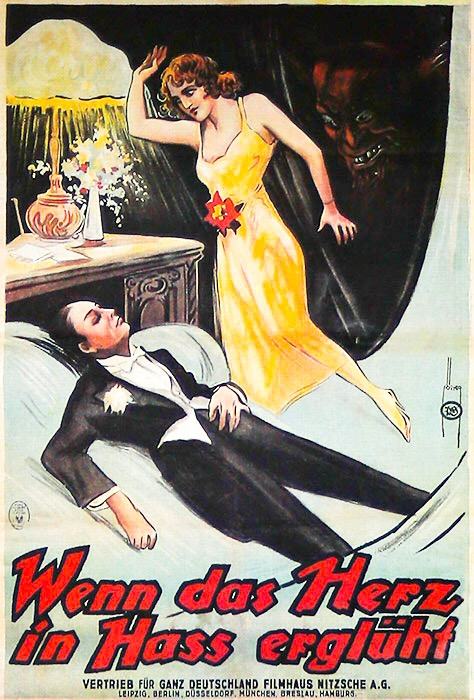
A definitive 5.2/10 rating for a film that redefined the boundaries of cult cinema. Wenn das Herz in Haß erglüht remains a cornerstone of transgressive art.
The year 1917 stands as a monumental pivot in the evolution of visual storytelling, a period where the primitive techniques of the early silents began to coalesce into a sophisticated language of light and shadow. At the epicenter of this transformation was Wenn das Herz in Haß erglüht (When the Heart Burns with Hate), a film that serves not merely as a vehicle for the burgeoning superstardom of Pola Negri, but as a masterclass in the aesthetics of silent melodrama. To watch this film today is to witness the birth of the 'vamp' archetype in its most refined German iteration, a persona that would eventually conquer the global box office.
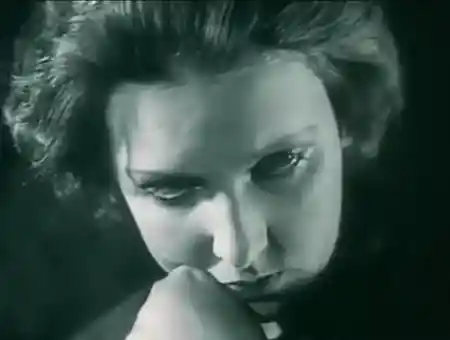
Before she was the toast of Paramount, Pola Negri was a force of nature in the European studios. In this production, her portrayal of Ilona is nothing short of revolutionary. While many of her contemporaries relied on the exaggerated gesticulations typical of the stage, Negri understood the camera's ability to capture the internal monologue through the eyes. Her Ilona is a creature of impulse, a circus rider whose life is a constant negotiation with gravity and public expectation. When we compare her trajectory here to the themes explored in A Woman's Power, we see a consistent fascination with female agency within restrictive social structures.
Negri’s performance is bolstered by a supporting cast that understands the gravity of the material. Harry Hopkins and Magnus Stifter provide the necessary counterweights to Negri’s mercurial energy. Stifter, in particular, anchors the film with a stoicism that makes the eventual eruption of conflict all the more jarring. The chemistry between the leads is palpable, even through the grain of a century-old negative, proving that the language of desire and resentment requires no spoken dialogue to communicate its intent.
The choice of a circus setting is far from incidental. In the silent era, the circus represented a microcosm of society—a place of spectacle, danger, and strict hierarchy. It mirrors the thematic weight found in Manegens Børn, where the ring becomes a stage for personal tragedy. In Wenn das Herz in Haß erglüht, the director utilizes the verticality of the big top to emphasize the precariousness of Ilona’s emotional state. The ladders, the ropes, and the fleeting glimpses of the audience create a sense of claustrophobia despite the vastness of the arena.
The cinematography, though limited by the technology of 1917, displays a remarkable grasp of mood. The use of tinting—often lost in modern digital transfers but painstakingly preserved in archival restorations—shifts the emotional temperature of the scenes. Deep blues evoke the loneliness of the night, while amber hues underscore the deceptive warmth of the spotlight. This visual palette is essential in conveying the transition from love to the 'burning hate' promised by the title. It is a precursor to the Expressionism that would soon dominate German cinema, finding echoes in later works like The Final Curtain.
The plot, while ostensibly a tale of a jilted lover, delves into the darker recesses of the human psyche. It interrogates the thin line between passion and pathology. Ilona is not a villain in the traditional sense; she is a victim of a social order that prizes her utility as a performer but ignores her humanity. This nuance is what elevates the film above standard melodrama. It shares a certain DNA with The Sacrifice of Pauline, where the female protagonist is forced into a corner by the machinations of the men around her.
"The heart does not merely break in this film; it incinerates, leaving behind a residue of bitterness that dictates every subsequent frame."
The inclusion of Tilli Bébé, a real-life lion tamer of the era, adds an element of authenticity that contemporary audiences would have found thrilling. Her presence blurs the line between fiction and documentary, a technique that enhances the film's visceral impact. When the animals are on screen, there is a genuine sense of unpredictability that mirrors Ilona’s own unraveling. This integration of 'spectacle' as a narrative device is a hallmark of the period, also seen in films like La perla del cinema.
The direction by Kurt Matull (though often overshadowed by his stars) shows a keen eye for pacing. In an era where many films felt like filmed stage plays, Matull introduces a dynamic camera that follows the action. The editing, while rudimentary by modern standards, creates a rhythmic tension during the film’s climax. The juxtaposition of the roaring crowd with Ilona’s internal turmoil creates a powerful dissonance. This structural complexity is reminiscent of the narrative layers found in In the Prime of Life.
Furthermore, the screenplay—contributed to by uncredited hands but likely influenced by the prevailing tastes of the UFA studio—avoids the easy resolutions typical of the genre. There is a nihilism at the heart of the story that feels remarkably modern. The film doesn't offer a cathartic redemption; instead, it leaves the viewer with the haunting image of a life consumed by its own intensity. This darker edge is what distinguishes it from more sentimental contemporaries like Still Waters.
Why does Wenn das Herz in Haß erglüht matter in the 21st century? Beyond its value as a historical artifact, it serves as a reminder of the power of visual metaphor. In a world saturated with CGI and dialogue-heavy scripts, there is something profoundly moving about a story told through the sheer force of a performer's presence and the strategic placement of a camera. It paved the way for the psychological depth of the 1920s and established Pola Negri as the definitive screen siren of her generation.
When we look at the broader landscape of early cinema, including works like Urteil des Arztes or the adventurous spirit of The Pearl of the Antilles, we see a global medium finding its voice. However, few films from this year manage to capture the raw, unadulterated essence of human emotion as effectively as this one. It is a dark, shimmering jewel of the silent era, a film that demands to be seen not just by film historians, but by anyone who appreciates the art of the dramatic arc.
In conclusion, the film remains a towering achievement of 1917. It is a testament to the fact that while technology changes, the fundamental human experiences of love, betrayal, and the scorching heat of hatred remain eternal. Whether you are a fan of Negri’s later work or a newcomer to silent cinema, this film offers a hauntingly beautiful experience that lingers long after the final frame has flickered out. It stands alongside classics like The Libertine in its refusal to shy away from the complexities of character, marking it as a definitive piece of cinematic history.
IMDb 6.2
1935
Community
Log in to comment.