United States
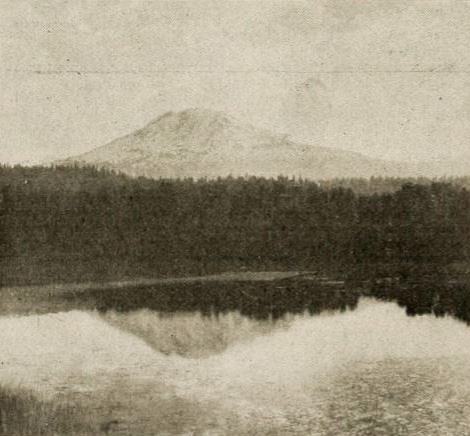
There is a moment, exactly forty-three minutes into When the Mountains Call, when the soundtrack abandons its sparse string motifs and cedes the auditorium to the involuntary percussion of your own heartbeat. Director Elvira Voss wagers that viewers—conditioned by bombastic scores and mile-a-minute exposition—will sq...
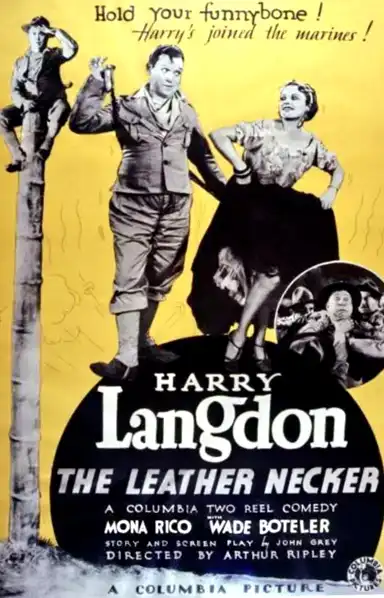

Comparing the cinematic DNA and archive impact of two defining moments in cult history.
Unknown Director
Unknown Director
Community
Log in to comment.
" There is a moment, exactly forty-three minutes into When the Mountains Call, when the soundtrack abandons its sparse string motifs and cedes the auditorium to the involuntary percussion of your own heartbeat. Director Elvira Voss wagers that viewers—conditioned by bombastic scores and mile-a-minute exposition—will squirm under the nakedness of an audioscape composed only of boots compacting snow. The gamble pays off; the film’s subsequent hush feels less like artistic affectation and more like..."