Summary
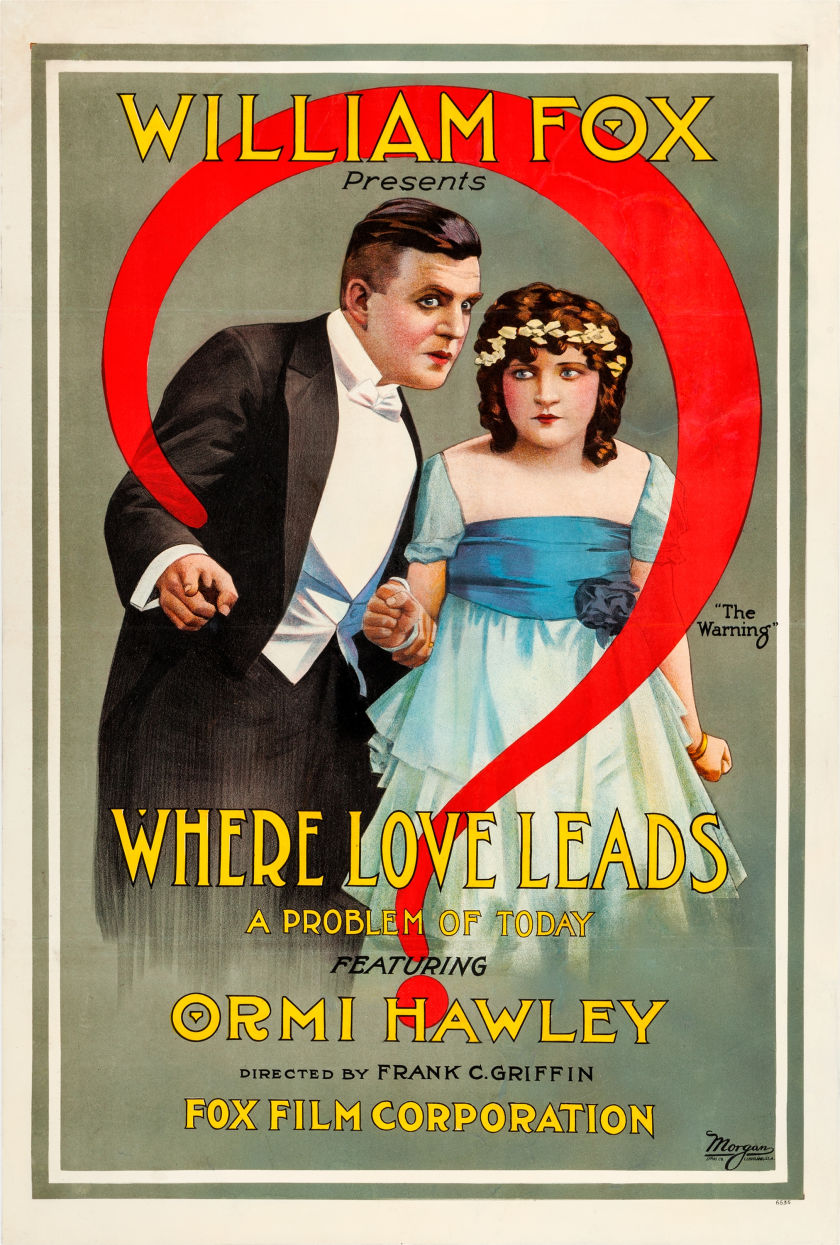
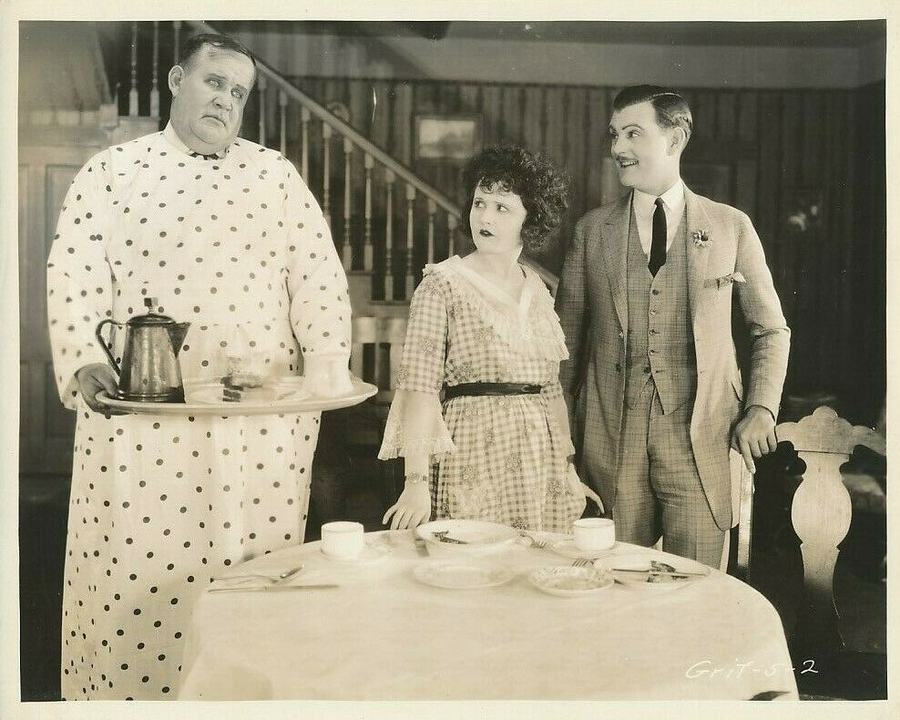
In the opulent, yet emotionally stifling, milieu of early 20th-century high society, we encounter Eleanor Vance, portrayed with a poignant earnestness by Ilean Hume. An orphaned ward, Eleanor finds herself under the stern, financially motivated guardianship of Uncle Alistair (Albert Gran), whose sole ambition is to see her wed into the Sterling fortune, represented by the insufferably proper Reginald (Herbert Evans). However, Eleanor's heart, a vessel of artistic sensibility and burgeoning independence, has already been irrevocably captured by Julian Thorne (Royal Byron), a sculptor of profound talent but meager means. Their clandestine romance, a vibrant counterpoint to the monochromatic expectations of her social sphere, blossoms amidst the dusty, creative chaos of Julian's studio. Uncle Alistair, a man whose love for social standing eclipses any genuine affection for his niece, discovers their illicit bond. His machinations are swift and brutal: Julian is not merely dismissed but cunningly framed for the theft of a valuable family heirloom, a calculated act designed to not only discredit him but to sever Eleanor's ties to him permanently. Julian, his reputation in tatters and his spirit momentarily crushed, faces imprisonment, while Eleanor, caught in a web of deceit and societal pressure, is coerced into accepting Reginald's proposal, a sacrifice she believes is necessary to prevent further ruin for Julian. The narrative then follows Julian's arduous journey from despair to determined vindication, culminating in a dramatic intrusion upon Eleanor's wedding day. Armed with irrefutable proof of his innocence and Alistair's treachery, Julian exposes the charade, shattering the facade of respectability and revealing the true depths of his love for Eleanor. This climactic unraveling paves the way for a poignant reunion, where love, having been tested by the crucible of adversity and societal prejudice, ultimately triumphs, leading its protagonists to a hard-won, authentic union.
Review Excerpt
"
A Resonant Echo from the Silent Era: Unpacking the Enduring Appeal of Where Love Leads
Stepping back into the cinematic landscape of 1916, one encounters Where Love Leads, a film that, despite the passage of more than a century, still manages to pluck at the heartstrings with its earnest portrayal of devotion, societal constraints, and the unwavering pursuit of justice. Frank Griffin, the visionary writer behind this melodrama, crafts a narrative that, while perhaps familiar i..."