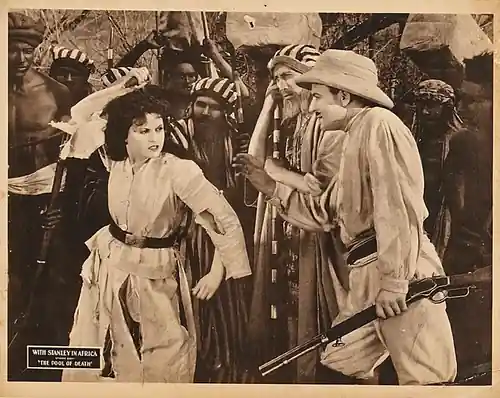
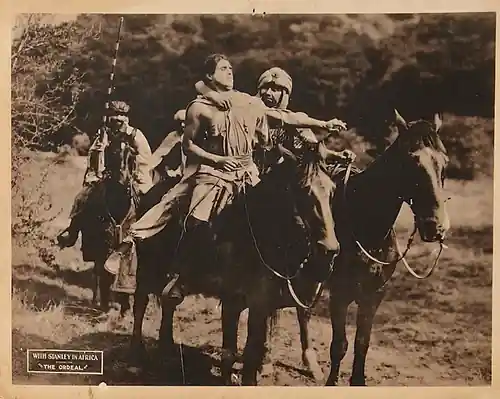
A young lady reporter helps a newspaperman in his search throughout Africa for the famous Dr. Livingstone.
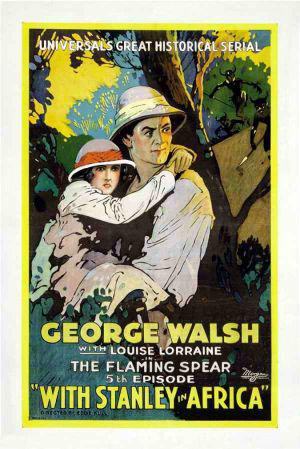
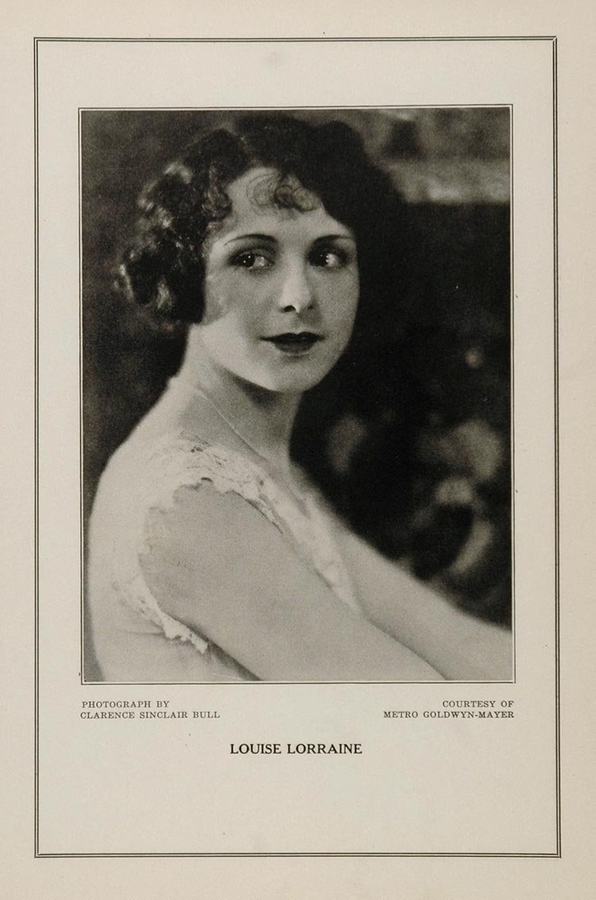
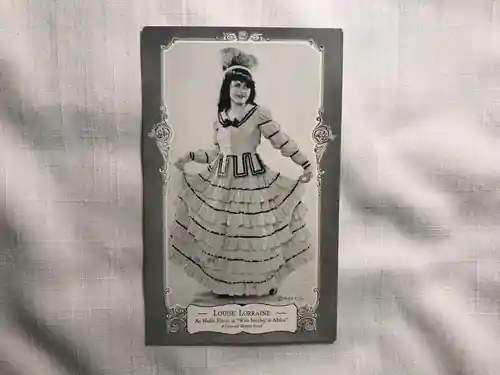
The first thing that strikes you about With Stanley in Africa is the odor of tannin and ether rising from the screen, as though someone had marinated the negative in black tea then struck a sulfur match. It is 1922, the world still wheezes from influenza, and cinema, that nickelodeon changeling, has begun to walk upri...
production_art

publicity
publicity
production_art
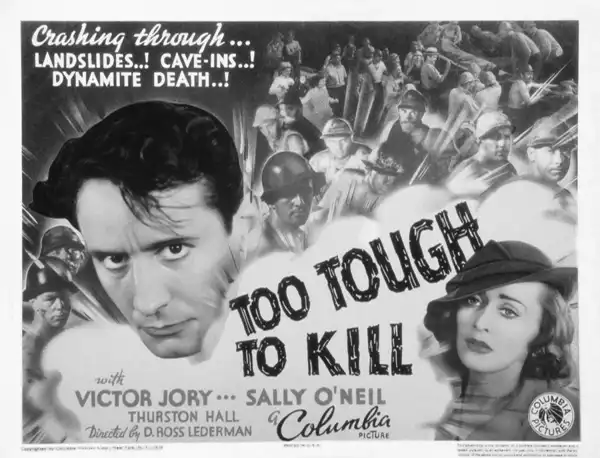
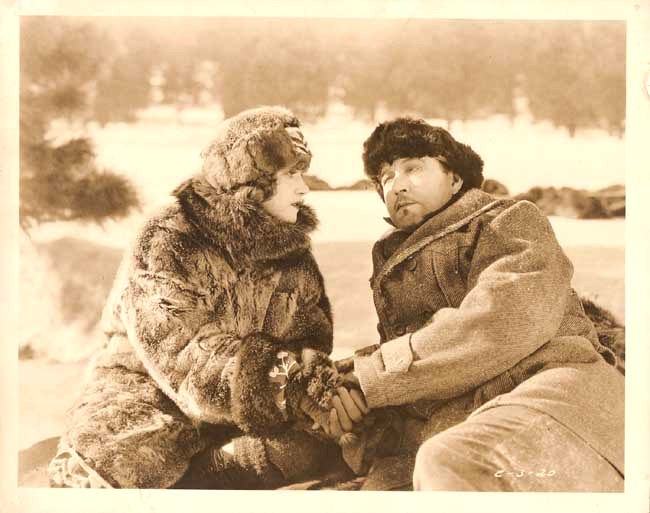
Comparing the cinematic DNA and archive impact of two defining moments in cult history.
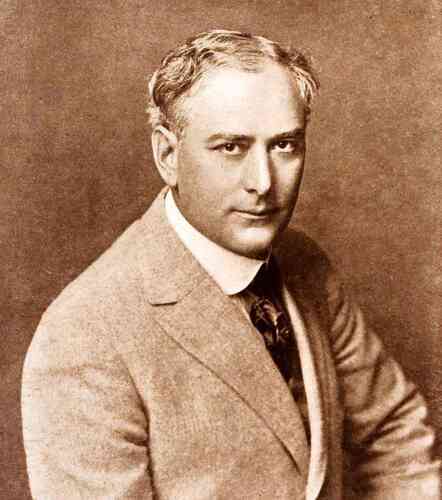
William James Craft
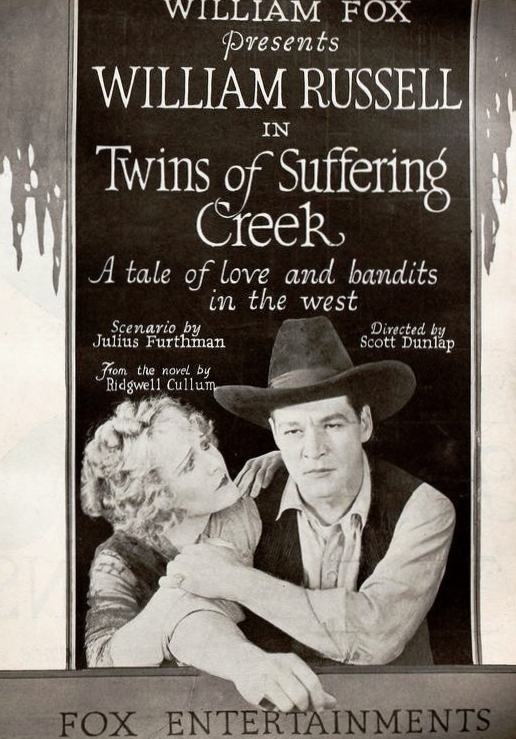
Scott R. Dunlap
Community
Log in to comment.
" The first thing that strikes you about With Stanley in Africa is the odor of tannin and ether rising from the screen, as though someone had marinated the negative in black tea then struck a sulfur match. It is 1922, the world still wheezes from influenza, and cinema, that nickelodeon changeling, has begun to walk upright. Yet here walks Louise Lorraine—her gait a syncopated shimmy between flapper and frontierswoman—straight into the feverish iris of colonial myth. The plot, nominally a hunt for..."
Charles Mason
George H. Plympton
United States
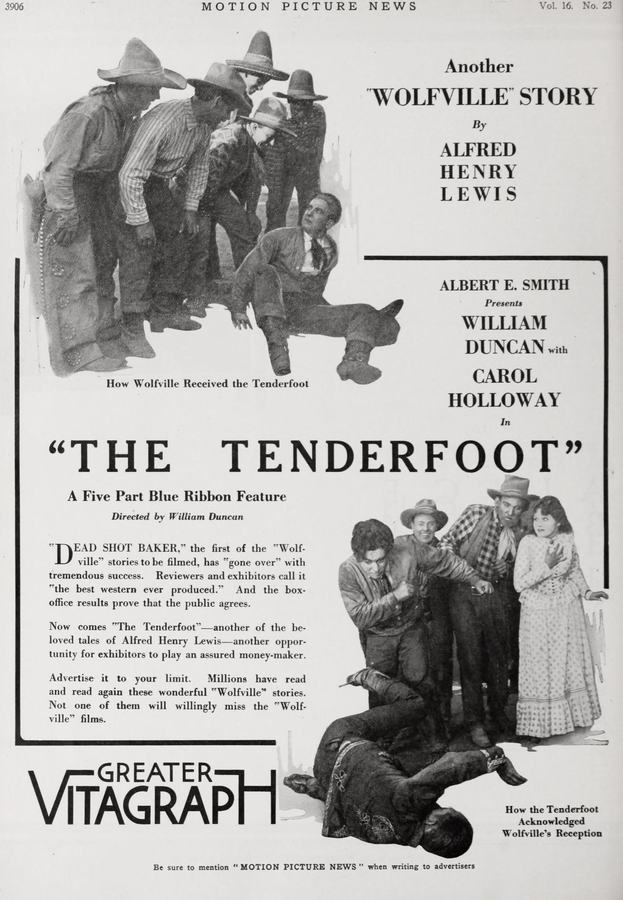
Deep dive into the cult classic
Discover similar cinematic experiences
A Directorial Spotlight on William James Craft