When bank teller Charles Shelby apprehends Helen Marsley as she attempts to pick his pocket, he threatens to have her arrested, but after the girl pleads poverty, Shelby relents and finds her a job as stenographer with Frank Chevy, the leader of a band of thieves with whom he has connections. In reality, Helen is working in conjunction with the police to hunt down the Chevy gang, whom she holds responsible for the death of her father.
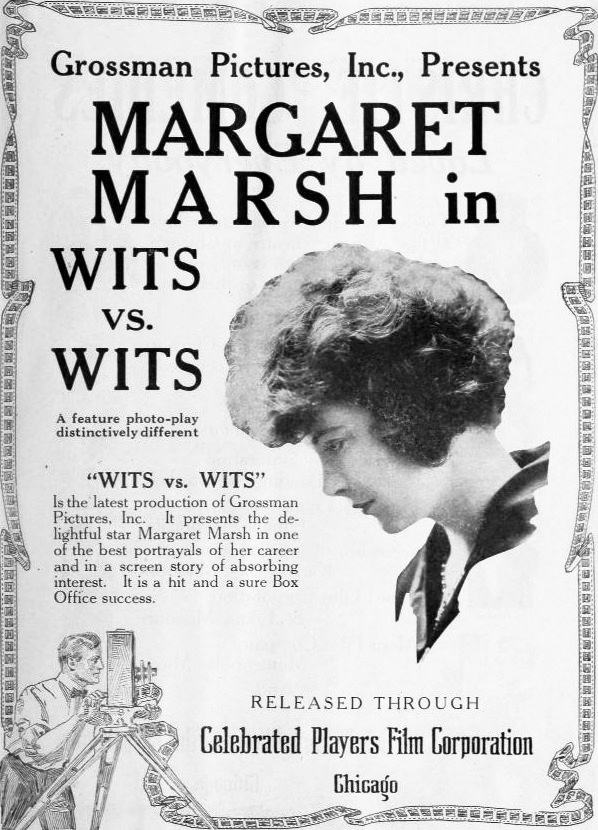
The 1920 crime one-reeler Wits vs. Wits is a ghost that refuses to stay buried beneath nitrate dust. Shot on shoestring ingenuity by the long-vanished Apex Featurelets, the film arrives today like a ransom note from another century—edges singed, fingerprints intact, pulse racing. What could have been a creaky museum r...
Comparing the cinematic DNA and archive impact of two defining moments in cult history.
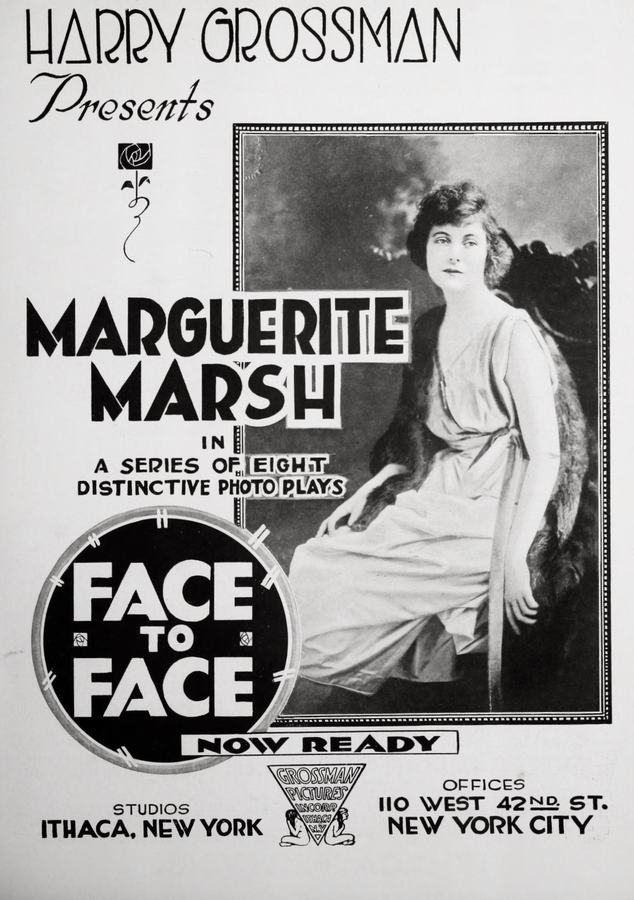
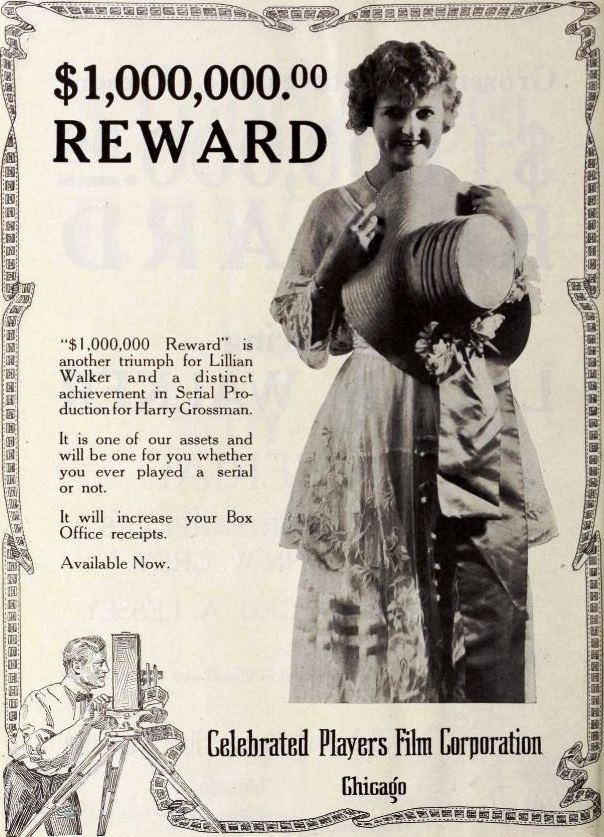
Harry Grossman
Harry Grossman
Community
Log in to comment.
" The 1920 crime one-reeler Wits vs. Wits is a ghost that refuses to stay buried beneath nitrate dust. Shot on shoestring ingenuity by the long-vanished Apex Featurelets, the film arrives today like a ransom note from another century—edges singed, fingerprints intact, pulse racing. What could have been a creaky museum relic instead snaps like a steel trap, thanks to a screenplay that weaponizes guilt the way Hitchcock later weaponized voyeurism. “Shelby’s mercy is a coin with blood on both sides..."
F.W. Stewart
Harry Grossman
United States
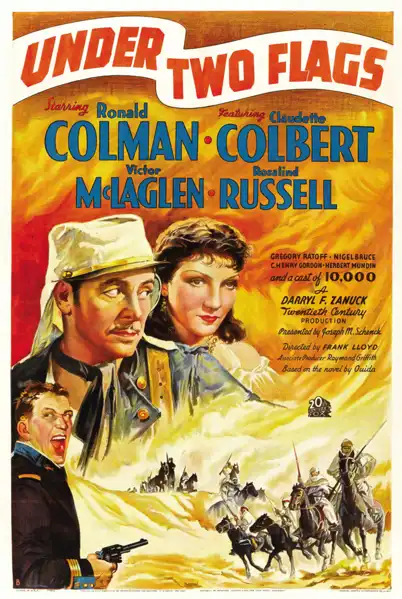
1936 · IMDb 6.4