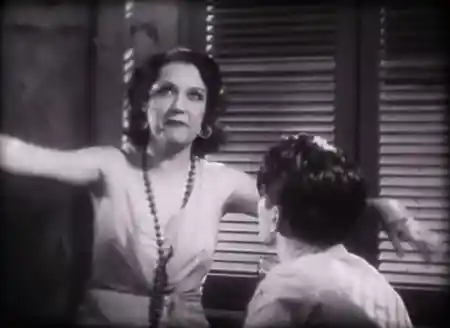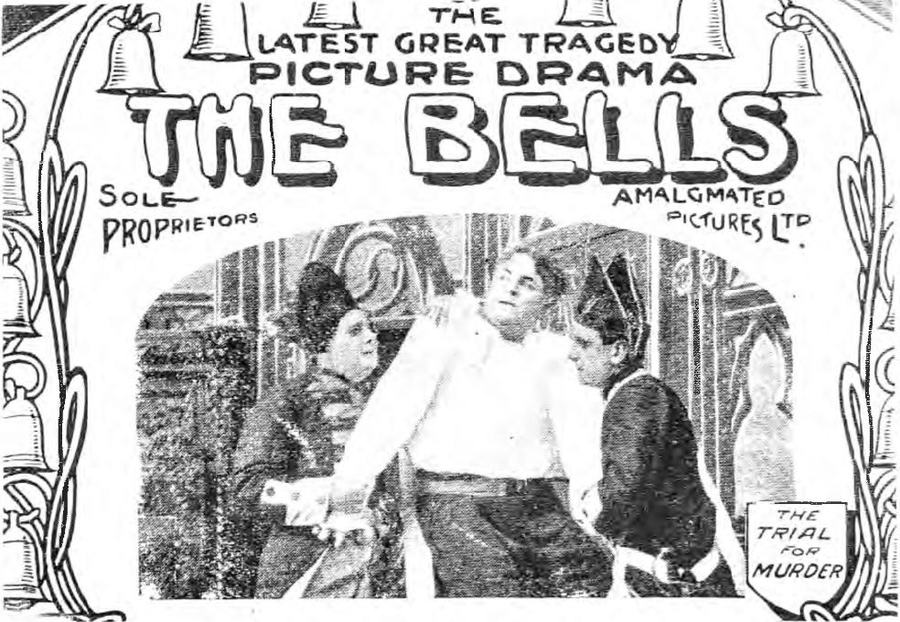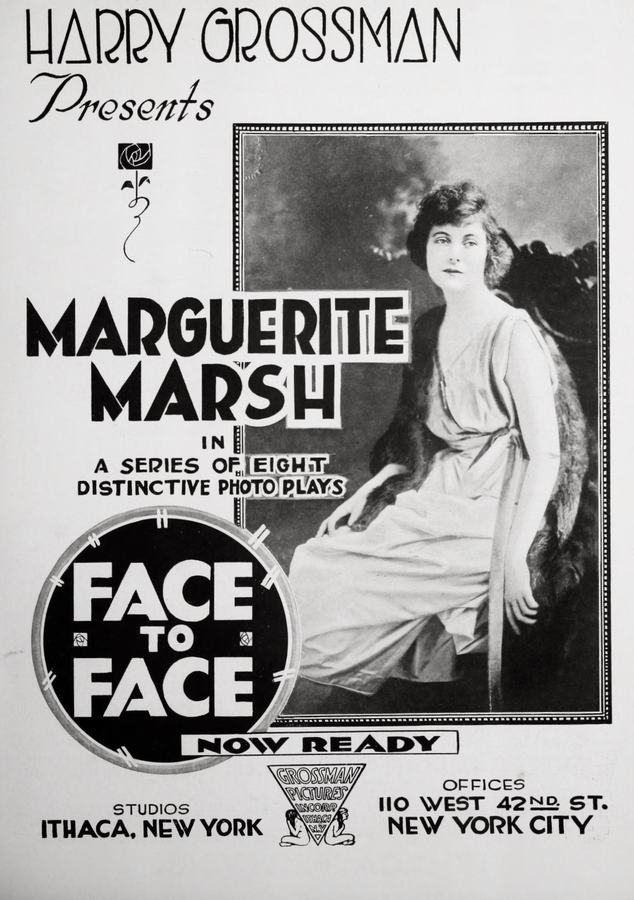
Just as John Weston is committing suicide, a would-be burglar, Bert Manners, is startled by and shoots at his own reflection in a mirror. Bert is caught with the gun and is accused of murder.
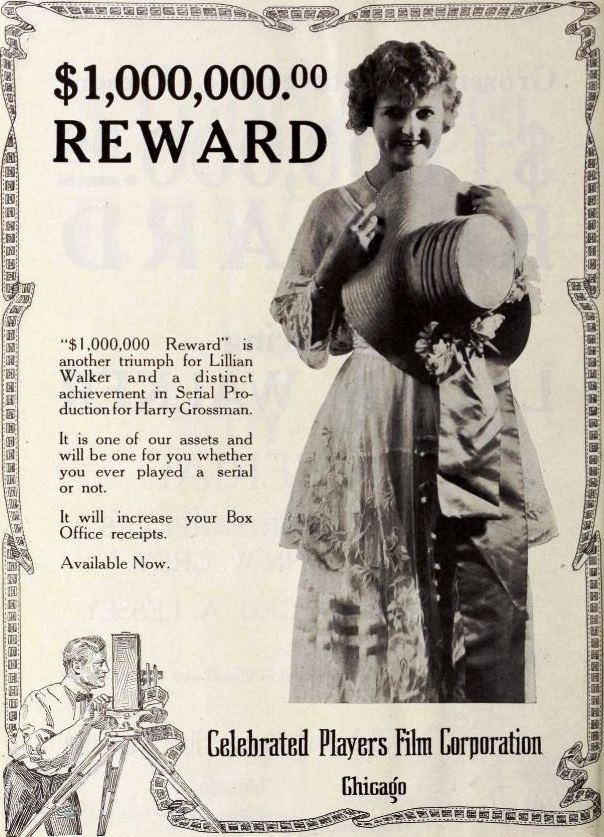
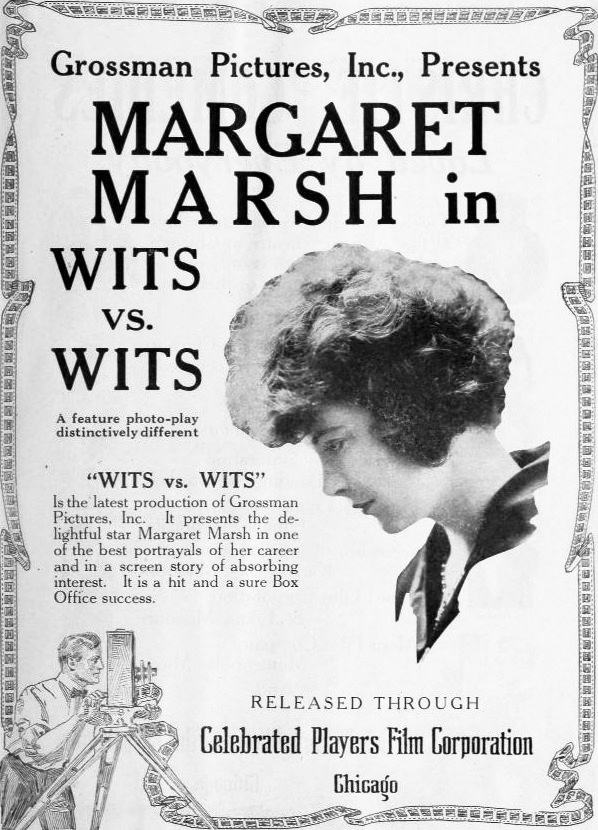
The cinematic landscape of the early 1920s was often a battleground between theatrical tradition and the burgeoning visual language of the camera. In Face to Face (1922), directed and written by Harry Grossman, we witness a fascinating, if somewhat neglected, specimen of the silent melodrama that prioritizes psychologi...
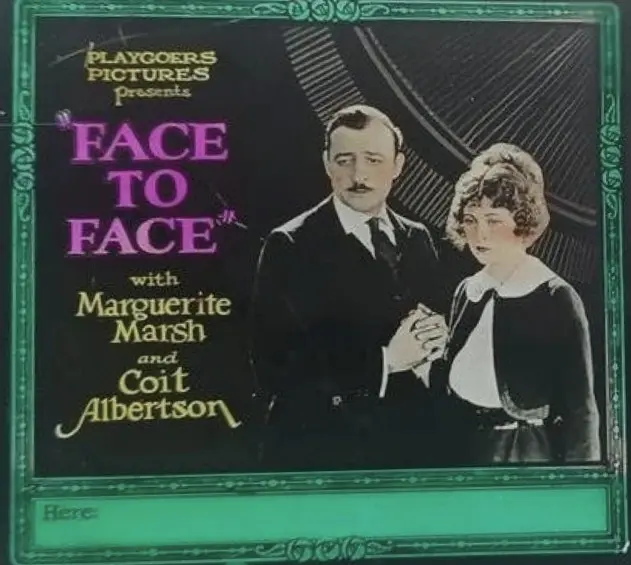
publicity
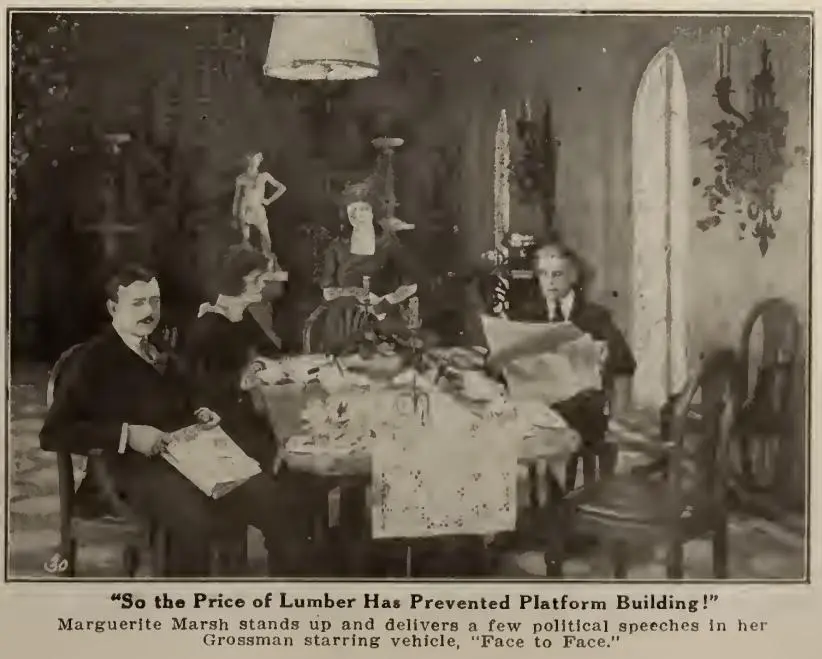
still_frame
Comparing the cinematic DNA and archive impact of two defining moments in cult history.
Harry Grossman
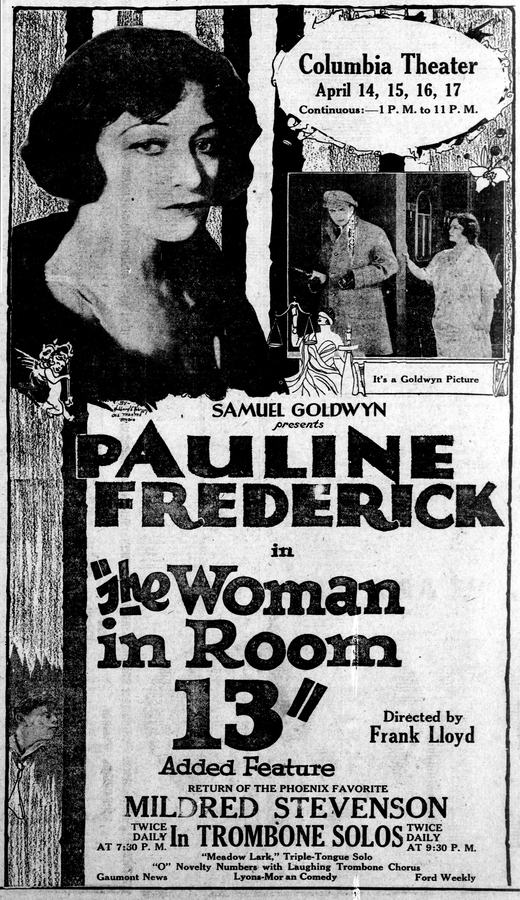
Frank Lloyd
Community
Log in to comment.
"The cinematic landscape of the early 1920s was often a battleground between theatrical tradition and the burgeoning visual language of the camera. In Face to Face (1922), directed and written by Harry Grossman, we witness a fascinating, if somewhat neglected, specimen of the silent melodrama that prioritizes psychological symbolism over mere plot progression. While the era was rife with slapstick like The Saphead, Grossman’s work leans into a grittier, more fatalistic register, examining how a s..."
Harry Grossman
United States
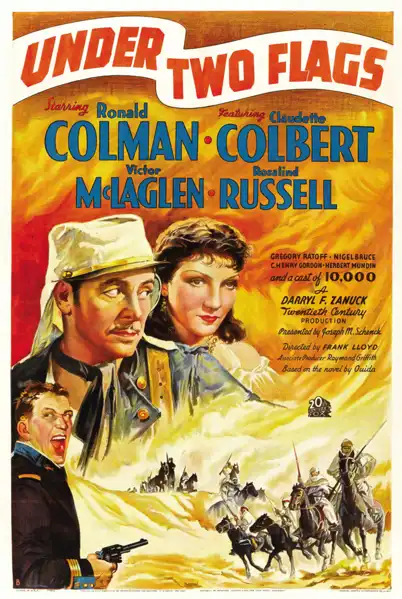
1936 · IMDb 6.4