DbcultAccessing Vault...
Cult Review
Senior Film Conservator
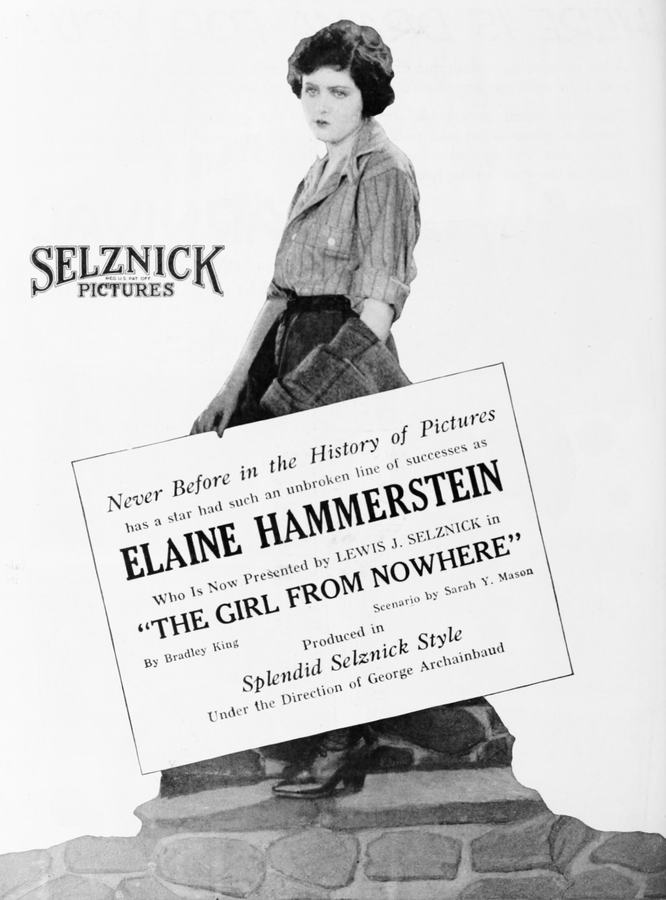
The Girl from Nowhere, a silent film from 1921, is a complex and engaging thriller that explores the darker aspects of human nature. Mavis Cole's decision to defy her grandfather and run away with Herbert Whitman, a man of high social standing but dubious character, sets off a chain of events that threatens to destroy her reputation and liberty. As she navigates this treacherous landscape, Mavis must confront the harsh realities of her own vulnerability and the morally ambiguous world around her.
One of the most striking aspects of The Girl from Nowhere is its portrayal of the social conventions that govern the lives of its characters. The film's depiction of the rigid class structures and social expectations of the time is both nuanced and thought-provoking, highlighting the limited options available to women like Mavis and the dangers of transgressing these boundaries. Through Mavis's story, the film raises important questions about the nature of identity, morality, and the human condition.
The film's plot twists and turns are expertly handled, keeping the viewer on the edge of their seat as Mavis's situation becomes increasingly desperate. The supporting cast, including Jimmy Ryder and Dorothy Grosscup, add depth and complexity to the narrative, their characters embodying the contradictions and ambiguities of the human experience. The film's climax, in which Mavis's innocence is finally proven and Herbert's guilt is exposed, is both satisfying and thought-provoking, highlighting the enduring power of truth and justice.
In comparison to other films of the silent era, such as Polly Redhead and The Little Runaway, The Girl from Nowhere stands out for its sophisticated narrative and nuanced characterization. While films like Berlin Via America and A bánya titka explore similar themes of identity and morality, The Girl from Nowhere is distinguished by its lyrical and expressive cinematography, which adds a haunting beauty to the film's already compelling narrative.
The film's thematic concerns are also reminiscent of other films from the period, such as The Love Swindle and A Stranger from Somewhere. However, The Girl from Nowhere is unique in its exploration of the human condition, its characters embodying the contradictions and paradoxes of human nature. Through Mavis's story, the film raises important questions about the nature of identity, morality, and the human experience, inviting the viewer to reflect on their own values and assumptions.
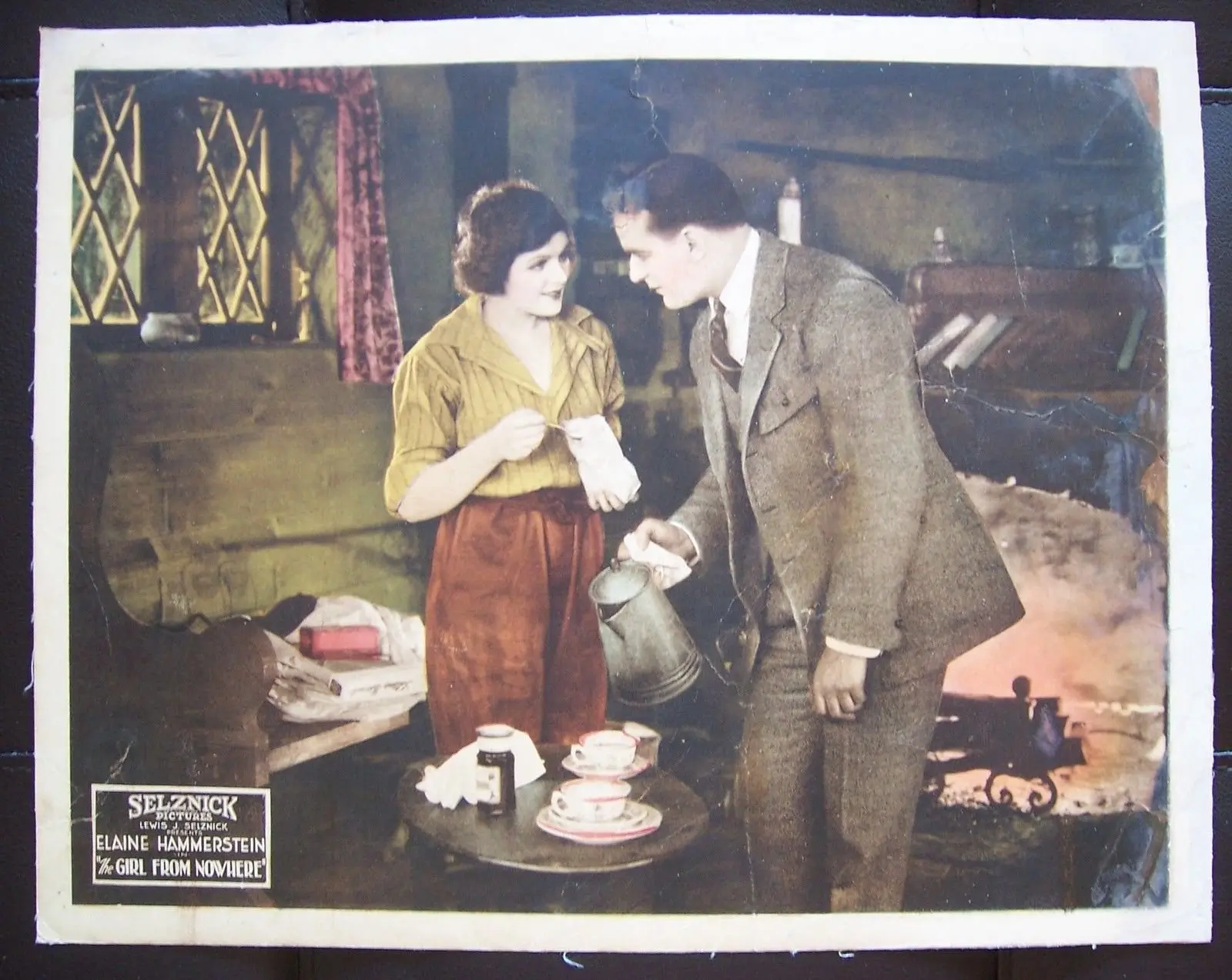
In terms of its historical significance, The Girl from Nowhere is a valuable example of the silent film era's narrative innovation and cinematic experimentation. The film's use of visual storytelling and symbolic motifs adds a richness and depth to the narrative, highlighting the enduring power of the medium to captivate and inspire audiences. As a cultural artifact, The Girl from Nowhere offers a fascinating glimpse into the social and cultural landscape of the time, its themes and concerns remaining remarkably relevant to contemporary audiences.
Overall, The Girl from Nowhere is a masterful silent film that continues to captivate audiences with its intricate plot, nuanced characterization, and lyrical cinematography. As a work of cinematic art, it remains a powerful and thought-provoking exploration of the human condition, inviting the viewer to reflect on their own values and assumptions. For fans of the silent era and film enthusiasts alike, The Girl from Nowhere is a must-see, a timeless classic that continues to inspire and captivate audiences to this day.
In comparison to other films in the genre, such as Stolen Orders and Fedora, The Girl from Nowhere stands out for its sophisticated narrative and nuanced characterization. While films like The Church with an Overshot Wheel and Baronat explore similar themes of identity and morality, The Girl from Nowhere is distinguished by its lyrical and expressive cinematography, which adds a haunting beauty to the film's already compelling narrative. As a work of cinematic art, The Girl from Nowhere remains a powerful and thought-provoking exploration of the human condition, inviting the viewer to reflect on their own values and assumptions.
The film's legacy can be seen in the work of later filmmakers, such as those who created Till I Come Back to You and The Spotted Lily. The Girl from Nowhere's influence can also be seen in the work of filmmakers who have explored similar themes of identity and morality, such as those who created König Nicolo and For the Freedom of the World. As a cultural artifact, The Girl from Nowhere offers a fascinating glimpse into the social and cultural landscape of the time, its themes and concerns remaining remarkably relevant to contemporary audiences.
In conclusion, The Girl from Nowhere is a silent film masterpiece that continues to captivate audiences with its intricate plot, nuanced characterization, and lyrical cinematography. As a work of cinematic art, it remains a powerful and thought-provoking exploration of the human condition, inviting the viewer to reflect on their own values and assumptions. For fans of the silent era and film enthusiasts alike, The Girl from Nowhere is a must-see, a timeless classic that continues to inspire and captivate audiences to this day. Other notable films in the genre include Number, Please?, which explores similar themes of identity and morality.
IMDb 6.8
1922
Community
Log in to comment.