United Kingdom
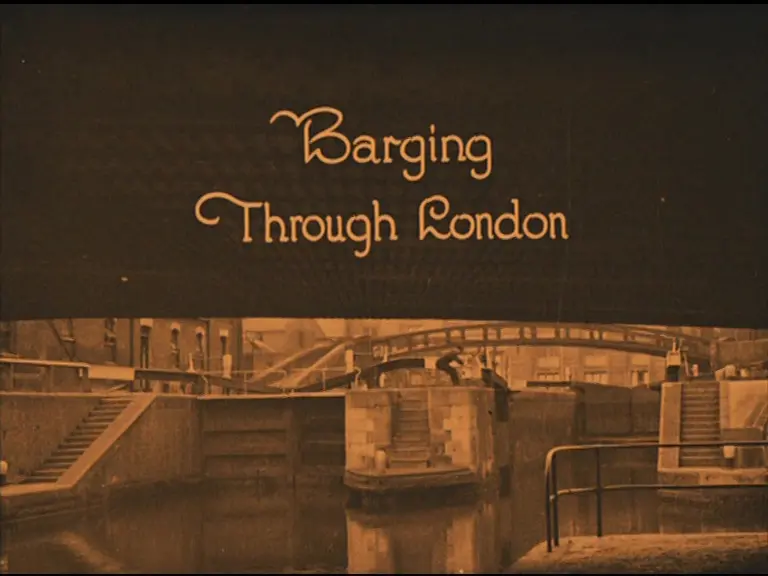
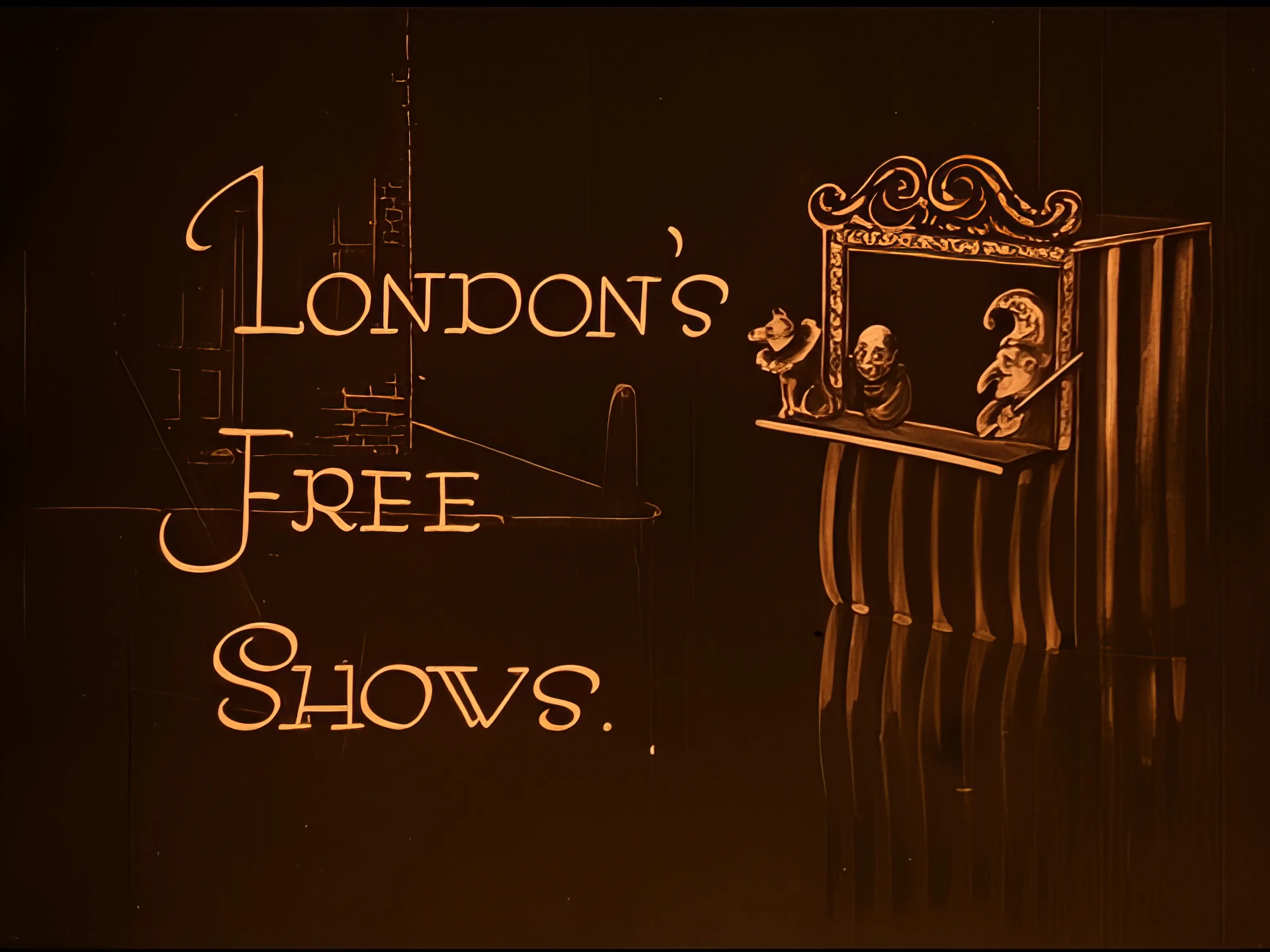
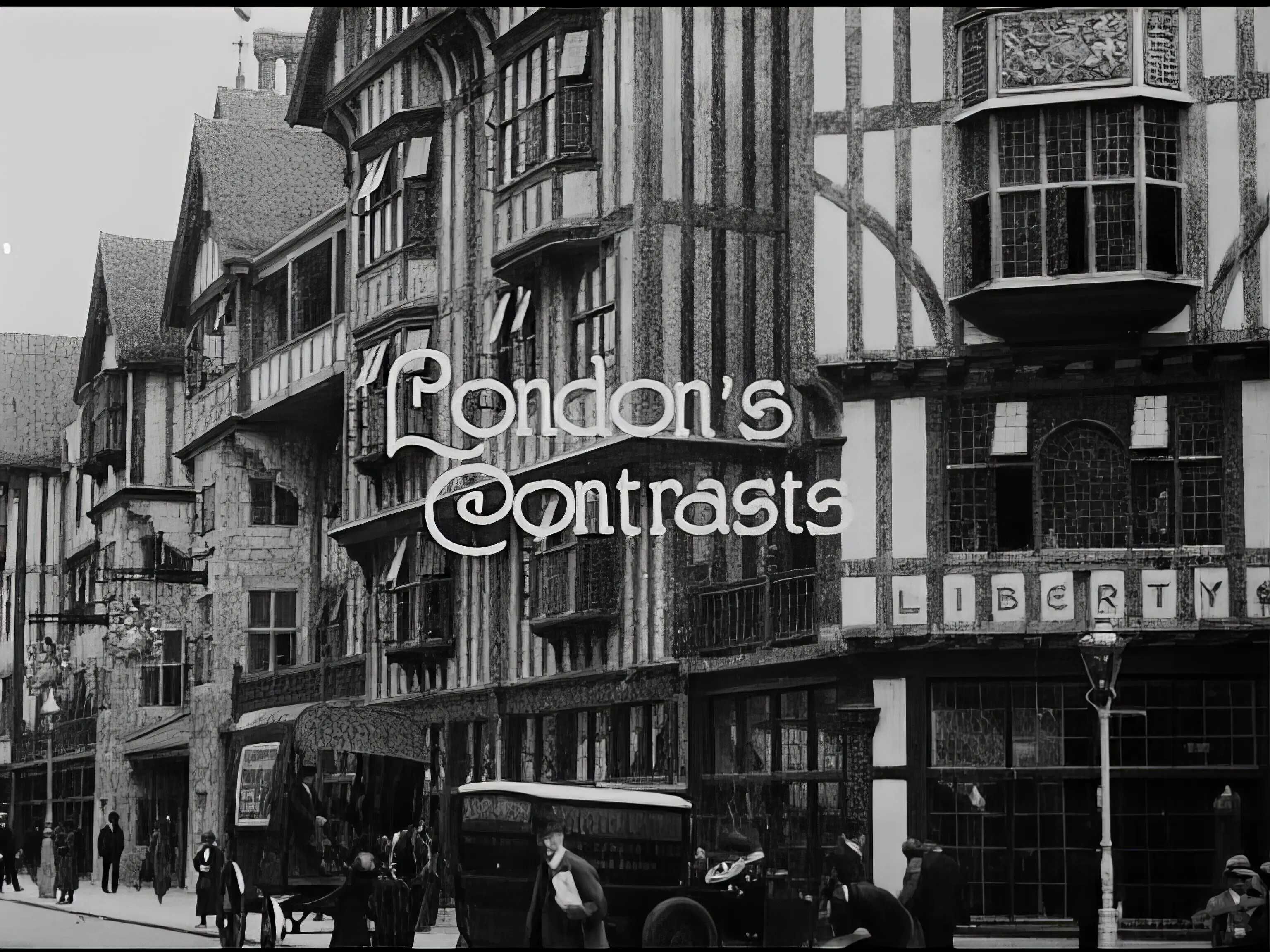
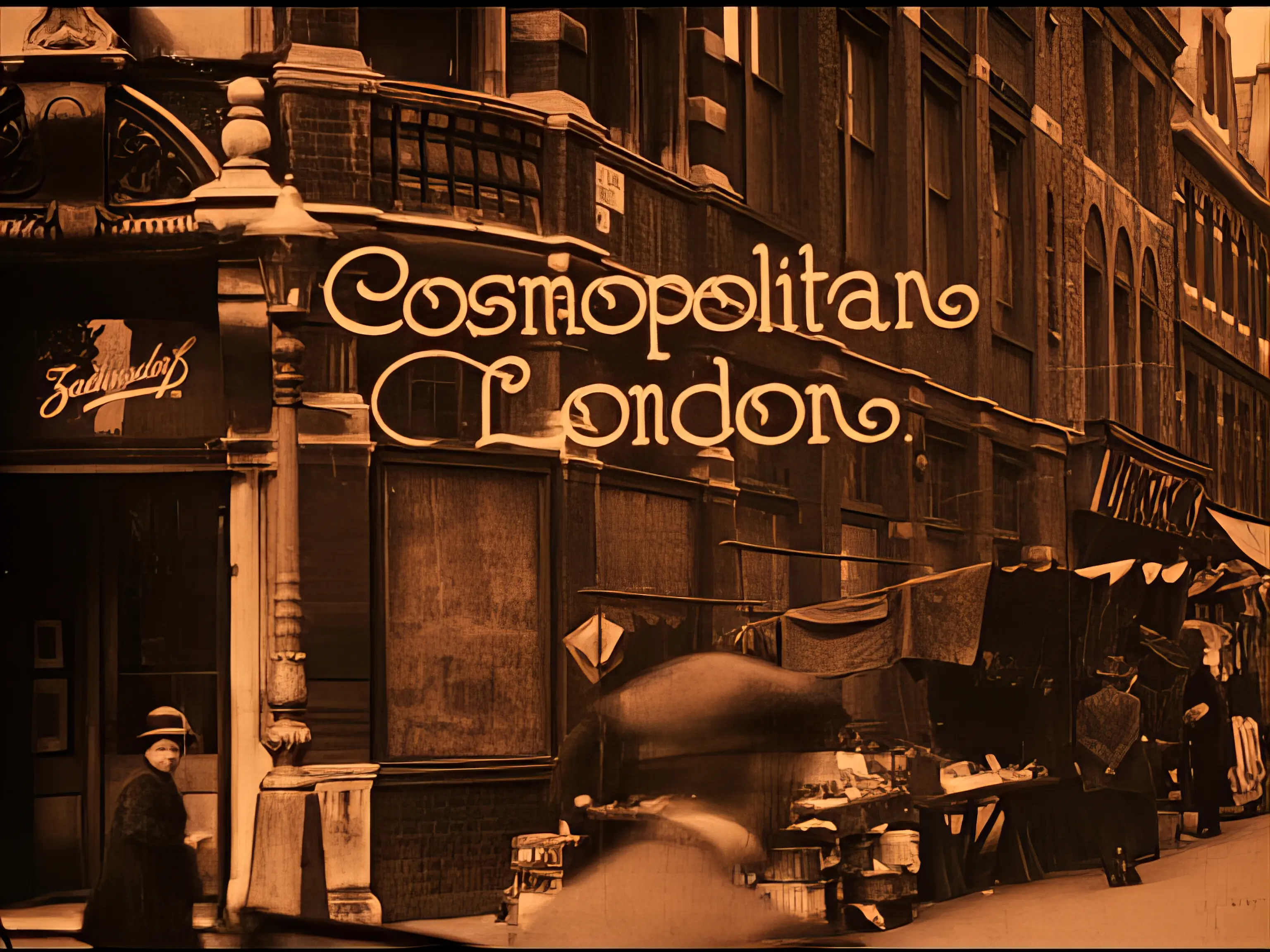
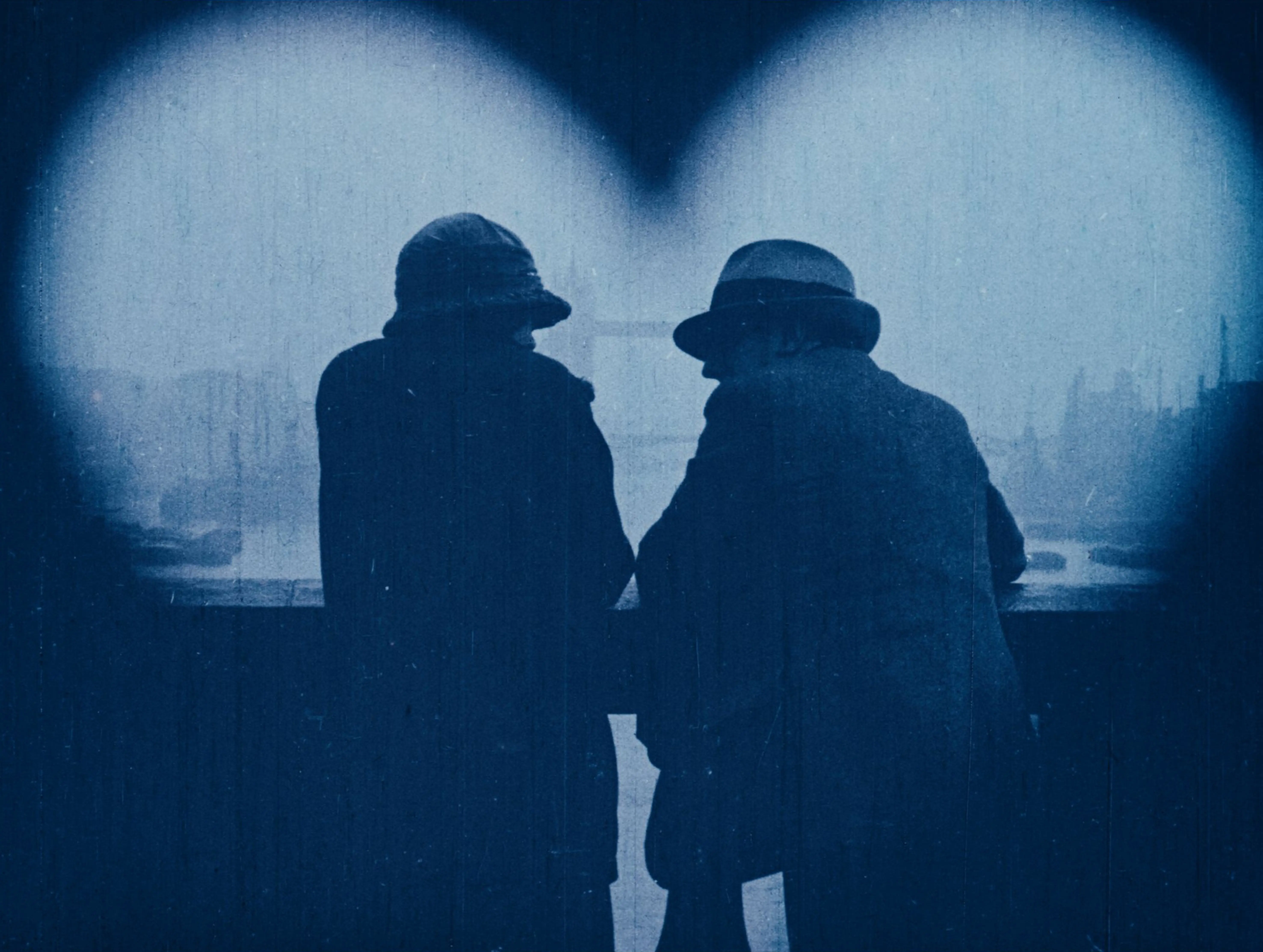
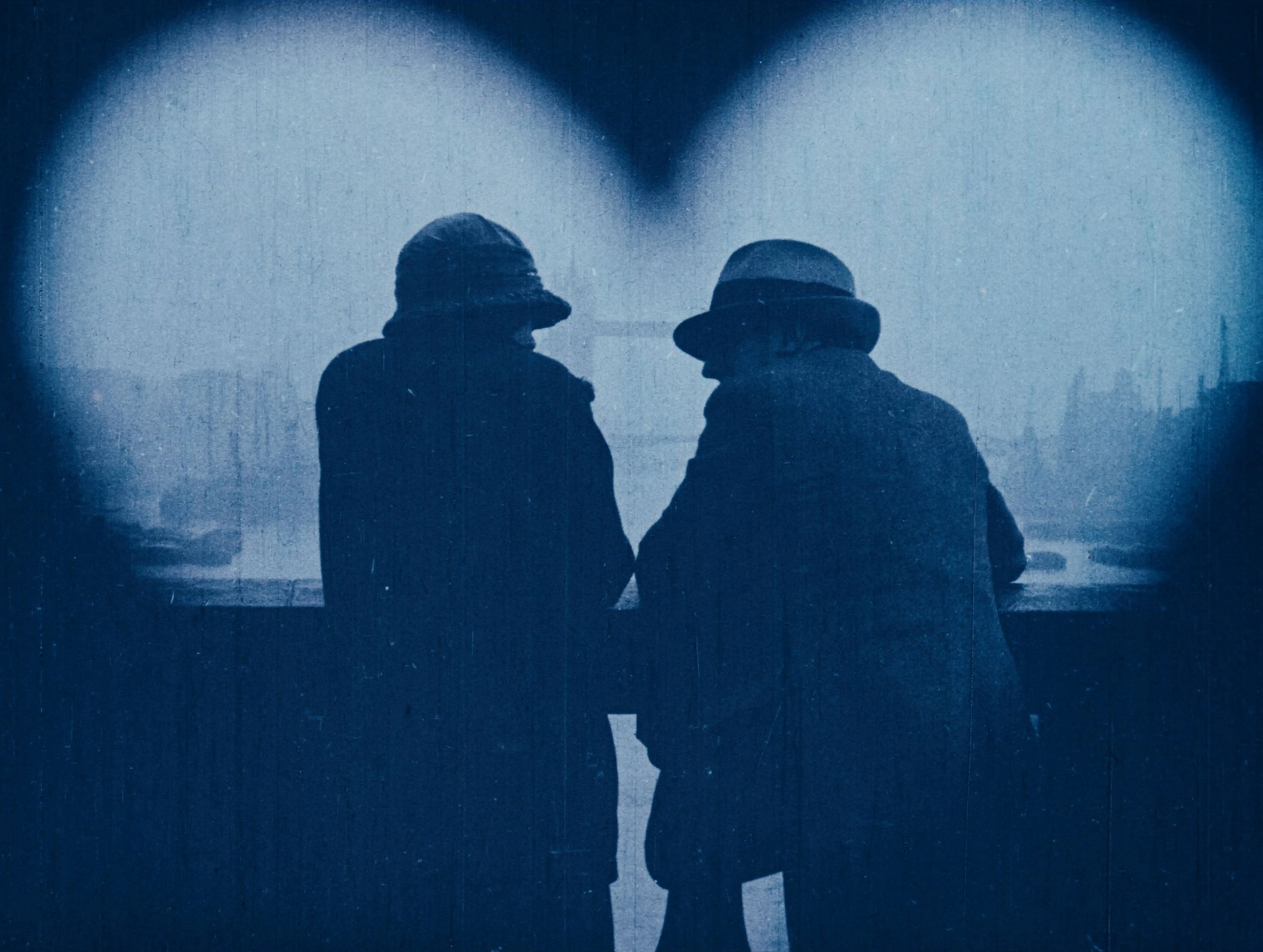
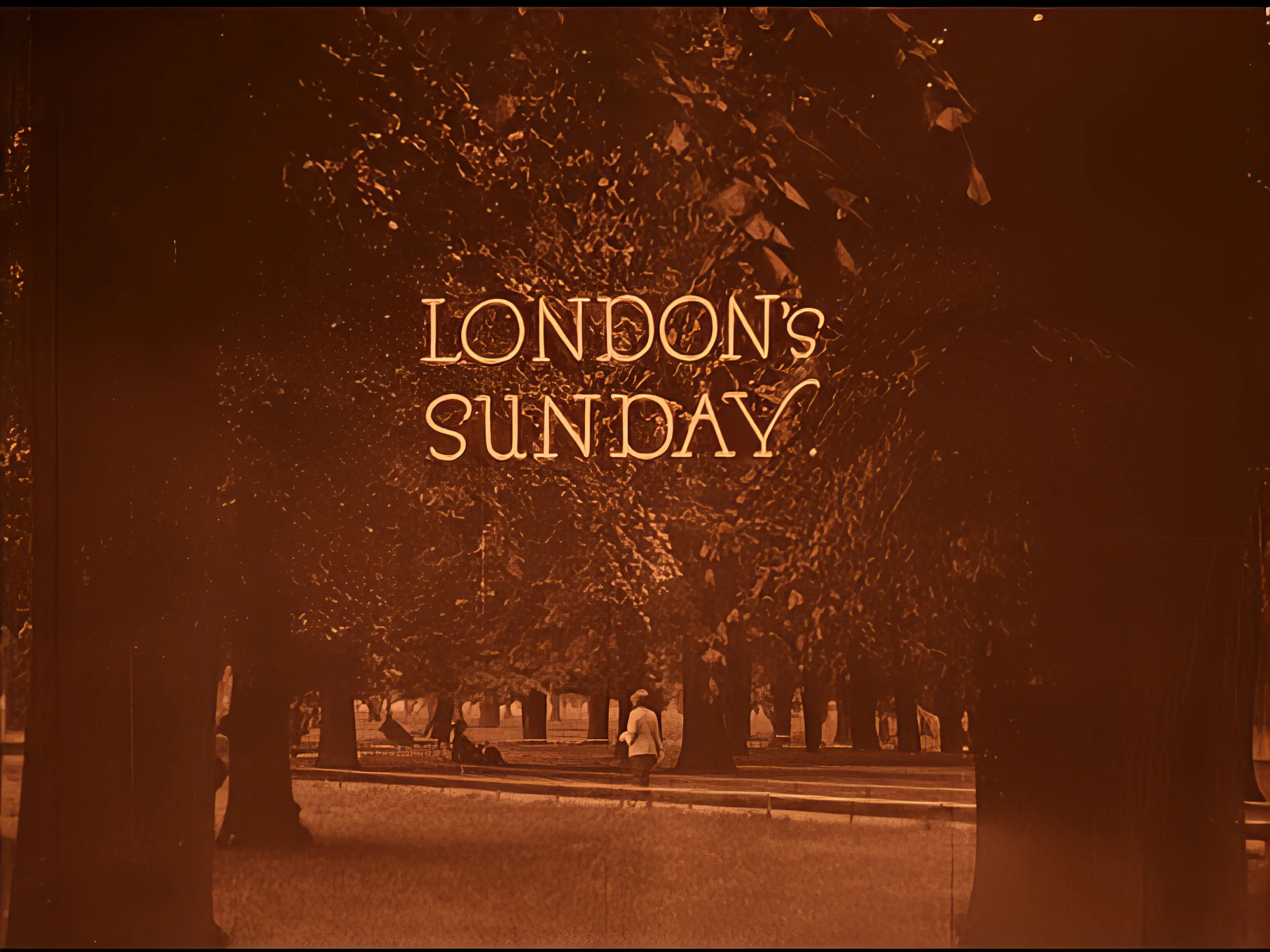
The cinematic oeuvre often presents us with grand narratives, sweeping romances, or intense dramas. Yet, there exists a profound beauty in the unadorned observation, in the patient capturing of life as it unfolds. 'Wonderful London: London's Sunday' stands as a majestic testament to this philosophy, a film that tran...
still_frame
still_frame
Comparing the cinematic DNA and archive impact of two defining moments in cult history.
Frank Miller

Malcolm St. Clair
Community
Log in to comment.
" The cinematic oeuvre often presents us with grand narratives, sweeping romances, or intense dramas. Yet, there exists a profound beauty in the unadorned observation, in the patient capturing of life as it unfolds. 'Wonderful London: London's Sunday' stands as a majestic testament to this philosophy, a film that transcends mere documentation to become an immersive, almost tactile experience of a city in a specific epoch. It is not merely a chronicle of events but a symphony of sights and sound..."


Deep dive into the cult classic
Discover similar cinematic experiences
A Directorial Spotlight on Frank Miller