DbcultAccessing Vault...
6.7/10
Senior Film Conservator
A definitive 6.7/10 rating for a film that redefined the boundaries of cult cinema. Wonderful London: London's Sunday remains a cornerstone of transgressive art.
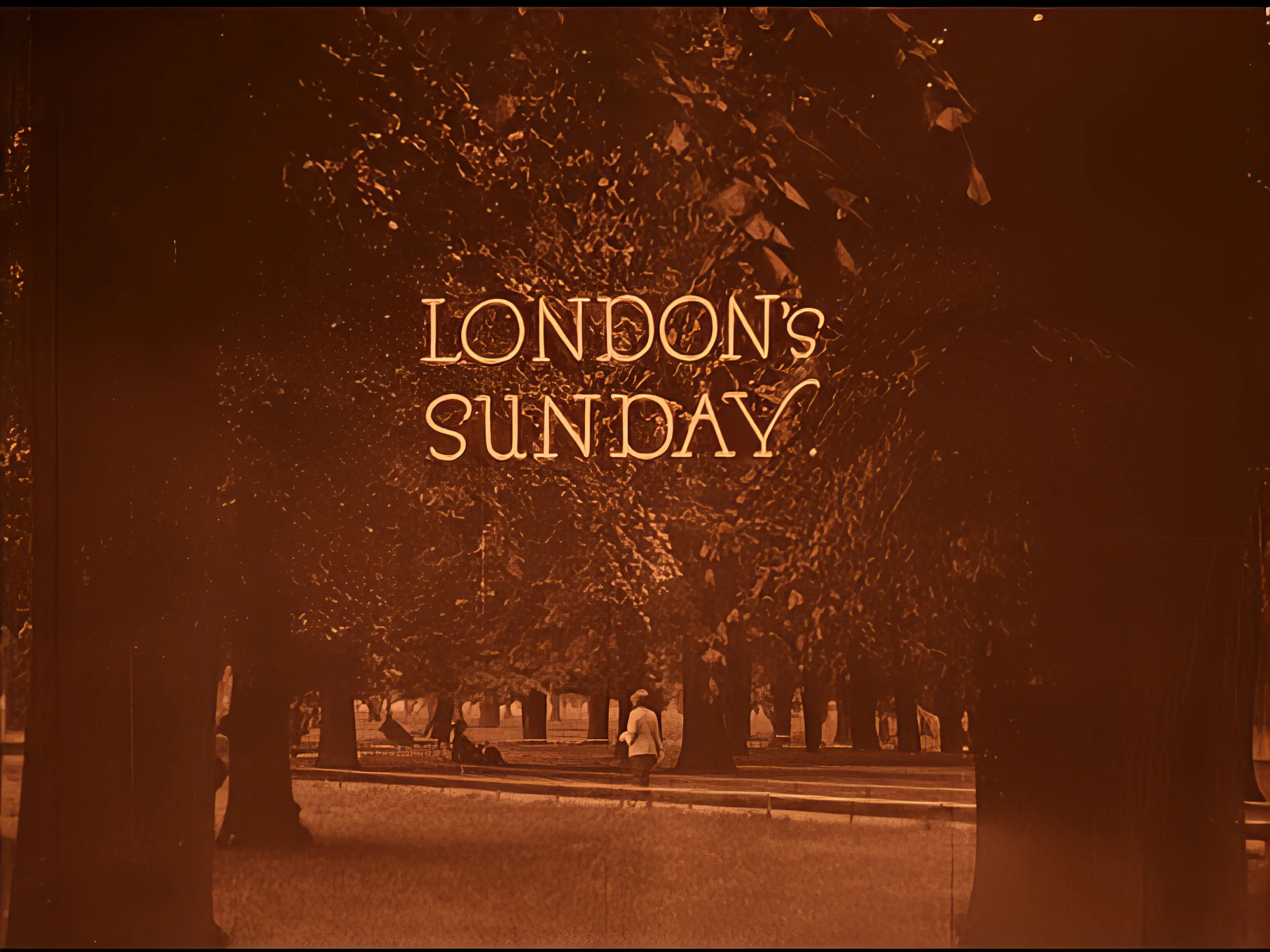
The cinematic oeuvre often presents us with grand narratives, sweeping romances, or intense dramas. Yet, there exists a profound beauty in the unadorned observation, in the patient capturing of life as it unfolds. 'Wonderful London: London's Sunday' stands as a majestic testament to this philosophy, a film that transcends mere documentation to become an immersive, almost tactile experience of a city in a specific epoch. It is not merely a chronicle of events but a symphony of sights and sounds – or, in its silent incarnation, a symphony of implied sounds – that invites us to walk the cobblestone streets, breathe the crisp morning air, and witness the myriad expressions of a metropolis in repose. From the first tentative rays of dawn painting the Thames in hues of soft gold to the final, twinkling embrace of evening streetlights, the film meticulously constructs a day, not just any day, but Sunday, a day imbued with its own unique tempo and spirit.
The film commences with an almost ethereal quality, as if the camera itself is awakening with the city. Shots of London’s iconic landmarks emerge from the pre-dawn gloom, not as static monuments, but as silent sentinels observing the slow stirring of life. The fog-kissed bridges, the hushed grandeur of St. Paul's, the tranquil waters reflecting a sky transitioning from charcoal to lavender – these initial frames are an invitation, a hushed whisper to bear witness. The cinematography here is more than just technically proficient; it possesses an almost painterly sensibility, utilizing natural light to sculpt the urban landscape. There's a particular sequence focusing on the gradual illumination of Westminster, where the stone seems to absorb the burgeoning light, shifting from an austere grey to a vibrant, living edifice. This opening act is a masterclass in mood-setting, establishing a contemplative pace that allows the viewer to absorb the atmosphere before the full vibrancy of London's Sunday explodes onto the screen.
What truly elevates 'Wonderful London: London's Sunday' beyond a mere travelogue is its unwavering focus on the human element. The city, in all its architectural splendor, serves as a magnificent backdrop for the lives that animate it. We are introduced, not to named characters with intricate backstories, but to archetypes – the collective soul of Londoners. A young flower seller, her basket overflowing with fresh blooms, navigates the awakening streets, her movements a delicate ballet of commerce and hope. Her interactions, though brief and wordless, convey volumes about the daily grind and the simple dignity of labor. Later, an elderly gentleman, impeccably dressed, finds solace and contemplation on a park bench, his newspaper a shield against the world, yet his gaze occasionally lifting to observe the unfolding panorama of leisure. These are not actors performing a script; they are individuals caught in the spontaneous rhythm of their existence, their authenticity lending the film an almost ethnographic weight. The camera does not intrude; it observes with a respectful distance, allowing the viewer to project their own narratives onto these fleeting glimpses of life.
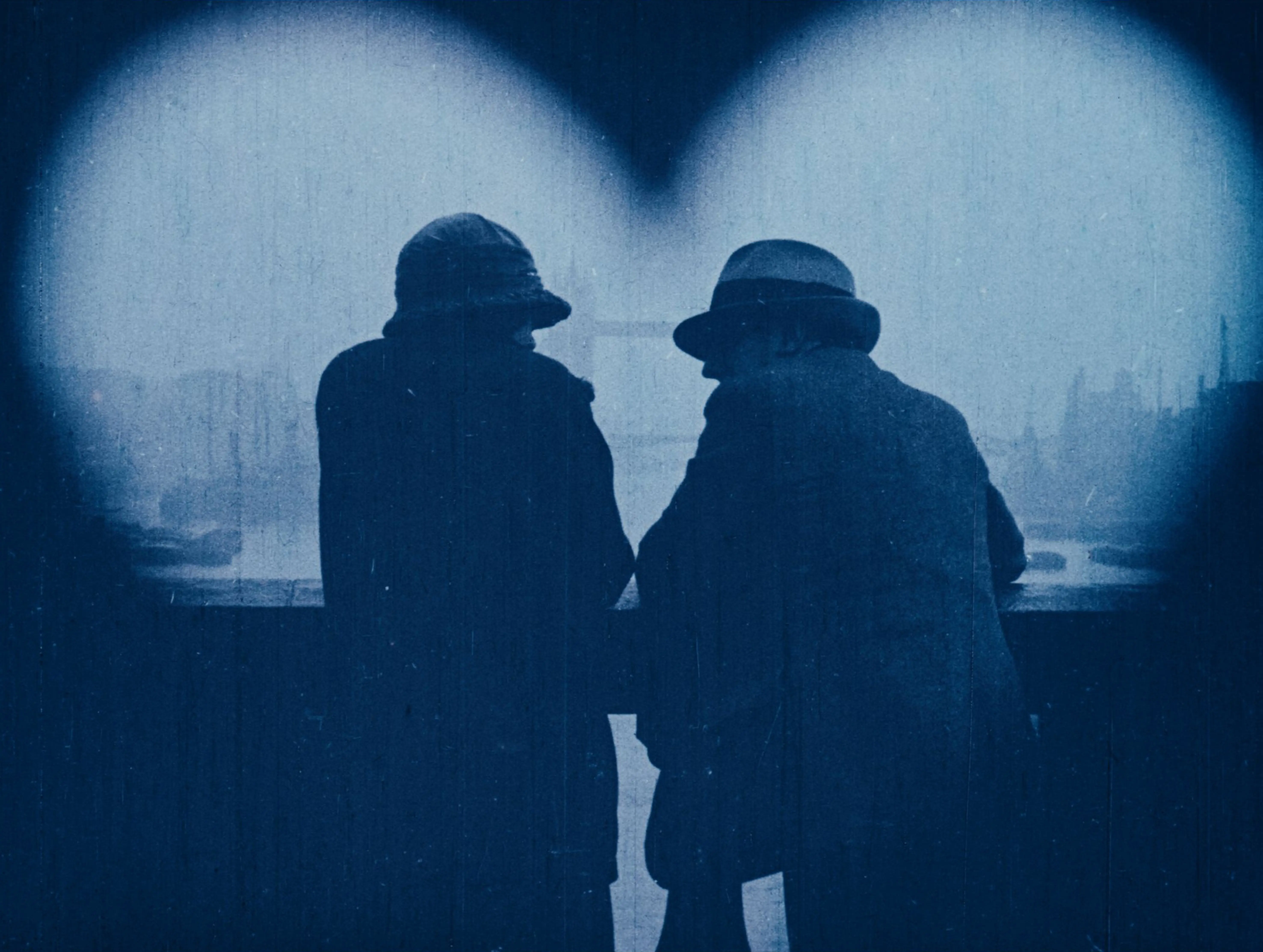
The film masterfully captures the duality of Sunday in London: a day of spiritual reflection for some, and unbridled recreation for others. Sequences shift seamlessly from the quiet solemnity of church congregations, where hushed reverence fills the grand naves, to the boisterous energy of street markets. The market scenes are a particular highlight, a vibrant explosion of human activity. Vendors hawk their wares with impassioned gestures, shoppers haggle with good-natured persistence, and the sheer volume of goods – fresh produce, trinkets, clothes – creates a kaleidoscopic visual feast. The editing here becomes more rapid, mirroring the frenetic pace of commerce, a stark contrast to the earlier meditative shots. This juxtaposition is crucial, highlighting the multifaceted nature of London life and demonstrating how a single day can encompass such a vast spectrum of human experience. The film also delves into the more leisurely aspects: families enjoying picnics in Hyde Park, children chasing pigeons with unbridled glee, and couples strolling hand-in-hand along the Embankment, their silhouettes etched against the shimmering river. These moments of idyllic repose offer a counterpoint to the city's inherent bustle, showcasing its capacity for both grandeur and intimacy.
The rhythm of 'Wonderful London: London's Sunday' is one of its most compelling attributes. The film's structural integrity relies heavily on its astute editing, which dictates the flow and emotional resonance of each segment. Early morning scenes are characterized by longer takes and slow, deliberate camera movements, fostering a sense of tranquil awakening. As the day progresses towards its vibrant midday peak, the cuts become quicker, the camera more mobile, capturing the dynamism of crowds and markets. The transition from the bustling afternoon to the gentler evening is handled with exquisite grace, with lingering shots of sunsets over rooftops and the gradual emergence of artificial light. This conscious manipulation of pace ensures that the viewer is not merely watching a series of disconnected events but is actively participating in the temporal unfolding of the day. It’s a subtle yet powerful technique that elevates the film from a mere record to a meticulously crafted piece of cinematic art, where every frame contributes to the overarching narrative of London's Sunday heartbeat. The film truly embodies the concept of a 'city symphony', where the city itself is the orchestra and its inhabitants the instruments.
Beyond its artistic merits, 'Wonderful London: London's Sunday' serves as an invaluable historical document. It offers an unparalleled glimpse into the social customs, fashions, and daily routines of Londoners during its era. The details are fascinating: the types of transport, the architecture of long-gone buildings, the specific attire of different social classes, the recreational activities that defined a day of leisure. For historians and urban anthropologists, this film is a treasure trove, providing visual evidence that often eludes written records. Yet, to categorize it solely as a historical artifact would be to diminish its profound artistic achievement. The film's enduring power lies in its ability to transcend its temporal origins. The universal themes of community, solitude, the passage of time, and the human connection to place are as resonant today as they were upon its initial release. It speaks to the timeless spirit of urban life, the way cities shape us, and how, even in a vast metropolis, individual lives contribute to a collective consciousness. It reminds us that while the external trappings of a city may change, its fundamental rhythm and the essence of its people often remain remarkably consistent.
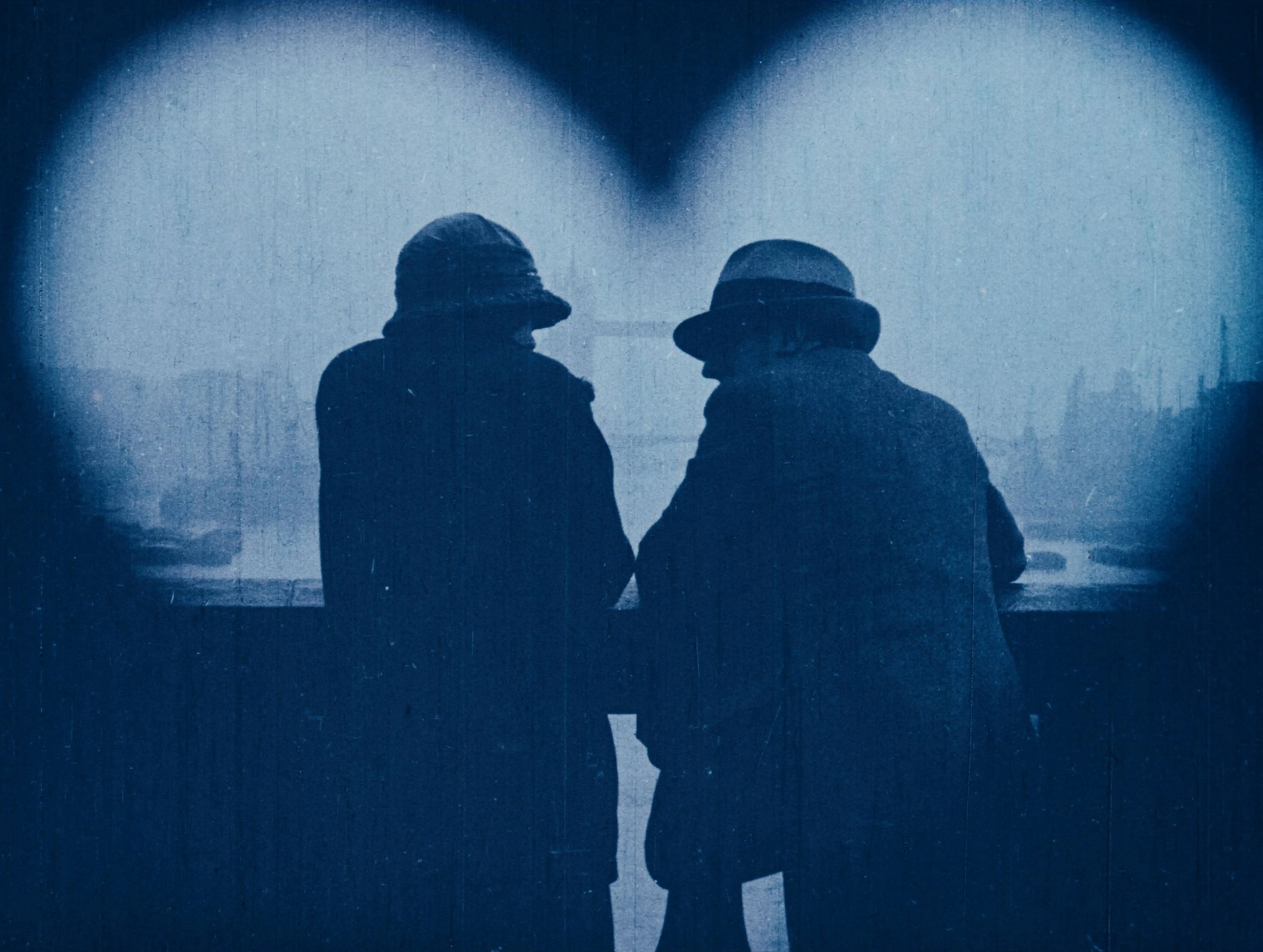
When considering 'Wonderful London: London's Sunday' within the broader cinematic lexicon, its unique position becomes even more apparent. While many films of its era focused on narrative-driven plots, this work deliberately eschews conventional storytelling in favor of observational poetry. This approach sets it apart from the more character-centric dramas like The Crow's Nest, which, despite its potential for depicting urban settings, prioritizes individual struggles and triumphs. 'Wonderful London' is less concerned with a singular protagonist and more with the collective 'character' of the city itself. Its sprawling, almost episodic structure also provides a fascinating contrast to films that capture a more confined, intense period, such as Három hét, which might explore a specific emotional arc over a defined duration. Where 'Három hét' might delve into the minutiae of personal relationships within a compressed timeframe, 'Wonderful London' broadens its scope to encompass an entire city's diurnal cycle.
Furthermore, the film's commitment to capturing authentic, unscripted moments offers a stark divergence from the often exaggerated or stylized realities presented in comedic shorts like The Champeen or The Stork's Mistake. These films, while entertaining, operate within a framework of comedic artifice. 'Wonderful London,' by contrast, grounds itself firmly in the discernible reality of its time, presenting life not for laughs or dramatic tension, but for its inherent observational richness. This dedication to depicting everyday life, albeit on a grand scale, finds a distant cousin in the social commentary implicitly woven into films like Idle Tongues, though the latter still relies on dramatic narrative to explore its themes. The London film, however, conveys its commentary through the sheer act of presentation, allowing the viewer to draw their own conclusions about class, leisure, and community simply by observing.
Even when considering films that depict a specific environment, like the rural setting potentially explored in The Runaway, the scale and ambition of 'Wonderful London: London's Sunday' remain distinctive. 'The Runaway' might focus on an individual's journey *through* a landscape, but 'Wonderful London' endeavors to embody the landscape itself, making the city the protagonist. It's a panoramic vision that captures the soul of a place, a characteristic often attempted but rarely achieved with such compelling artistry. The film's unique blend of documentary precision and poetic sensibility ensures its lasting relevance and its distinct voice in the annals of early cinema. It stands as a fascinating precedent for later 'city symphony' films, laying groundwork for how urban environments could be portrayed as living, breathing entities rather than mere backdrops.
As the day draws to a close, 'Wonderful London: London's Sunday' enters its most reflective phase. The bustling energy of midday recedes, replaced by a softer, more intimate atmosphere. Streetlights flicker to life, casting long, dramatic shadows and transforming the familiar architecture into something almost theatrical. The film lingers on these transitional moments: the last few stragglers leaving the parks, the quiet glow from pub windows, the rhythmic clatter of the last trams. There’s a palpable sense of winding down, of a collective sigh as the city prepares for another week. The final shots, often featuring the illuminated bridges and the distant glow of Big Ben, are imbued with a sense of enduring majesty and a hint of melancholy. It’s a powerful conclusion that underscores the cyclical nature of urban existence – a day of rest gives way to the promise of renewed activity. The film leaves the viewer with a profound appreciation not just for London, but for the universal rhythms of life, labor, and rejuvenation that define human experience in any great city. It is a cinematic meditation, a historical window, and above all, a timeless work of art that continues to enchant and inform.
IMDb —
1918
Community
Log in to comment.