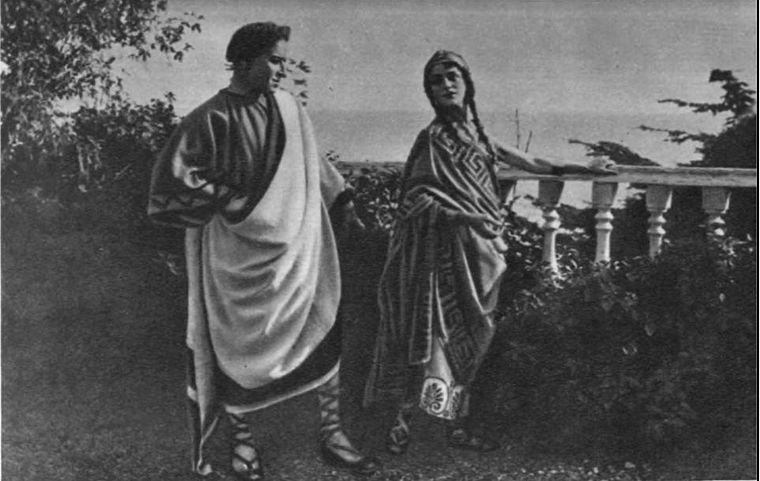
The year 1917 stands as a titanic fissure in the Russian consciousness, a moment when the tectonic plates of history shifted with such violence that the cultural output of the era often feels like a transmission from a vanishing world. Amidst this upheaval, Yulian Otstupnik (Julian the Apostate) emerged not merely as...

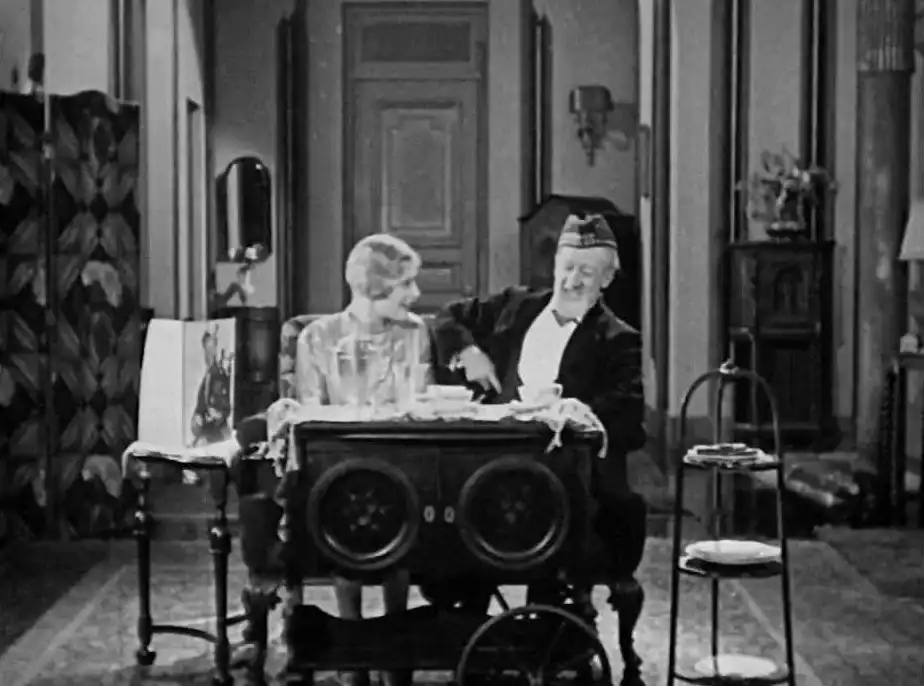
Comparing the cinematic DNA and archive impact of two defining moments in cult history.
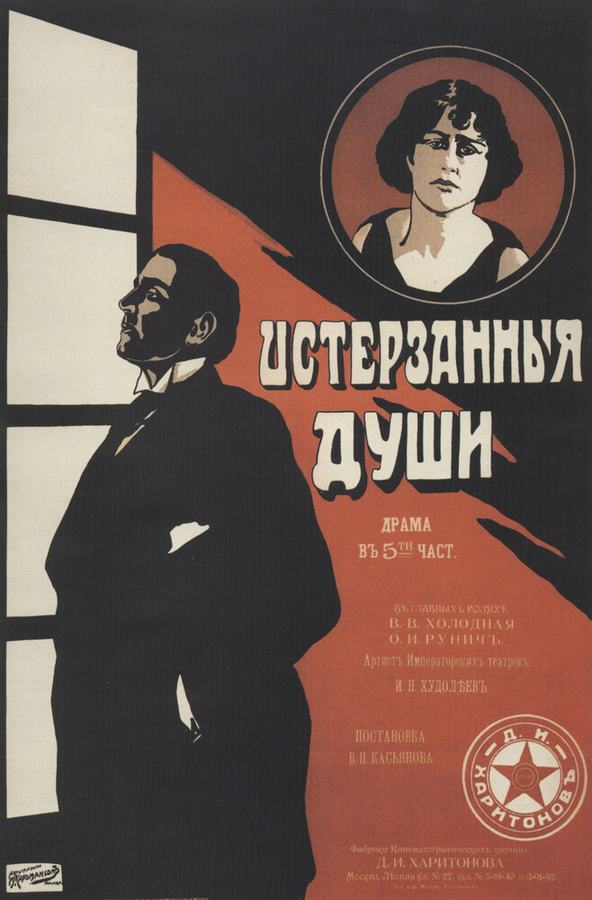
Vladimir Kasyanov
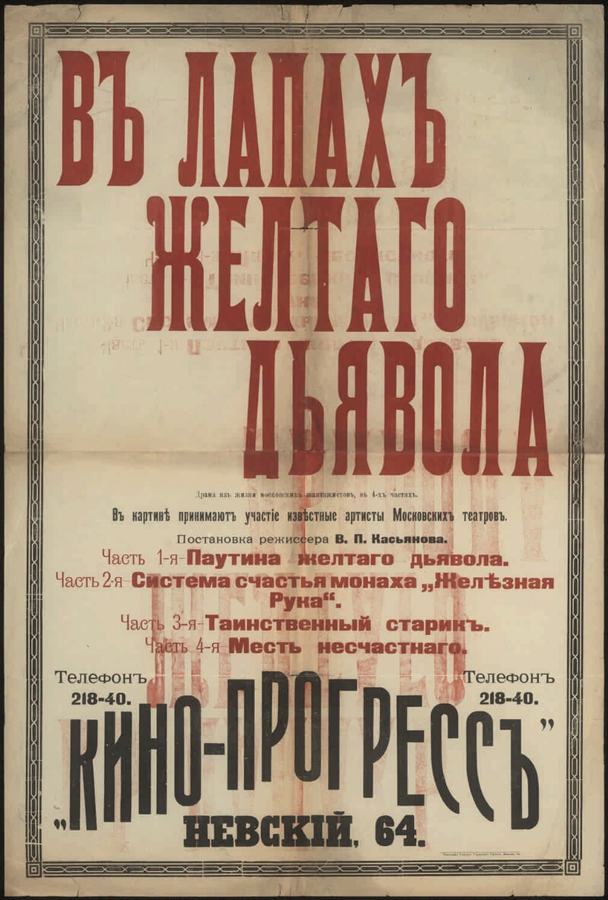
Vladimir Kasyanov
Community
Log in to comment.
" The year 1917 stands as a titanic fissure in the Russian consciousness, a moment when the tectonic plates of history shifted with such violence that the cultural output of the era often feels like a transmission from a vanishing world. Amidst this upheaval, Yulian Otstupnik (Julian the Apostate) emerged not merely as a motion picture, but as a monumental synthesis of literature, philosophy, and the burgeoning grammar of silent cinema. Directed by Vladimir Kasyanov and adapted from the intellec..."
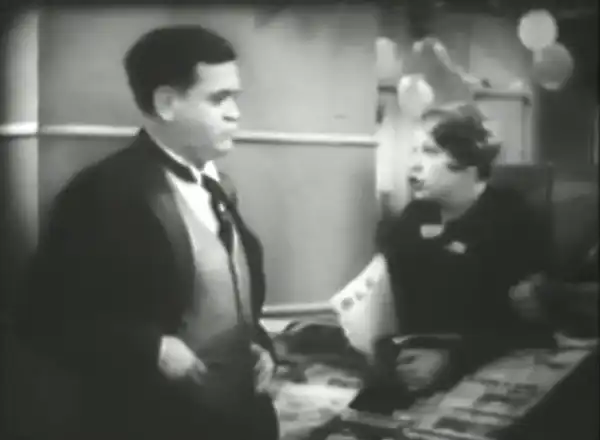
Deep dive into the cult classic
Discover similar cinematic experiences
A Directorial Spotlight on Vladimir Kasyanov