United States
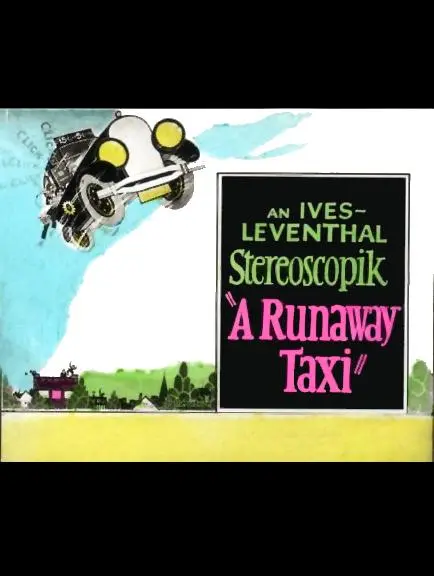
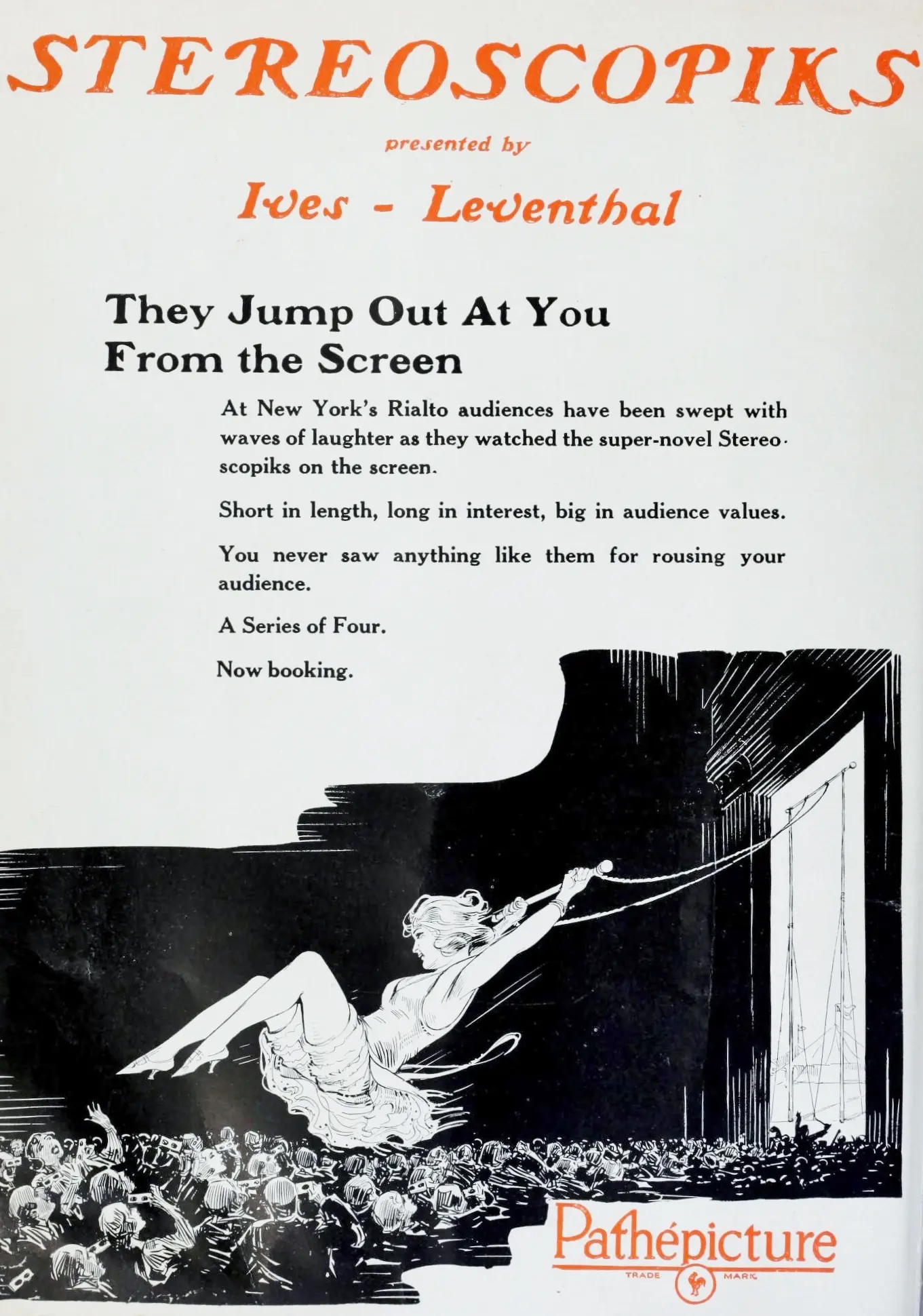
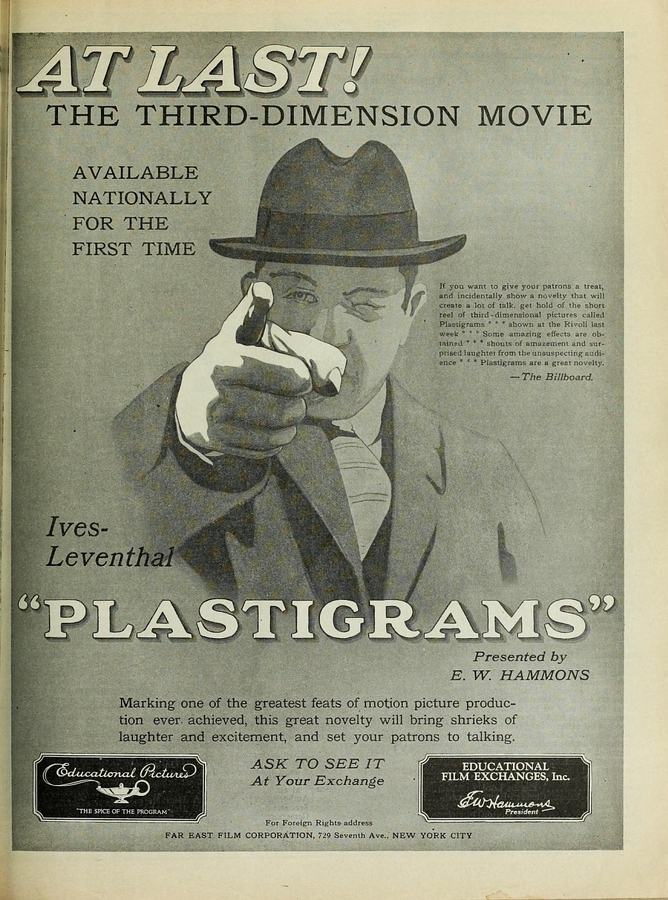
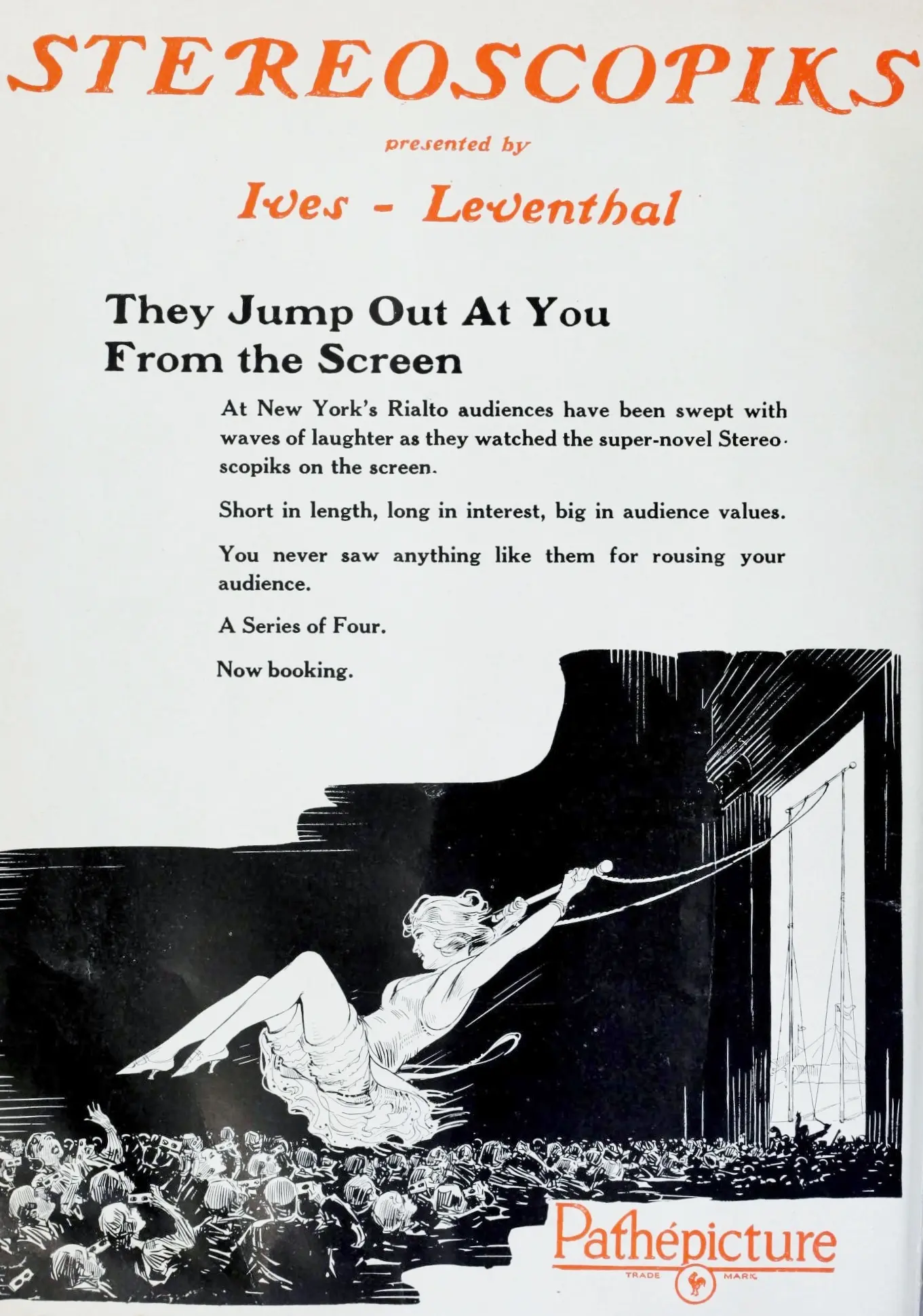
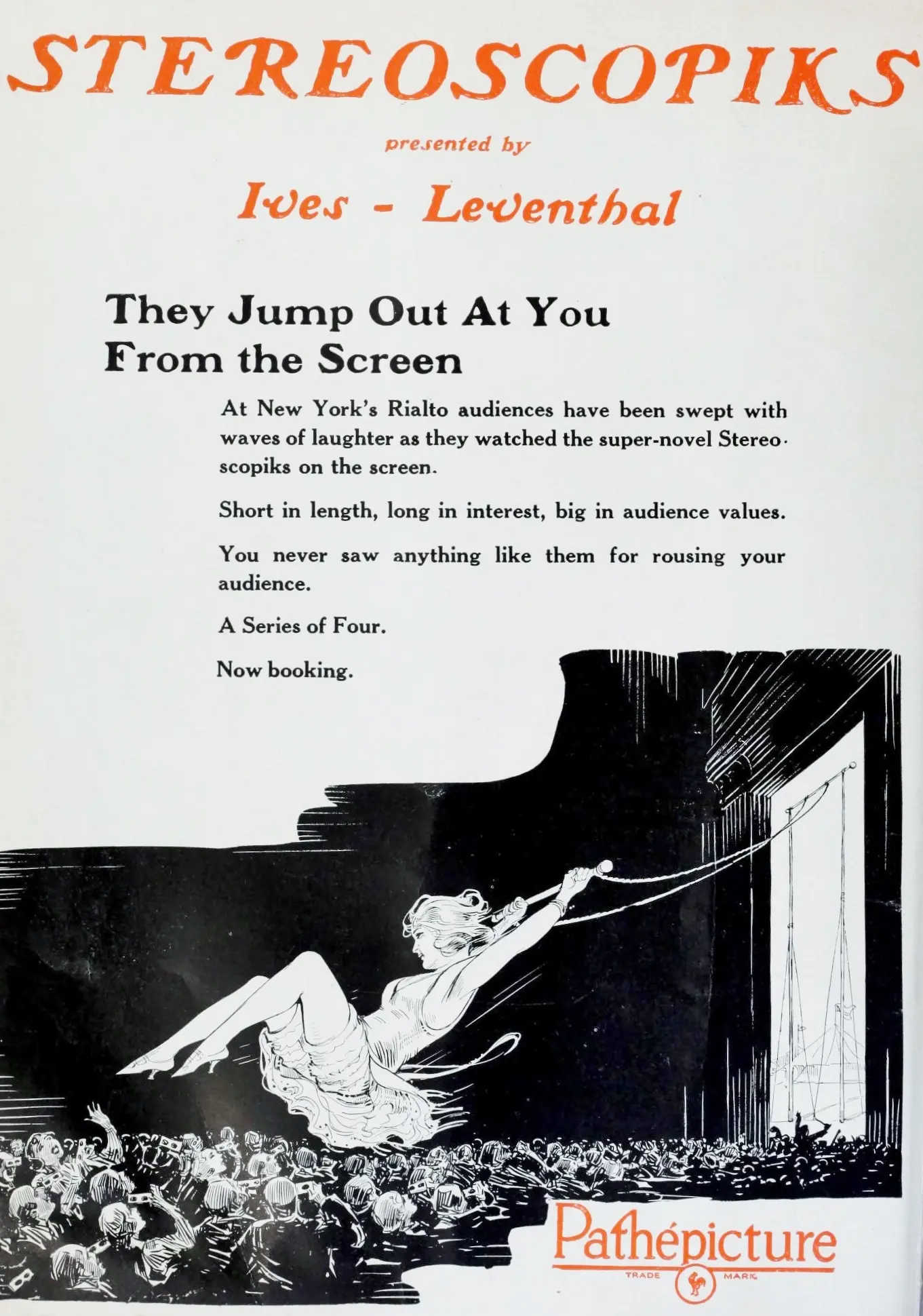
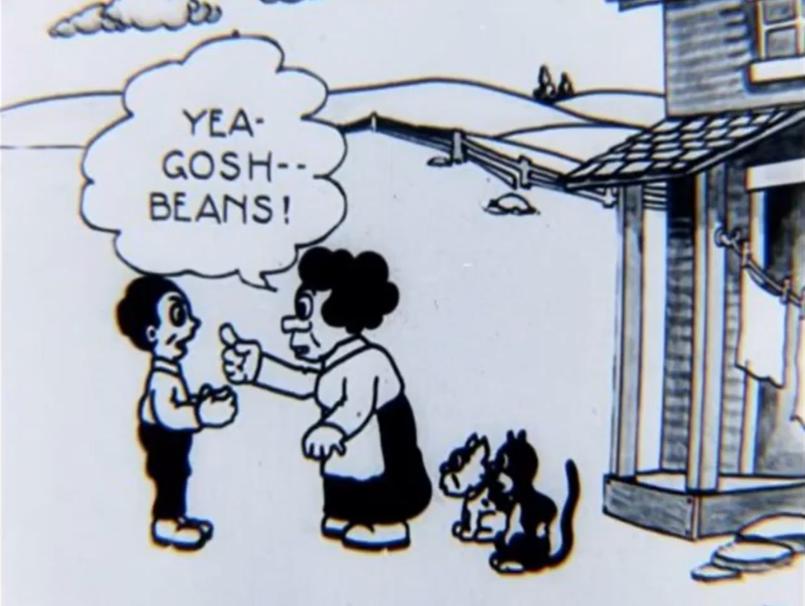
Is Zowie (1925) a essential piece of cinematic history that you need to watch today? Short answer: No, unless you are a dedicated film historian or a glutton for technical oddities. This film is for the archival enthusiast who finds beauty in the grain of a 100-year-old negative; it is certainly not for the modern view...
Comparing the cinematic DNA and archive impact of two defining moments in cult history.
Frederick Eugene Ives
Reggie Morris
Community
Log in to comment.
"Is Zowie (1925) a essential piece of cinematic history that you need to watch today? Short answer: No, unless you are a dedicated film historian or a glutton for technical oddities. This film is for the archival enthusiast who finds beauty in the grain of a 100-year-old negative; it is certainly not for the modern viewer seeking a cohesive narrative or emotional stakes.Frederick Eugene Ives and Jacob Leventhal didn't set out to make a movie that would compete with the dramatic weight of The Gole..."