DbcultAccessing Vault...
Cult Review
Senior Film Conservator
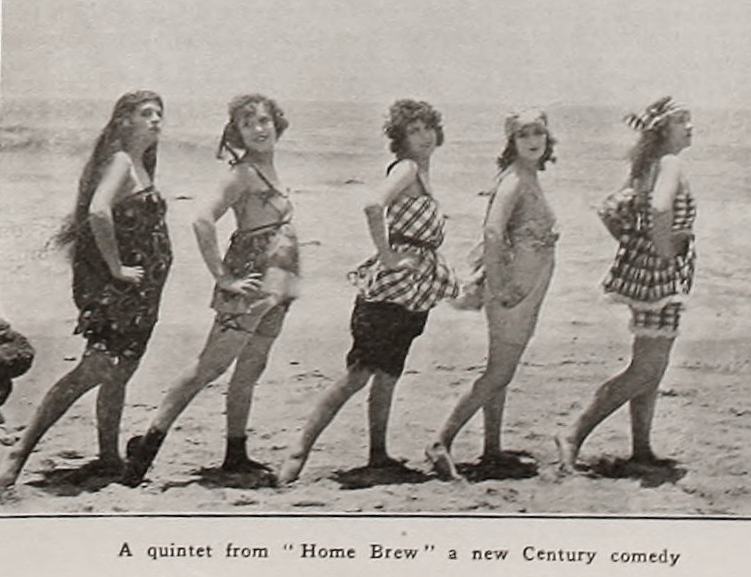
Bootleg bubbles rise like mischievous ghosts in Home Brew, a 1920 one-reeler that feels boot-stitched from barbed wire and honey. Director-writer Tom Buckingham, a name too cavalier for oblivion, distills Americana into 12 minutes of nitrate hysteria: a flivver backfiring, gingham skirts whirling, a barn door slapping starlight off its hinges. The plot—ostensibly a pursuit of illicit liquor—plays more like an incantation to the patron saint of hangovers.
In a hamlet that cartographers forgot, Dorety’s good-natured tonsorial artist concocts a serum promising transcendence in a Mason jar. Word travels faster than a Model T on corduroy roads; Henley’s sardonic postmistress—equal parts Louise Brooks and stick of dynamite—commandeers the operation, dreaming of city lights financed by corn-squeezed gold. Their alliance is volatile: she schemes in semaphore eyelashes, he stumbles in alcoholic arabesques. When federal dry-agents appear—thin as prohibition pamphlets—the film tilts into Keystone vertigo: ladders through haylofts, a horse mistaken for a revenue man, trousers scorched by blow-back flame. The narrative arc is less a crescendo than a hiccup that refuses to resolve, ending on a wink that suggests the whole country might still be tipsy.
Buckingham’s camera swills light like a binge drinker. Daylight is over-exposed until fence slats glow radioactive; night scenes swim in cobalt, faces edged with sulfur flare. The surviving 16 mm dupe is scarred—scratches like boot tracks across hoarfrost—yet every blemish quickens the illusion of bootleg urgency. Intertitles, hand-lettered with jittery caps, hurl slang that predates jazz-age dictionaries (“Hang your wig, the gumshoes are hinky!”). The tinting strategy—amber for indoor frolic, viridian for outdoor peril—recalls the fever dreams of The Decoy, though here the palette is spattered with nicotine fingerprints.
Charles Dorety, unjustly relegated to footnotes, possesses the elastic soul of a circus contortionist. His double-takes ripple from scalp to metatarsus; when a jar of liquor detonates, his limbs register shock faster than the blast itself—a living special effect. Connie Henley answers with flapper flamboyance: her smirk could unseal an envelope at twenty paces. Together they choreograph a duet of sabotage, equal parts seduction and sabotage, as if Anna Karenina’s Vronsky were reborn a bootleg baroness and decided to jitterbug.
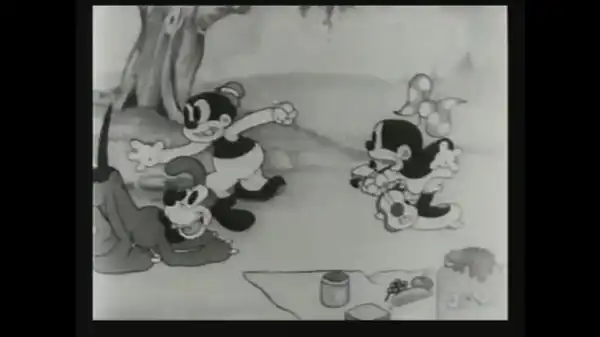
Supporting caricatures—a somnambulant sheriff, a toddler wielding a corkscrew—function like percussion, never lingering past the punchline. Their absence of depth is deliberate; this is a cartoon before animation codified its grammar.
Though mute, the film clamors for a soundtrack. Modern audiences instinctively supply slide-whistles and ukulele; archivists report 1920 pit-orchestras accompanying it with fox-trot medleys. I recommend the viewer conjure Tom Waits clanking a trash-can polka—each scrape syncopated with Dorety’s pratfalls. The absence of official score births a participatory aura, turning living rooms into speakeasies where footfalls stand in for snare drums.
Prohibition arrived January 1920; Home Brew premiered months later, bootlegging topicality into celluloid. Unlike moralistic screeds (see Life’s Shop Window), it celebrates the speakeasy spirit, lampooning feds rather than sinners. The film thus anticipates the gangster chic of the coming decade while never abandoning slapstick’s pastoral innocence. Its timeliness was its expiry; by 1925, bootleg tropes ossified into cliché, yet the short survives as a time-capsule of first-flush rebellion.
Where Napoleon und die kleine Wäscherin leans on historical burlesque, and Gólyakalifa blends surrealism with social allegory, Home Brew offers pure Prohibition placebo—no moral, only momentum. It shares DNA with Just Neighbors in its communal fracas, yet trumps that film’s domestic squabbles by weaponizing alcohol itself as both MacGuffin and mise-en-scène.
Only one partial print survives, housed at Eye Filmmuseum, Amsterdam. A 4K scan could resurrect micro-expressions currently drowned in emulsion fog, but budgetary drought shackles the project. Until then, ripples of Home Brew circulate via bootleg DVDs—an irony the filmmakers would toast with illicit gin. Viewers hungry for context should chase it with Kevin Brownlow’s Prohibition docuseries, letting history ferment between sips.
Modern comedy too often mistakes volume for wit; Home Brew conversely trusts gesture, the squeak of a shoe, the pregnant pause before a punchline. In an age of algorithmic gags, its handcrafted humor feels defiantly analog, like a love letter scrawled on a brown paper bag. Moreover, the film’s gender politics intrigue: Henley’s postmistress steers the crime, unmartyred, unpunished—a proto-feminist moonshiner. That progressiveness bubbles under burlesque, awaiting rediscovery by scholars weary of damsel stereotypes.
Its brevity, too, is virtue. In the attention-economy TikTok epoch, 12 minutes is merciful; the film ends before irony corrodes charm. You emerge dizzy, not drained—a shot rather than a kegstand.
Historians rank Home Brew alongside Detective Brown and Sweetheart of the Doomed as emblematic of post-war escapism, yet prints remain scarce. Festival curators occasionally splice it into “Roaring Twenties” retrospectives, usually as comic amuse-bouche before weightier fare. Cinephiles who encounter it there describe a giddy contagion: audience foot-stomping provides the soundtrack, laughter ricocheting like bullets in a speakeasy raid.
Academia, however, lags. Few dissertations probe Buckingham’s oeuvre; Tom Buckingham’s name evokes shrugs even in cine-club circles. Perhaps the film’s lack of self-importance doomed its reputation. It never demanded to be called art, only to be swallowed, gulped, remembered through hazy recollection—like any good night of clandestine drinking.
I first watched Home Brew on a scratched DVD-R while nursing a broken heart and a cheap lager. The combo proved alchemical: Dorety’s spills mirrored my emotional face-plants; Henley’s smirk felt like forgiveness. By the final wink, sorrow had fermented into something effervescent. Great cinema, even at 12 minutes, can re-distill life’s dregs into amber hope. I raise an imaginary jar to Buckingham, wherever his ghost tipples now.
1. Environment: Dim lighting, but not pitch-black; emulate a cellar door ajar. 2. Beverage: Craft cider or a negroni—something bitter-sweet to parallel the film’s tonal seesaw. 3. Company: One witty friend; too large a crowd dilutes intimacy. 4. Post-screen: Chase with Charley Chase’s Mighty Like a Moose to keep the buzz bubbling.
Final pour: Home Brew is a shot of white-lightning slapstick—sharp, swift, liable to leave you grinning like a cat in a creamery. Seek it, sip it, then pass the jar before the feds arrive.
IMDb —
1922
Community
Log in to comment.