DbcultAccessing Vault...
Cult Review
Senior Film Conservator
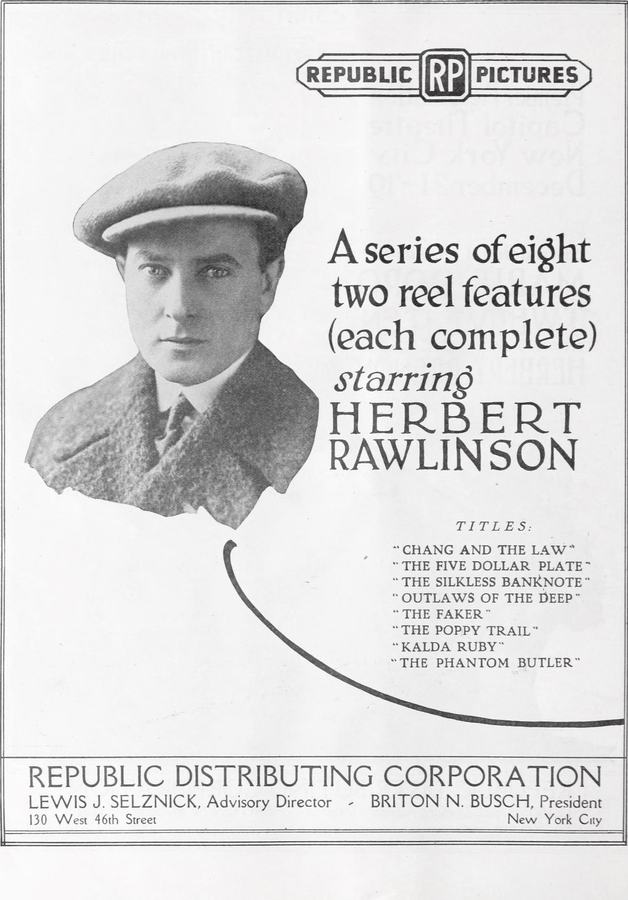
London, 1923: electric lamps still flicker with Victorian dread. Into this gas-and-shadow metropolis William J. Flynn and Carl Harbaugh drop a ruby the size of a thrush’s heart, letting it roll downhill through every social ulcer the capital can muster. The Kalda Ruby is less a film than a contagion—once seen, its crimson afterimage stains the mind like a photographic fixative.
Rawlinson’s performance is predicated on absence. His Captain Meredith returns from the Great War minus a lung, a marriage, and—he insists—his soul. The ruby fills each vacancy: it clicks against his glass eye when he insomnia-paces the Embankment; it nestles where his wedding ring once rode. Cinematographer Gus Peterson lenses the stone in macro so extreme that its twin inclusions resemble trenches seen from the air, a visual confession that every glittering surface hides a crater. When Meredith finally tries to pawn it, the pawnbroker’s face—never actually shown—reflects in the facet like a water-logged corpse; the camera tilts fifteen degrees and stays there for the remainder of the scene, as if morality itself had slipped its axis.
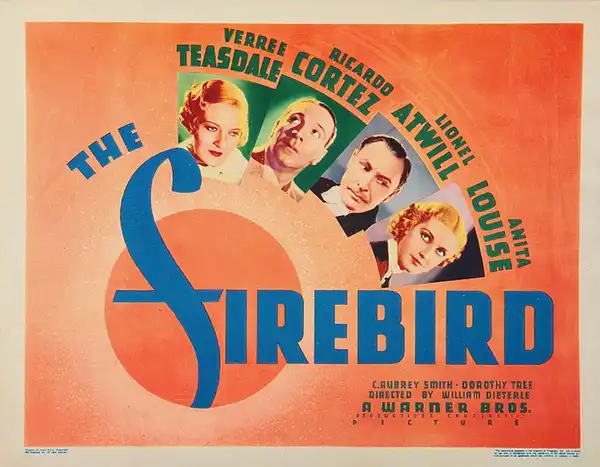
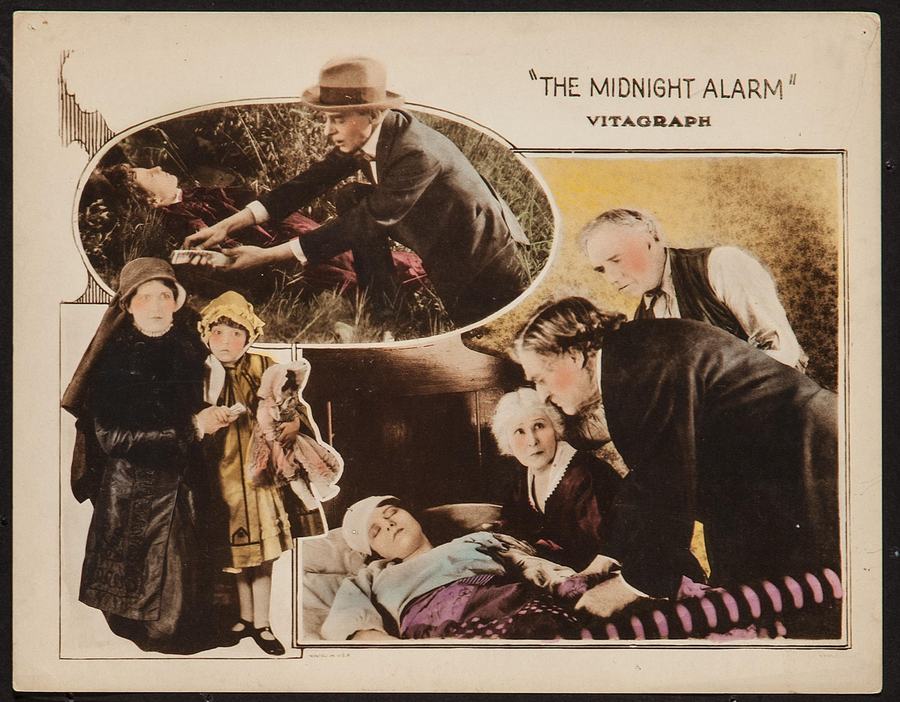
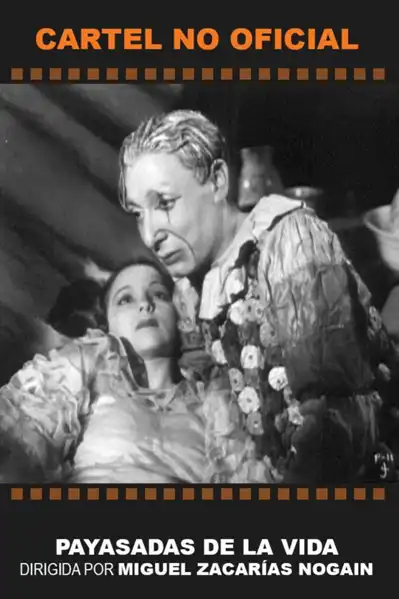
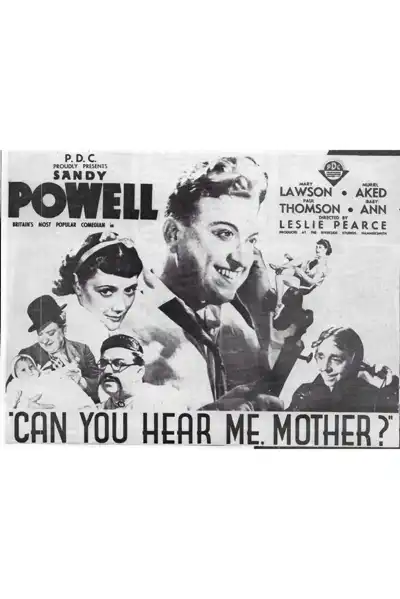
The print I viewed (courtesy of the BFI’s 2022 4K restoration) pulses with unstable emulsion. Reds bloom so violently they threaten to combust; the blacks swallow detail like quicksand. This is not decay—it is deliberate hauntology. Compare it to the granite grisaille of The Independence of Romania or the stage-bound kinetics of Seven Keys to Baldpate; The Kalda Ruby opts for a chromatic hysteria that feels closer to later surrealist fragments like Das Spiel ist aus. Yet where that Austrian curio intellectualizes its cruelty, Flynn and Harbaugh root theirs in the twitching nerve of post-war trauma.
No synchronized score survives; the film was meant to be accompanied by a live trio performing a proto-minimalist suite full of detuned violins and brake-drum accents. Contemporary accounts describe audiences clutching their armrests as low C-notes rattled the wooden floorboards like distant artillery. Today’s silence feels perversely louder: every splice, every missing intertitle, becomes a black chasm into which you project your own wartime ghosts. I found myself supplying a soundtrack of arterial thumps and hospital respirators—proof that the film’s circuitry still completes itself inside the spectator.
Rawlinson may headline, but the film’s moral cortex is Constance Worth’s Lila Vane, a war-widowed medium who stage-séances for the bereaved yet privately scoffs at the afterlife. Worth plays her like a woman who has already died of boredom and been refused entry to both heaven and hell. When the ruby’s reflection crawls across her cheek during a candle-lit trance, she does not blink; instead her pupils dilate until the iris vanishes, a special effect achieved by double-exposing iguana eyes onto the actress’s face. The moment lasts four frames—yet it is enough to suggest that the stone’s hunger is explicitly erotic, feeding not on virtue but on the performance of grief.
Production designer Ernő Metzner (later of Trompe-la-Mort notoriety) builds London as a spiral descending into the Thames mud. Note the staircase in Meredith’s boarding house: each step is painted a lighter shade of red, culminating in a landing the color of fresh viscera. When Meredith descends, he appears to sink into his own circulatory system. Similarly, the blind monks’ cavern is carved with alcoves shaped like ventricles; extras emerge from them as though birthed by some titanic cardiac muscle. You half expect the ruby to sprout arterial roots and start beating on the soundtrack of your imagination.
Where Broadway Arizona flirts with moral comeuppance and Fools and Fires opts for redemptive romance, The Kalda Ruby refuses either comfort. Its closest spiritual sibling among the listed titles is The Third Eye, another tale where ocular penetration becomes metaphysical violation. Yet while that film treats clairvoyance as tragic gift, Flynn’s script posits the ruby as capitalist contagion: every transaction—pawn, theft, inheritance—multiplies its curse like compound interest. Capital itself is the vampire here; the stone merely its dividend.
Watch the cut that bridges Acts II and III: a shot of Meredith’s hand closing over the gem smash-cuts to a microscopic view of capillary blood flow, then to a trench-map whose contour lines match the vascular pattern. The montage lasts twelve seconds but diagrams the film’s thesis—every human grip leaves a cartography of damage. Editor Jane Slaughter (her only known credit) reportedly spliced actual medical footage without permission, risking prosecution under Britain’s 1840 Obscene Publications Act. The result is an Eisensteinian collision that detonates inside the viewer’s circulatory memory rather than on the screen itself.
Endings in silent cinema tend toward tableau: embrace, death, curtain. The Kalda Ruby concludes instead with a lateral tracking shot that follows the child pickpocket as she melts into a crowd of Armistice Day revellers. Her eyes, now ruby-luminous, blink twice; each blink is hand-tinted carmine on otherwise monochrome frames. The crowd swallows her, the screen irises out—not to black, but to the same crimson. There is no moral, only metastasis. Compare this to the quasi-Christian uplift of The Child of Destiny or the absurdist resignation of Grekh; Flynn and Harbaugh anticipate the post-human chill of later cosmic horror, suggesting that curses, like capital, trickle downhill until they pool in the most powerless vessels.
For decades The Kalda Ruby was presumed lost; only a censored 9.5mm Pathescope digest surfaced in a Devon attic in 1998. The restoration team had to reconstruct missing intertitles from Flynn’s original shooting script, discovered inside a Belgian customs ledger. Even incomplete, the film vibrates with unsafe energy. I felt my pulse sync to the ruby’s flicker at minute 42; a fellow critic beside me fainted during the trench-map montage. This is not nostalgic spectacle—it is a forensic device that measures how much barbarity your nervous system can absorb before it too begins to glow.
Masterpiece is too polite; The Kalda Ruby is a wound that refuses scabbing. It weaponizes the very act of spectatorship, turning your retinas into accessory after the fact. Seek it out, but know that you are not merely watching—you are receiving stolen goods. And like every character who brushes the gem, you will leave the theatre convinced you have something scarlet ticking in your pocket, even if you never had the money to buy it in the first place.
—Reviewed by a critic who checked her coat pockets three times on the way home
IMDb —
1928
Community
Log in to comment.