DbcultAccessing Vault...
Cult Review
Senior Film Conservator
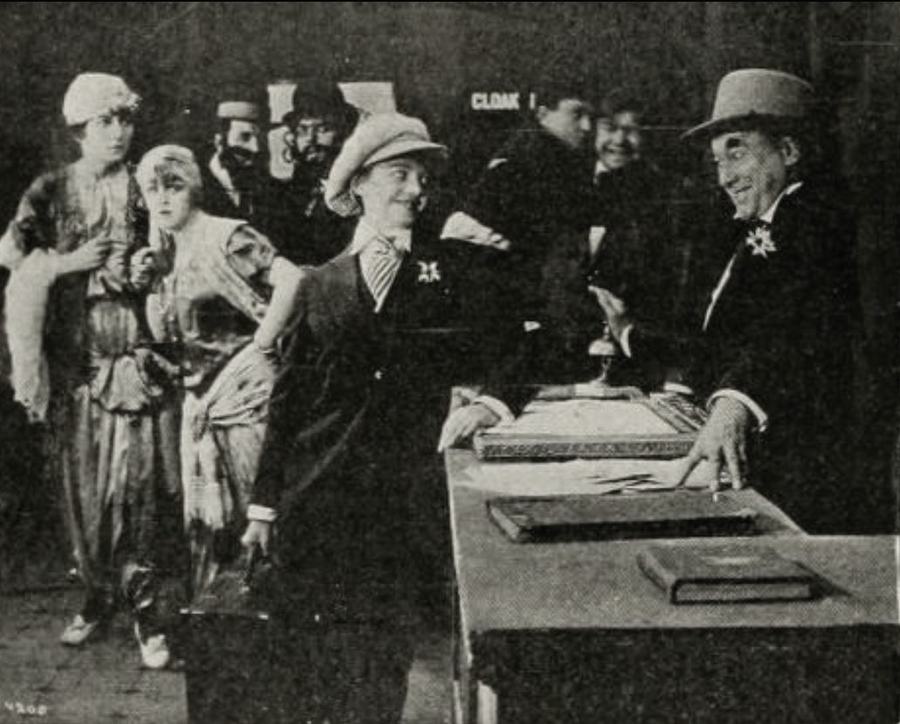
Picture, if you can, a reel of nitrate still warm from the projectionist’s hand, its silver images flickering like minnows across a midnight pond. That is the only proper way to approach A Bunch of Keys—a film that treats inheritance like a custard pie and then flings it straight into the face of propriety.
The Keys Inn—half clapboard cathedral, half flea-bitten sanctuary—squats at the crossroads of nowhere and everywhere. Its veranda sags under the moral weight of too many rocking chairs; its register reads like a census of appetites. Within this liminal space, the uncle’s death is not an ending but an ignition. The will, that parchment tyrant, decrees that beauty itself will be the final barter. Yet the metric is not comeliness but its opposite: the homeliest heir inherits. The gag is Shakespearean in cruelty, Mack Sennett in execution.
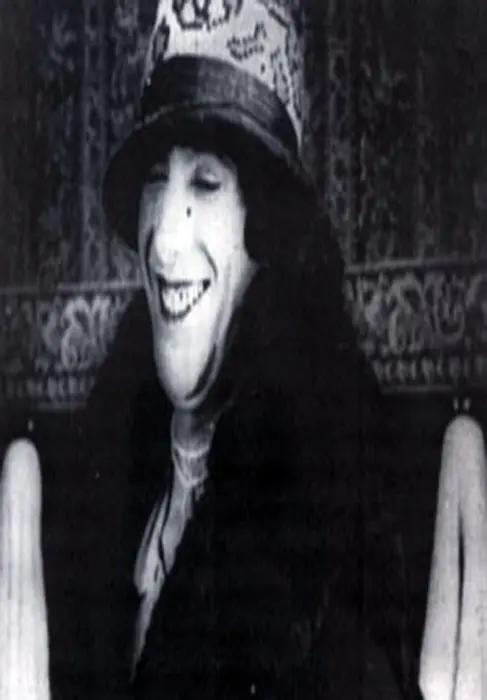
Rose glides as though perpetually balanced on the final note of a hymn; her ankles never quite decide whether to walk or to curtsy. May, meanwhile, is a confection of belle-ism, every eyelash a tiny exclamation point. They are the visible regime of femininity circa 1914—see but do not touch, touch but do not feel. Then there is Teddy, a human firecracker misplaced in a drawing room. Charlotte Mineau plays her with a backward tilt of the head that suggests she has already read tomorrow’s newspaper and found it wanting. Teddy’s readiness to impersonate ugliness is not surrender but insurgency: she will weaponize the male gaze by aiming it at herself, pulling the trigger, and watching the recoil topple every spectator.
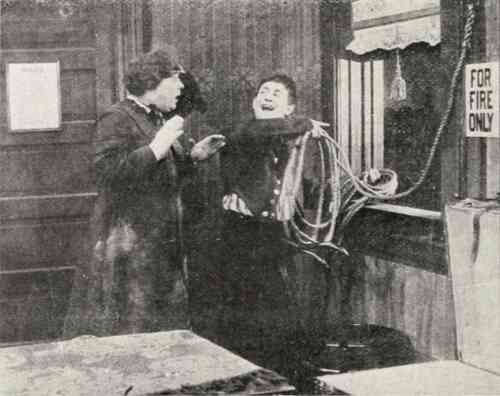
William Burress gives Snaggs a voice like velvet soaked in coal oil—smooth, but you can smell the blaze coming. He is the film’s true anarch, more so than the black-coated bomb makers lurking outside. Observe the way he courts Teddy while calculating her dowry in the same breath, how his pupils dilate not at her wit but at the imagined clink of coin. The screenplay, adapted from Charles Hale Hoyt’s stage farce, allows him a soliloquy of gestures: a fingertip brushing the rim of a teacup becomes a mortgage; the tilt of his Panama hat becomes a wedding vow.
In a lesser film, the jilted widow would evaporate after Act I. Here she barges back in trousers and a mustache that looks suspiciously like it was borrowed from a cat. Played by June Keith with a swashbuckling swagger, Matilda stalks the corridors in search of restitution. Her gender drag is not a disguise but a reveal: she demonstrates that the power Snaggs seeks was always costume-deep. When she finally corners him, the camera lingers on her smile—half triumph, half mourning—for the fortune she has lost and the self she has regained.
Teddy’s transformation into a drummer is achieved with a flick of a necktie and a smudge of soot on the cheek, yet the metamorphosis is total. Suddenly she can stride, spit, and bargain. The lobby’s threshold becomes a border crossing: on one side, the republic of the seen and commodified; on the other, the mobile sovereignty of trousers. Silent cinema lacked spoken dialogue but not dialectics; every frame of Teddy’s performance is an essay on how capital and gender share the same cash register.
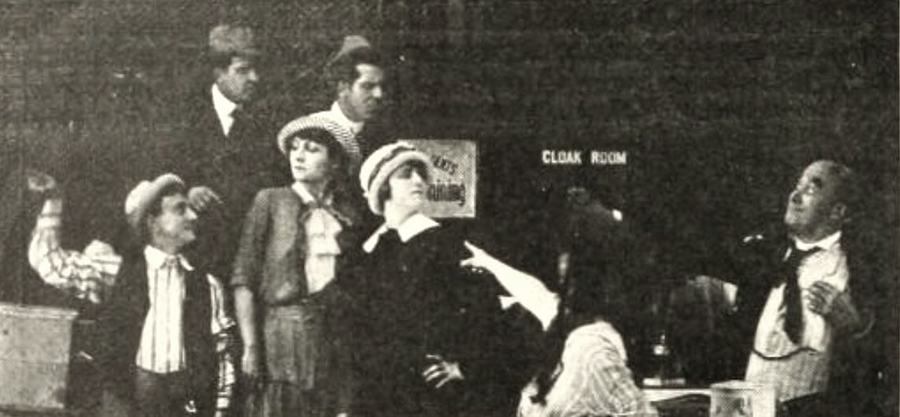
That the sisters’ suitors outsource their dirty work to bomb-planting radicals is the film’s slyest joke. These anarchists, imported from some off-screen Europe of the American imagination, are both lethal and laughably entrepreneurial. They haggle over explosives the way other contractors argue over tile grout. When the bomb finally erupts beneath the safe, the blast is not revolution but renovation: it tears away the wallpaper of legality to reveal the studs of raw appetite.
Teddy, soot-faced but triumphant, snatches the fluttering will from the smoke. The clause she reads feels like a parental apology issued posthumously: the sisters may divide the spoils. The modal verb is a gentle revolution; it converts property from a zero-sum battle into a potluck of solidarity. Note the reflexive disappointment on Snaggs’s face: he is not angry at losing the fortune—he is apoplectic at losing the contest. Capitalism without competition is theology without hell.
What follows is a free-forlorn ballet of torn sleeves, flying deed papers, and unmustachioed lips. Director Charles Hale Hoyt keeps the camera far enough back to let the madcap geometry breathe; bodies ricochet across the lobby like billiard balls with grudges. The revelation of each disguise—veil, mustache, or accent—lands like a punchline in a language only cinema speaks.
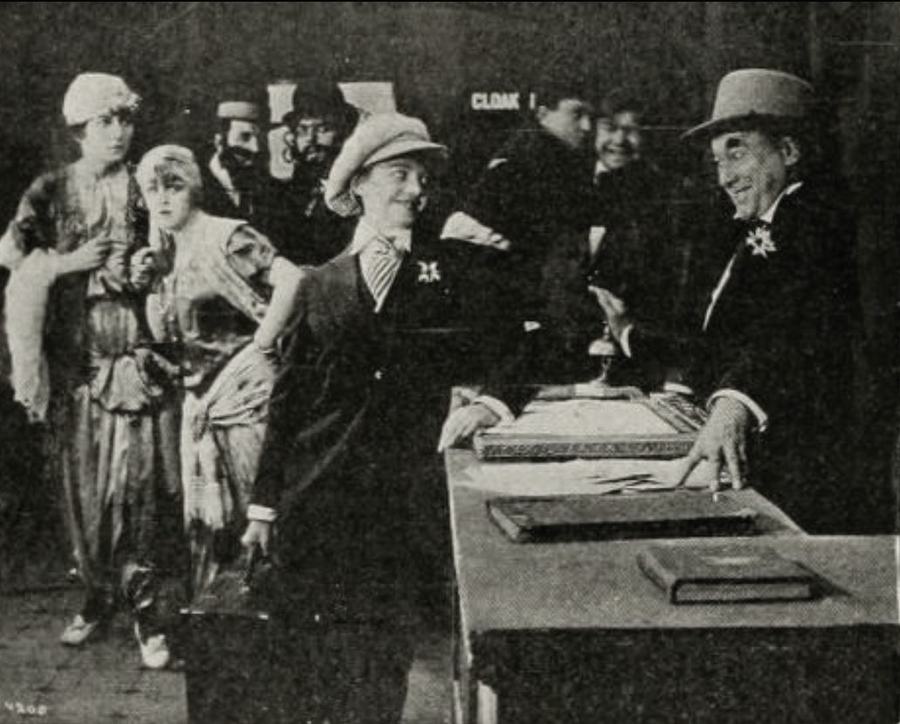
Mineau’s Teddy is the film’s voltaic center, but watch too how Leota Chrider’s Rose weaponizes a fan the way a magician wields misdirection, and how June Keith lets the widow’s grief seep through the corners of her grin. William Burress earns both jeers and pity; when his Snaggs finally slinks away, the emptiness of his coattails is a silent scream.
The surviving print—scarred, flecked, occasionally bloomed with fungus—nevertheless offers chromatic surprises. A flash of brass buttons, a ribbon of sun-yellow gingham, the sea-blue stripe on a drummer’s necktie: these hues detonate against the monochrome like rebel flags of a country that never quite existed.
Released months before Sarajevo’s pistol cracked the old century in half, A Bunch of Keys is both escapist and prophetic. Its anarchists are cartoonish, yet they foreshadow the real bombs that will soon gut Europe’s palaces. Its gender masquerades anticipate the wartime reallocation of labor that will put women in trousers and men in trenches. Even the uncle’s clause—share if you wish—feels like a pre-echo of the post-war cry for reconstruction, redistribution, reparation.
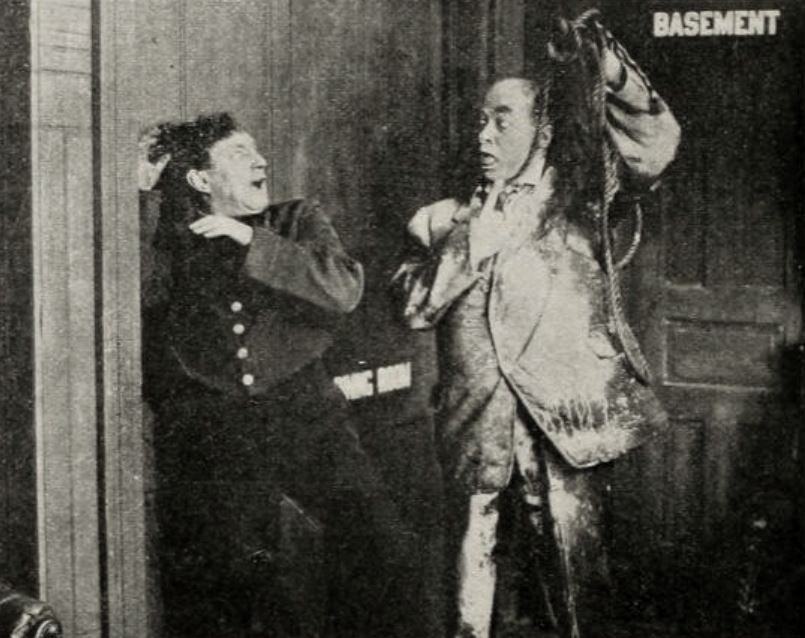
Where The Cave Man treats gender as brute vaudeville and One of Our Girls polishes the pedestal, Keys lets femininity fracture into competing brands and then watches the market crash. Compared with Strike’s proletarian wrath or A Factory Magdalen’s moral rehabilitation, the film’s explosion is less revolution than revelation: property itself is the final drag act.
No pristine 4K restoration exists—yet. A 35 mm duplicate negative slumbers in the Library of Congress; 16 mm classroom prints circulate among private collectors like samizdat. Streaming? Keep an eye on Criterion Channel’s quarterly silent reels and on Kanopy’s rotating archival carousel. For the intrepid, MoMA occasionally screens it with a live toy-piano accompaniment that makes the bomb sound like a hiccup from a tipsy xylophone.
Because we still live in a century where billionaires cosplay as populists and beauty pageants masquerade as diplomacy. Because the question of who gets the keys—to property, to gender, to narrative—remains combustible. Because sometimes the only sane response to a rigged contest is to dress up, blow the safe, and rewrite the clause. Teddy’s wink, as the last frame flickers, is a century-old dare: Come on, kid—what will you disguise yourself as when the world insists you’re already ugly?
Verdict: 9/10—A riotous nitrate grenade whose shrapnel still stings.
IMDb —
1926
Community
Log in to comment.