DbcultAccessing Vault...
6.5/10
Senior Film Conservator
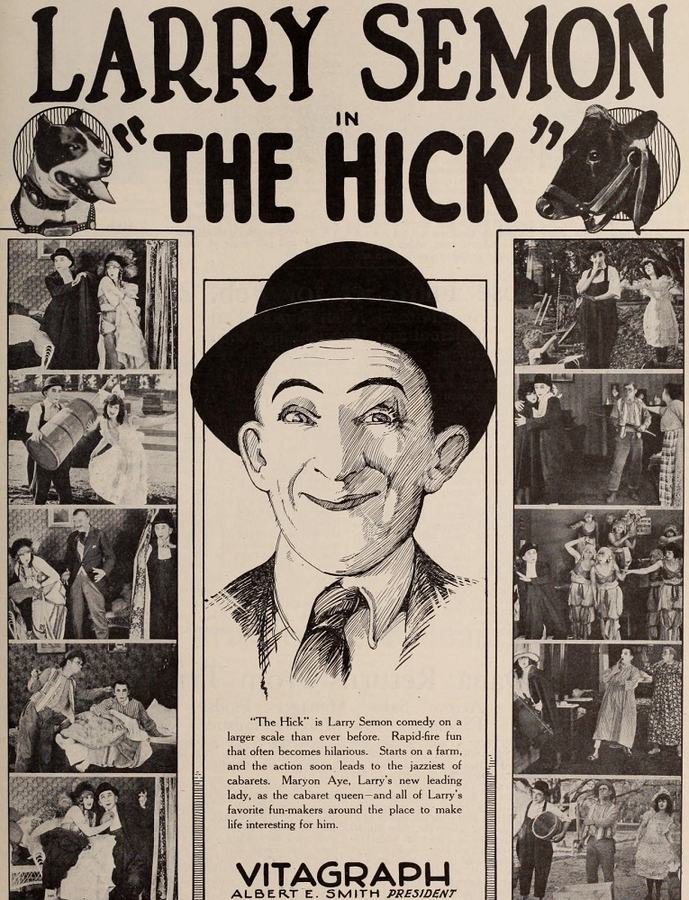
A definitive 6.5/10 rating for a film that redefined the boundaries of cult cinema. The Hick remains a cornerstone of transgressive art.
A barn door slammed shut by a gale of gossip; that is the sound which opens The Hick, and the reverberation never quite dies.
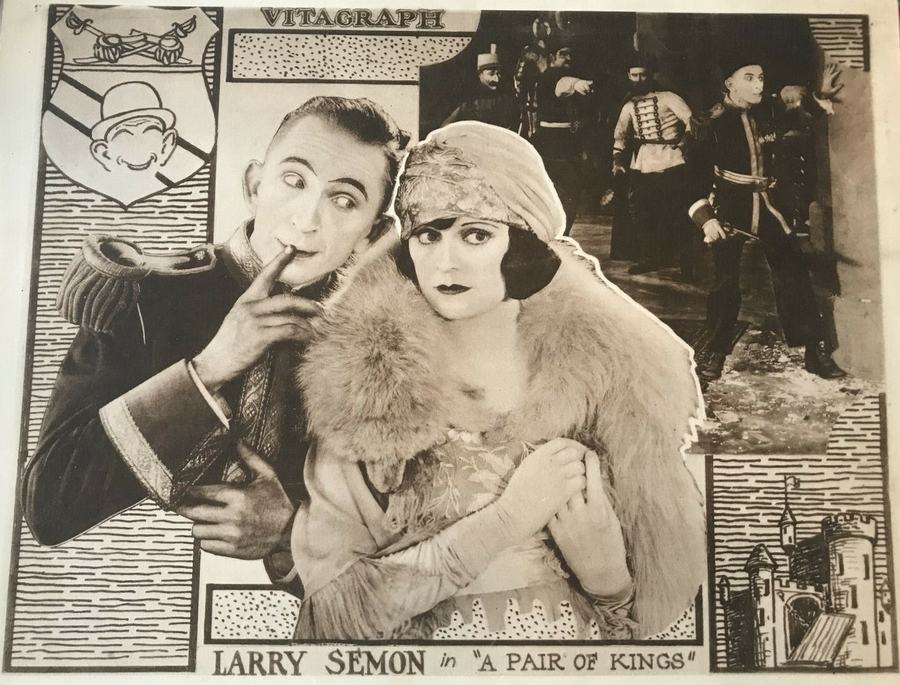
Larry Semon’s 1922 one-reeler—stretched to a nervous 58 minutes—pretends to be a bucolic romp, yet every frame sweats with dread. Compare it to The White Circle and you’ll notice the same predatory stillness in the rural wide shots: land not as Eden but as creditor, forever demanding its pound of flesh.
Marion Aye, lit like a Pre-Raphaelite scarecrow, moves through the story with the wary grace of someone who has already read the last page of her life. Her Daisy (no last name, as if the town cannot be bothered) is introduced in a single iris-in: she is crouched among tomato stakes, teeth tearing twine because no knife is at hand. The gesture is brutal, practical, erotic—Semon’s shorthand for a woman who has learned that everything, even courtship, must be wrestled to the ground.
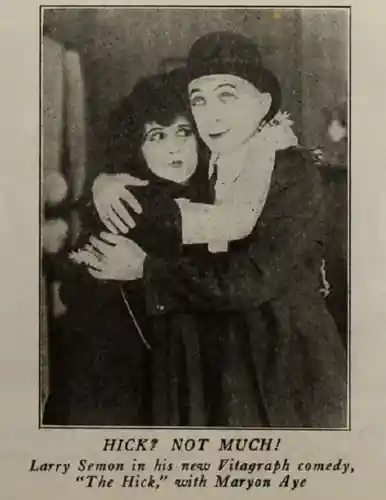
Enter the hick: Al Thompson, all elbows and sunburn, a walking aphorism for the phrase land-poor.
Instead of the bashful stammer we expect, Thompson’s farmer greets desire like a stubborn mule: head down, charging. Their first conversation is filmed in relentless long shot so that we see the vast, indifferent wheat between them—an ocean of class. When he finally seizes her wrist, the camera tilts twenty degrees, as though the world itself is embarrassed.
Frank Hayes, as the father, has a face like a drought-cracked field. He never raises his voice; he only squints, and the squint is jurisprudence enough. In one devastating aside, he weighs his daughter against a stack of seed sacks, hands on hips, the scale of parental valuation rendered without subtitle. Silent cinema rarely got this quietly savage; compare his stillness to the convulsive patriarchs in Tangled Lives and you realize how much menace can be carried in the creak of a leather glove.
Semon’s own screen persona—rubber-limbed, derby-hatted—should feel incongruous, yet he weaponizes it. Each pratfall is a social puncture: a hay-bale avalanche buries the local sheriff, a ladder catapults a banker into a pig wallow. The gags scream: your hierarchies are matchstick scaffolding. But the laughter catches in the throat when the same gag structure is turned against the lovers; suddenly the barn-raising becomes a tribunal, beams swinging like gallows.
The midpoint chase—usually a tiresome silent filler—here feels like a Brechtian carnival.
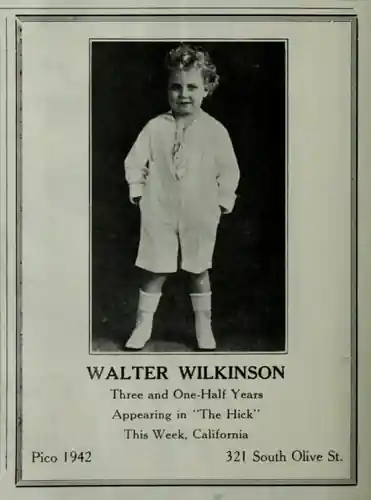
Walter Wilkinson’s camera mounts the threshing machine, the blades churning in dizzying close-up, so that every cut returns us to metallic jaws. Love on the run becomes love on the grind. When Daisy trips and her calico snags on barbed wire, the frame freezes just long enough for us to register scarlet bloom on fabric; Semon refuses to show the wound again, trusting the audience to carry that ghost-image into the final reconciliation.
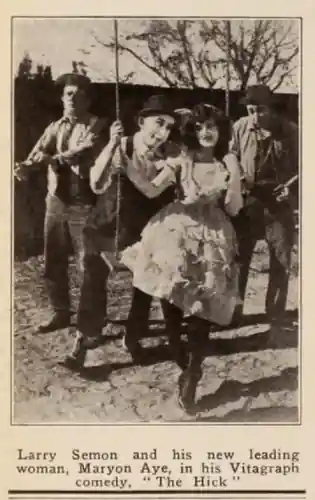
And what reconciliation! Not the expected elopement under moonlight, but a shotgun ceremony at civil dawn, the bride’s eyes ringed with sleeplessness, the groom’s hands still smelling of tractor oil. The priest—a cadaverous Jack Duffy—reads vows off a scrap of envelope because no one owns a prayer book thick enough for poor folk. The camera recedes until the wedding party is a smudge against wheat, the marital pact indistinguishable from the threshing contract. Fade to black.
Critics in 1922 dismissed it as hayseed melodrama; they were too busy praising the urban flappers of Pussyfoot. Yet the film’s DNA strands can be traced through later rural tragedies, even winding into the poisoned agrarian utopias of Alkohol and A Mother’s Ordeal.
Technically, The Hick is a mongrel. Semon shot half the exteriors in the blistering San Fernando valley sun, coaxing a bleached, almost sepia palette that anticipates the dust-bowl photography of the next decade. Interiors were cranked at the Liberty Studios backlot, where art director William Hauber built a farmhouse interior on a gimbled platform so it could pitch during the cyclone gag. The result is a weird verisimilitude: doors really do jam, rafters really do splinter—no trick photography, just sweat and risk. One test screening report notes that a splinter flew twenty feet and slit the cinematographer’s cheek; Semon kept the scar in the final intertitle, a sly trophy.
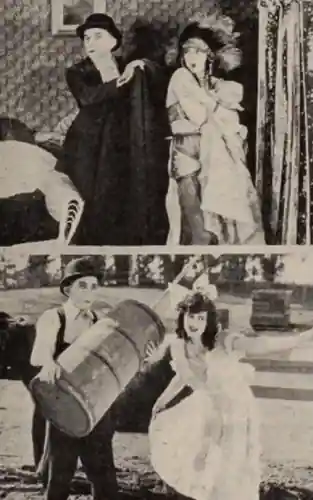
The score, now lost, was described by Motion Picture News as a banjo sigh answered by fiddle shriek. Contemporary festivals have commissioned new accompaniment; last year’s Pordenone revival paired it with a percussive prepared-piano suite that hammered the audience into the same furrowed exhaustion the lovers feel. I carried that sound out of the auditorium like dirt under fingernails.
Performances resist the period’s usual semaphore acting.
Aye micro-shifts her shoulders when the father’s gaze lands on her—half flinch, half armor. Thompson, primarily a comic second banana, locates a wounded bullishness; watch how his grin collapses sideways when Daisy admits she cannot read. In that instant you glimpse the chasm of cultural capital that no amount of slapstick can bridge. It is the inverse of the urbane seductions in Irish Eyes; here, desire is freighted with illiteracy, debt, and the looming foreclosure of joy.
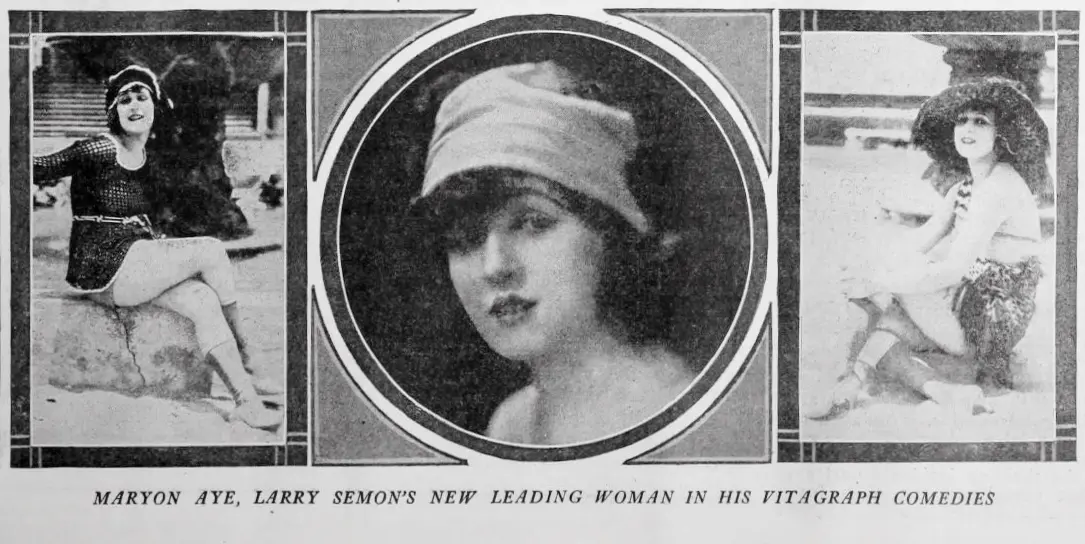
Gender politics, inevitably, curdle if judged through a modern lens. Daisy is traded, bargained, almost bartered for a harvest cut. Yet Aye’s performance sneaks in slivers of agency: she engineers the midnight tryst by deliberately leaving the pitchfork tines pointing north—her private compass for the lover who cannot read stars. In the penultimate reel she refuses the elopement, declaring via intertitle, “I won’t crawl into love like a dog under a fence.” The line shocked 1922 audiences expecting another swooning farmgirl; it still vibrates with defiance.
Semon’s screenplay, cobbled together in frantic story sessions at Al Levy’s Café, borrows the three-act skeleton of barnyard farce then fractures it with class rage. Read the continuity script (preserved at UCLA) and you’ll find excised passages: a speech about cooperative farming, a vision of tractors replacing men and women alike—Marxist whispers the producers demanded cut. Those deletions haunt the finished film like phantom limbs; you sense argument where now only silence buzzes.
Comparative taxonomy: place The Hick beside The Peace of Roaring River and you see two opposing mythologies of American soil—one preaching harmony, the other exposing indenture.
Pair it with Leben heisst kämpfen and you detect the same expressionist fatalism, though Semon swaps Teutonic gloom for sun-scorched bitterness.
Restoration status: 4K scans from the surviving 35mm nitrate held by EYE Filmmuseum revealed frames blistered like burnt toast. Digital cladding stabilized the image without ironing out the heat-haze tremor that makes every stalk of wheat look ready to combust. The tints—amber for day, cyan for dusk—were recreated using Harrison & Harrison’s 1922 dye manuals; the result is a hallucination of rust and bruise, as though the film itself has been left to oxidize in a barn loft.
Bottom line: The Hick is not a curio but a wound.
It scrapes away the barn-dance nostalgia that sugarcoits collective memory of early twentieth-century rural life, revealing the economic barbed wire underneath. To watch it is to understand how desire and debt can share the same bed, how a wedding ring can feel like a shackle forged from wheat chaff. Ninety minutes after the final fade you will still smell diesel and damp soil, and you will glance at any horizon—urban or rural—with a newly suspicious squint, half expecting it to demand payment for the simple crime of looking.
IMDb 5.6
1914
Community
Log in to comment.