DbcultAccessing Vault...
Cult Review
Senior Film Conservator
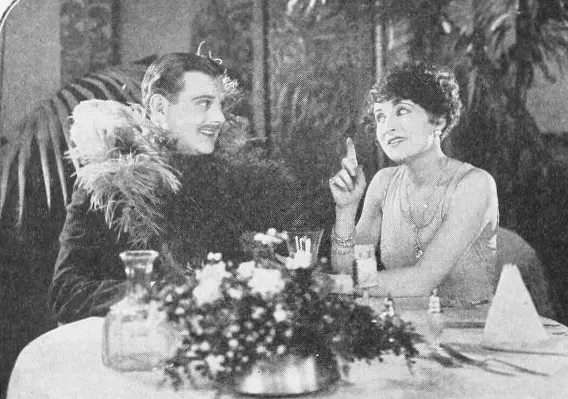
Is this film worth watching today? Short answer: yes, but only if you appreciate the frantic, clockwork precision of 1920s domestic farce. It is a fascinating time capsule for those who enjoy silent-era social commentary, but it will likely frustrate modern viewers who demand a protagonist with a functioning moral compass.
This film is for the dedicated cinephile interested in the 'Helen and Warren' series or those who study the evolution of the 'misunderstanding' trope in comedy. It is absolutely not for anyone looking for a romantic lead they can actually root for, as Warren is essentially a walking red flag in a tuxedo.
1) This film works because the structural irony of the climax is genuinely clever, weaving a business deal and a domestic spat into a single, high-stakes knot.
2) This film fails because the character of Warren is so dismissive of his wife that the 'happy' ending feels like a victory for corporate greed over emotional intelligence.
3) You should watch it if you want to see how silent cinema handled the 'house detective' archetype, which is performed here with classic slapstick flair by Fred Kelsey.
Yes, the humor in A Business Engagement remains effective because it relies on situational irony rather than just dated puns or physical gags. The central premise—a man nearly ruining his career because he’s trying to hide a perceived infidelity—is a timeless comedic engine. While the social mores have changed, the panic of a man caught in a compromising position is universal.
The pacing of A Business Engagement is its greatest asset. Directorially, the film understands that a farce must breathe before it can run. We start with a quiet, simmering domestic tension: the forgotten birthday. This is a grounded, relatable conflict that provides the emotional stakes for the madness that follows.
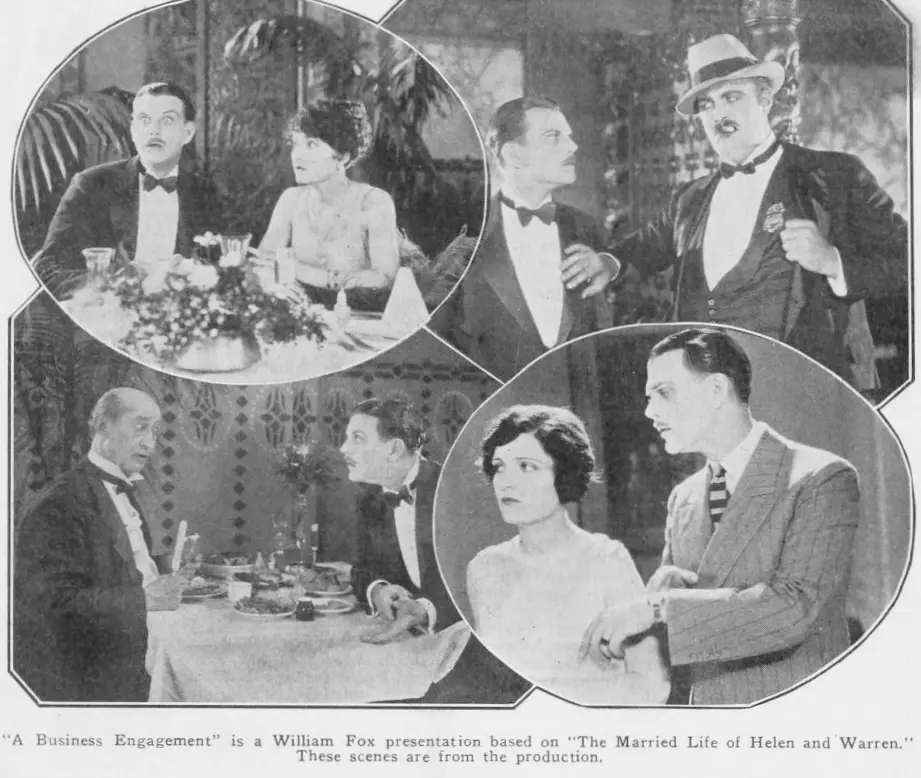
When the action shifts to the hotel, the film adopts a more kinetic style. Hallam Cooley plays Warren with a jittery, high-strung energy that feels modern. He isn't just a caricature; he’s a man whose blood pressure you can almost feel rising as the walls close in. This is a stark contrast to the more deliberate, pantomime style seen in films like Fanchon, the Cricket.
The cinematography by the uncredited cameraman uses the hotel suite’s architecture to great effect. Doors become characters. The way the camera tracks Warren as he ducks behind furniture to avoid the house detective creates a sense of claustrophobia. It’s a technique that would be perfected years later, but here it feels raw and experimental.
Katherine Perry’s Helen is the secret weapon of this production. In many films of this era, the wife is a passive victim of the husband’s antics. Perry, however, gives Helen a streak of vengeful agency. When she catches Warren in what looks like a tryst, she doesn’t just weep; she weaponizes her own social standing by flirting with an old friend.
There is a specific moment where Helen looks at Warren’s forgotten wallet and sighs—a small, nuanced gesture that tells the audience everything they need to know about their marriage. It’s a level of internal acting that wasn't always present in 1925 shorts. She carries the emotional weight of the film while the men are busy tripping over rugs.
Contrast this with the performances in Any Woman, where the female lead is often trapped by circumstance. Helen isn't trapped; she’s participating in the game, which makes the eventual reconciliation feel all the more cynical. She chooses to stay because the 'big contract' is landed, not because Warren has changed.
Let’s be honest: Warren is a nightmare. He is the original 'hustle culture' victim. The fact that the film rewards him for his negligence by giving him the contract at the end is a biting, perhaps unintentional, critique of the American Dream. He ignores his wife, gets into a brawl, insults his client, and still comes out on top.
This is a debatable point, but I argue the film is more of a tragedy than a comedy if you look at it through a modern lens. The 'happy ending' is purely financial. It’s a cold conclusion. But it’s effective.
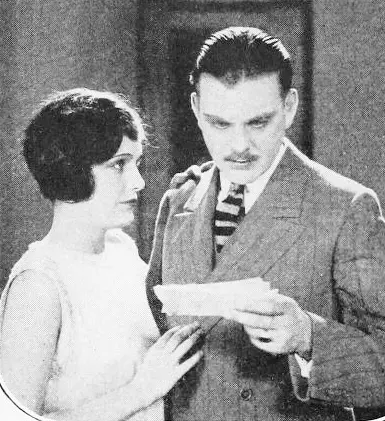
The film suggests that in the world of business, a man can be a complete idiot in his personal life as long as he lands the signature on the dotted line. It’s a cynical take that feels surprisingly relevant today.
While the film is a social comedy, it doesn't shy away from the physical roots of the era. The inclusion of Hank Mann and Fred Kelsey brings a touch of the Keystone energy to the proceedings. The mix-up with the house detective is handled with a precision reminiscent of The Scarecrow, though with less surrealism and more grounded stakes.
The scene where Warren is about to 'lick' (fight) his wife's companion is a highlight of physical tension. The way the actors occupy the space, narrowly missing each other in the hotel corridors, shows a high level of choreographic planning. It’s not just random running; it’s a dance of errors.
Pros:
- Tight, economical storytelling with zero wasted frames.
- Genuine tension during the hotel sequence.
- A clever, if cynical, final twist.
- Excellent use of the 'House Detective' trope for comic relief.
Cons:
- The protagonist's behavior is genuinely grating.
- The 'other woman' is used merely as a plot device with no interiority.
- The birthday subplot is discarded too quickly once the business plot takes over.
Mabel Herbert Urner was famous for her 'Helen and Warren' stories, which were a staple of American newspapers. This film captures that serialized feel. It feels like an episode of a longer saga, which explains the lack of a traditional 'character arc.' Warren doesn't learn anything. He just survives.
The writing is sharp, focusing on the friction of the mundane. It’s about a wallet. It’s about a birthday. These are small things that the film inflates into a life-altering crisis. This is the hallmark of good farce. If you look at Anything Once from the same year, you see a similar interest in the chaotic lives of the urban middle class.
A Business Engagement is a sharp, albeit cold, look at the priorities of the 1920s male. It works as a comedy because the timing is impeccable, but it lingers in the mind as a critique of how business interests can cannibalize personal lives. It’s flawed. It’s dated. But it’s undeniably effective. If you can stomach Warren’s ego, the ride is well worth the twenty-minute investment. It’s a fascinating look at the 'business' of marriage.
IMDb 6
1925
Community
Log in to comment.