DbcultAccessing Vault...
Cult Review
Senior Film Conservator
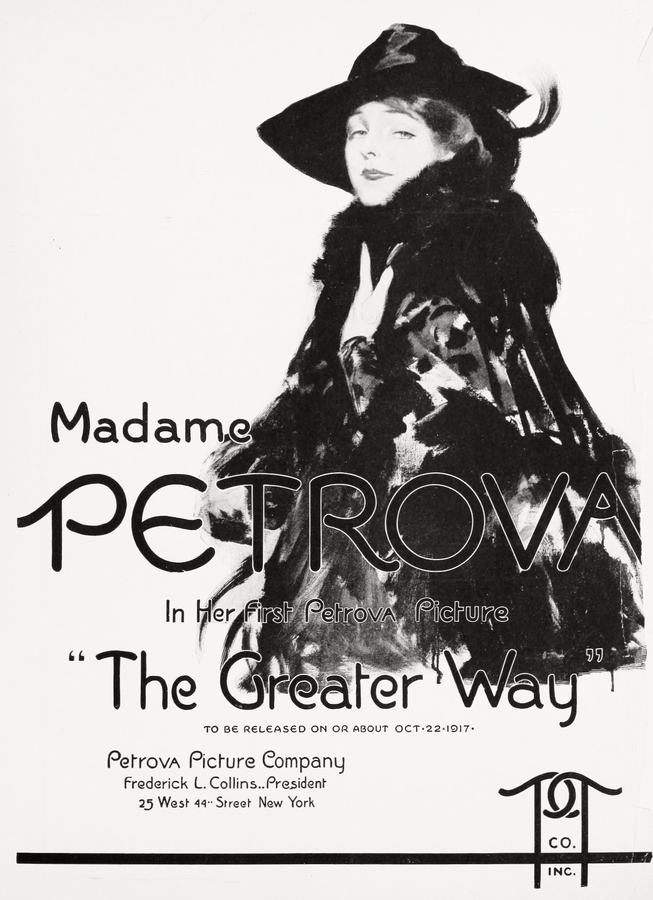
In the annals of silent cinema, where grand gestures and intense emotionality often superseded nuanced dialogue, certain films emerge as true exemplars of the era's dramatic potential. Among these, the 1917 production 'Daughter of Destiny' stands as a compelling testament to the period's storytelling prowess, particularly through the lens of its multi-talented star and writer, Olga Petrova. This is not merely a film; it is a sprawling canvas depicting the harrowing choices faced by a woman caught in the vortex of international espionage, personal betrayal, and the looming specter of global conflict.
At its core, 'Daughter of Destiny' presents a narrative steeped in the kind of high-stakes melodrama that captivated audiences of its time. We are introduced to the unnamed daughter of the American Ambassador to Belmark, a woman whose life, ostensibly one of privilege and diplomatic grace, is revealed to be a precarious balancing act. Her marriage is not one of domestic tranquility but a union to a man whose affections are secondary to his ulterior motives: he is a spy, relentlessly attempting to coerce his wife into betraying her own nation. The emotional toll of such a relationship, one built on manipulation and disloyalty, is palpable, even without spoken words. The silent screen, with its reliance on exaggerated expressions and body language, perfectly conveys her anguish and the profound moral dilemma she confronts daily.
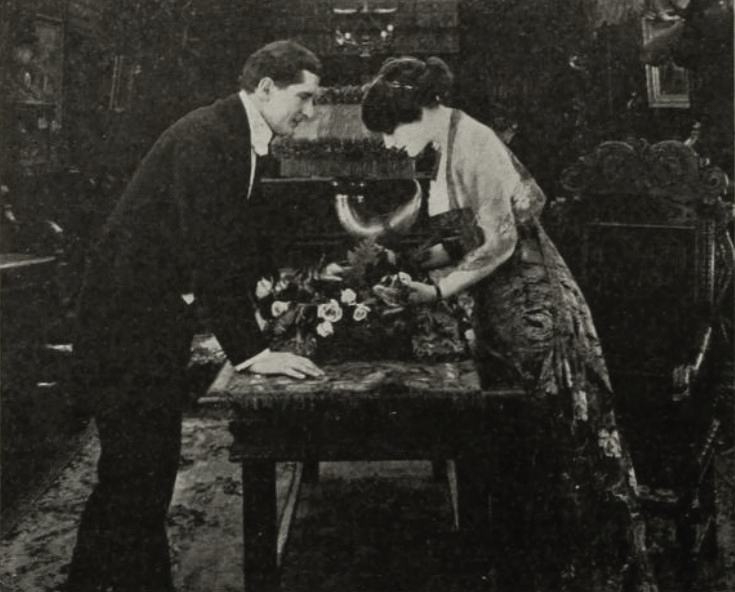
The initial, albeit fleeting, relief she experiences upon hearing of her husband's death underscores the depth of her torment. This is not a moment of callousness, but a desperate gasp for freedom from an oppressive reality. The irony, of course, is that this liberation is built upon a foundation of sand; his death is nothing more than an elaborate deception, a masterstroke of espionage designed to further his nefarious aims. This plot twist immediately establishes the film's commitment to intricate, often cruel, narrative turns, reminiscent of the dramatic complexities found in films like The Folly of Revenge, where personal vendettas often intertwine with larger societal conflicts.
Her subsequent morganatic marriage to Prince Leopold of Belmark introduces a new layer of personal and political entanglement. A morganatic union, a concept perhaps less familiar to modern audiences, signifies a marriage where the lower-ranking spouse (and any offspring) does not inherit the titles or privileges of the higher-ranking one. This detail is crucial; it highlights the inherent sacrifices and compromises demanded of her, even in a union that promises stability. It is a marriage born not purely of affection, but of necessity, likely a strategic maneuver to cement alliances or avert crises in the volatile landscape of early 20th-century Europe, mirroring the geopolitical anxieties prevalent during World War I.
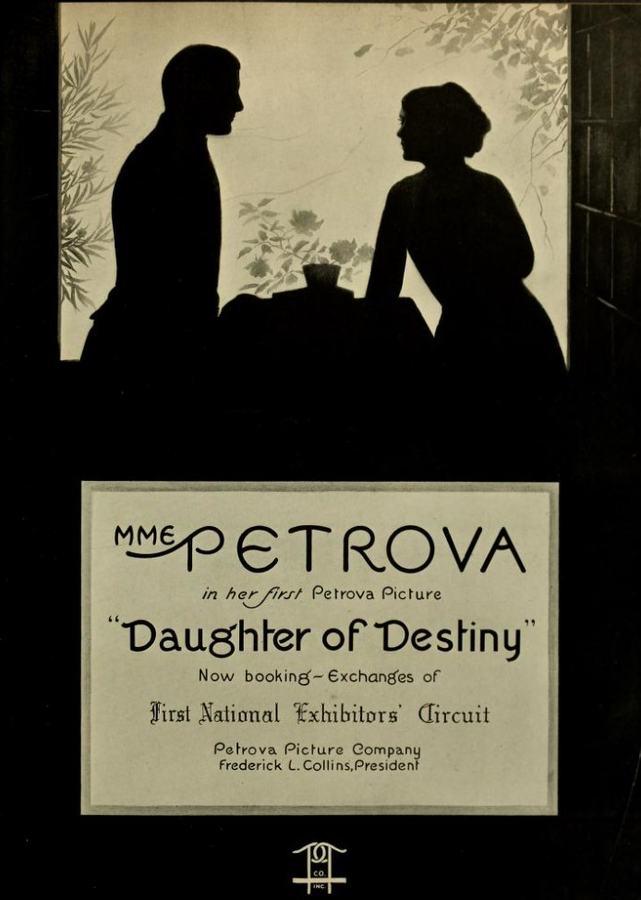
The plot then escalates dramatically. Faced with the stark reality that this very alliance could ignite a devastating war, she makes the agonizing decision to renounce her marriage to Leopold. This act of profound self-sacrifice, driven by a desire for peace, is a defining moment for her character. It positions her not merely as a victim of circumstances but as an active agent striving to shape her destiny and, by extension, the destiny of nations. Yet, the narrative refuses to offer simple resolutions. The bitter irony is revealed: her renunciation, intended to prevent war, instead precipitates an even greater conflict. This cruel twist of fate underscores the film's cynical view of political maneuvering and the tragic futility of individual efforts against overwhelming forces, a theme sometimes echoed in the grander, more philosophical silent epics such as Civilization, which often grappled with the devastating impacts of war on humanity.
Much of the film's compelling nature can be attributed to the formidable talent of Olga Petrova, who not only stars but also penned the screenplay. Petrova was a unique figure in early cinema, a true auteur who leveraged her stage experience and intellectual prowess to create complex, often morally ambiguous female characters. Her writing imbues the Ambassador's daughter with a resilience that transcends the typical damsel-in-distress trope. This character, though repeatedly subjected to betrayals and impossible choices, consistently demonstrates agency and an unwavering moral compass, even when her actions lead to unforeseen, catastrophic consequences.
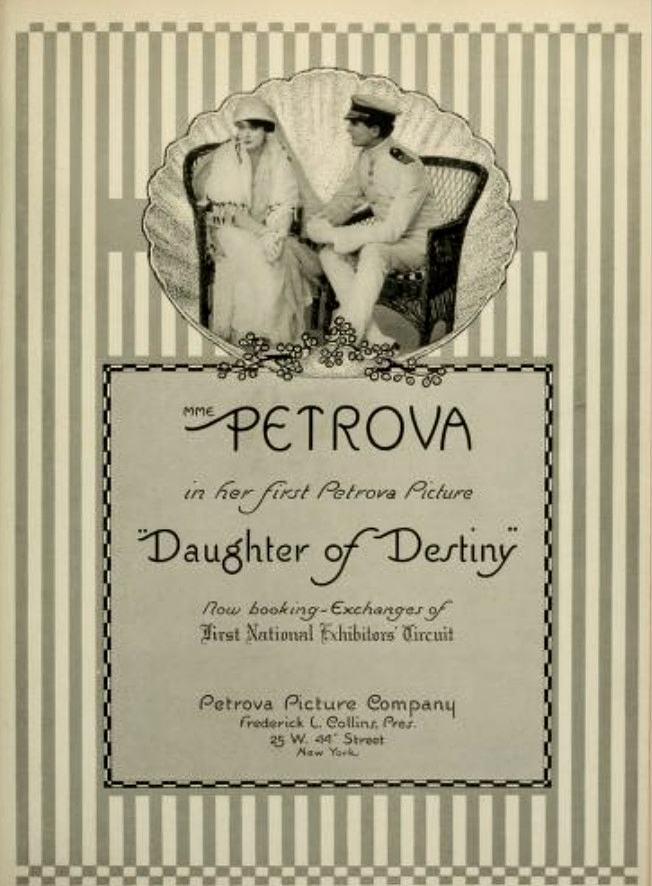
Petrova's performance is undoubtedly the linchpin of the film. Silent acting required a mastery of pantomime, a nuanced understanding of how to convey internal turmoil through externalized expression. Her ability to project both vulnerability and strength, despair and determination, would have been crucial in communicating the protagonist's arduous journey without the benefit of dialogue. Her presence on screen would have been commanding, drawing audiences into the character's emotional maelstrom. This ability to carry a film through sheer presence and expressive power is a hallmark of many silent era stars, akin to the captivating performances seen in films like Happiness or A Welsh Singer, where the central figure's emotional arc drives the entire narrative.
While Petrova undoubtedly dominates the screen, the supporting cast plays a vital role in establishing the dramatic tension and believability of this intricate world. Beatrix Sherman, Warren Cook, Anders Randolf, Carl Dietz, Nita Allen, Richard Garrick, Robert Broderick, Henry Leone, and Thomas Holding each contribute to the tapestry of characters that surround the protagonist. Their collective performances, though perhaps less extensively documented than Petrova's, would have been essential in creating the atmosphere of intrigue and danger. The spy husband, for instance, would require an actor capable of conveying both charm and menace, a duality crucial to the initial deception. Prince Leopold, on the other hand, would need to project a sense of noble leadership tempered by an openness to persuasion, especially during the critical moments when the protagonist convinces him to renounce the compact.
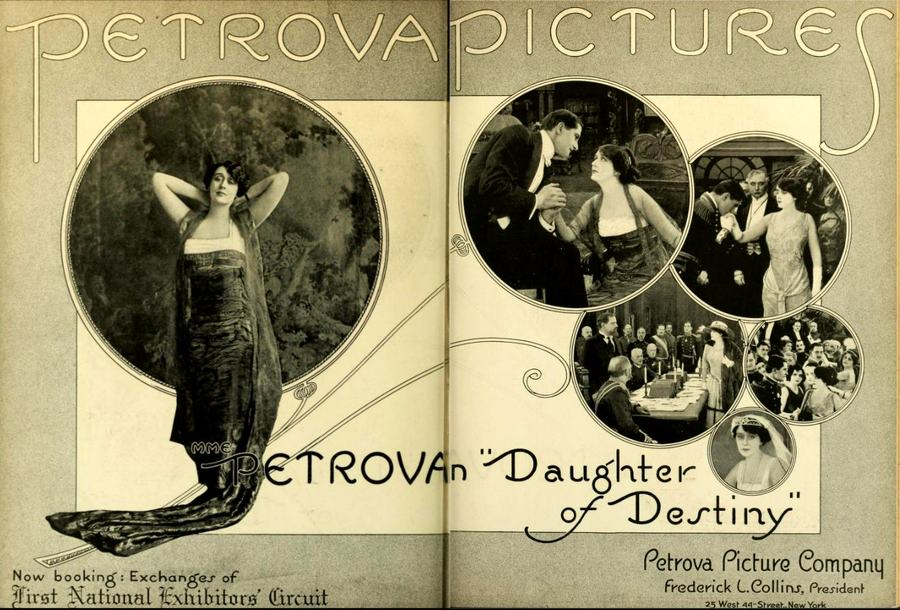
The effective portrayal of these supporting roles would have lent credibility to the political machinations and personal stakes, ensuring that the audience remained invested in the unfolding drama. In a film where the plot twists are so pivotal, the reactions and motivations of every character, however minor, contribute to the overall impact. This ensemble work, even in a star-driven vehicle, highlights the collaborative nature of filmmaking in the silent era, where a strong supporting cast could elevate the central performance and deepen the narrative's resonance, much like the intricate character dynamics observed in adaptations such as David Copperfield.
The narrative builds to a breathtaking crescendo as the protagonist persuades Leopold to once again renounce a compact, presumably the one that had led to the 'greater war.' This demonstrates her persistent influence and her commitment to peace, even in the face of repeated setbacks. The climax, however, is not merely political; it becomes intensely personal and physically dangerous. Her ultimate act of heroism—throwing herself between Prince Leopold and an exploding bomb to save his life—is a powerful visual metaphor for her unwavering dedication and self-sacrificing spirit. It is a moment designed to elicit gasps from the audience, cementing her status as a true heroine, not just of her nation, but of her own moral code. This kind of dramatic, life-or-death moment is a staple of silent thrillers, often seen in films like Shannon of the Sixth, where bravery in the face of extreme danger is paramount.
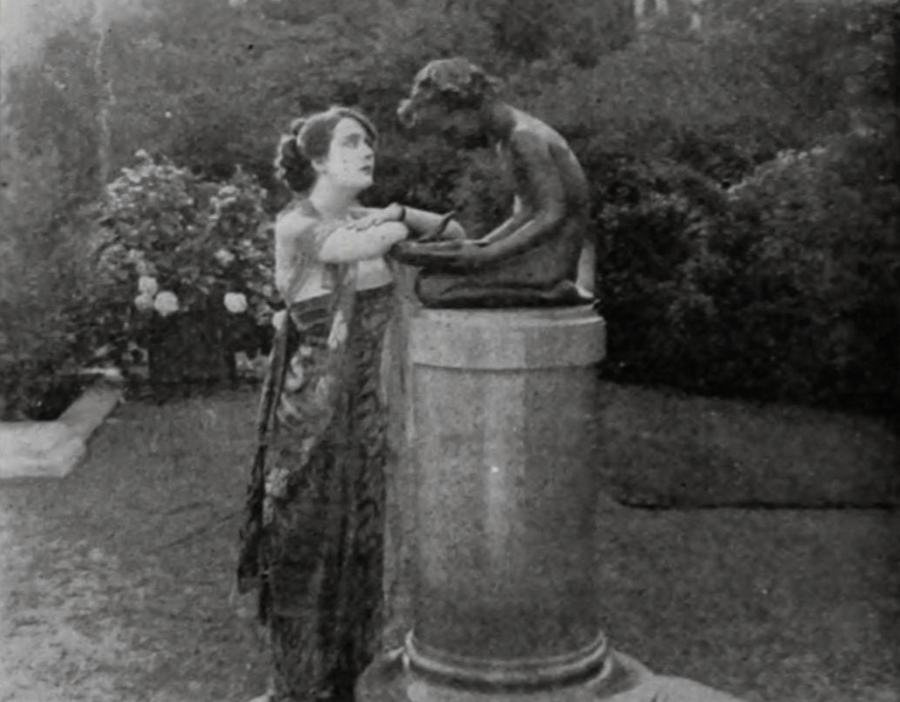
The concluding statement that 'the story does not end there' is perhaps the most tantalizing aspect of the plot description. It leaves the audience with a sense of lingering suspense, suggesting that even after such monumental trials and heroic acts, the protagonist's journey is far from over. This open-endedness could imply further political intrigue, personal challenges, or perhaps even a sequel that was never realized. It speaks to the complexity of the world Petrova created, where resolutions are rarely absolute and destiny is a constantly unfolding, often perilous, path. This narrative device keeps the viewer engaged, pondering the myriad possibilities that lie beyond the final frame, much like the lingering questions posed by films centered on ongoing struggles or unresolved mysteries, such as The Land of Long Shadows.
From a cinematic perspective, 'Daughter of Destiny' would have relied heavily on visual storytelling techniques prevalent in the silent era. The use of elaborate sets and costumes would have conveyed the opulence of diplomatic circles and royal courts, contrasting sharply with the bleak realities of war and espionage. Cinematography, though perhaps less dynamic than in later periods, would have employed dramatic lighting and close-ups to emphasize emotional states, a crucial element given the absence of spoken dialogue. The pacing would have likely alternated between tense, suspenseful sequences and moments of heightened emotional drama, keeping the audience on the edge of their seats.
The film's themes are remarkably prescient. The exploration of national loyalty versus personal conviction, the devastating ripple effects of political alliances, and the agency of women in a patriarchal world resonate even today. Petrova’s script delves into the psychological toll of deception and the moral fortitude required to navigate a world rife with betrayal. It’s a powerful examination of how individuals are forced to make impossible choices when caught between the gears of history and personal desire. This sophisticated thematic depth distinguishes it from simpler melodramas, aligning it more with complex narratives like The Golden Fetter, which also explored the constraints and choices of its female protagonists.
Moreover, the film offers a fascinating glimpse into the portrayal of international relations during a period of global upheaval. The backdrop of Belmark, a fictional European nation, allows for a heightened sense of dramatic freedom while still reflecting the very real tensions that led to World War I. The film's ability to weave personal drama with grand geopolitical stakes is a testament to Petrova's skill as a storyteller and her understanding of her audience's anxieties. It’s a film that, despite its age, speaks to enduring human struggles and the timeless allure of a well-crafted mystery. The film's blend of personal and political intrigue finds echoes in other films of the era that sought to capture the complexities of the modern world, perhaps even in the farcical but equally revealing scenarios of What Happened to Jones, albeit with a dramatically different tone.
In conclusion, 'Daughter of Destiny' is more than just a historical artifact; it is a vibrant, intricate drama that showcases the profound capabilities of silent cinema. Olga Petrova, as both writer and star, delivers a masterclass in emotional storytelling and character development, crafting a protagonist whose struggles and triumphs resonate across generations. The film’s intricate plot, replete with deceptions, sacrifices, and heroic acts, keeps the audience enthralled, demonstrating that even without spoken dialogue, the power of a compelling narrative and expressive performances can transcend time. For those interested in the rich tapestry of early filmmaking, particularly in the exploration of strong female characters and complex political landscapes, 'Daughter of Destiny' remains an essential, captivating watch, a testament to the enduring power of human resilience in the face of unrelenting adversity. Its themes of self-sacrifice for the greater good, and the complex interplay between personal desires and national duty, are as relevant today as they were over a century ago. It’s a cinematic journey that truly earns its evocative title, showcasing a woman whose very existence is a testament to the twists and turns of fate. This film, much like His Wife, delves deep into the moral quandaries of marital fidelity and national loyalty, but with an added layer of international intrigue that elevates its dramatic stakes.

IMDb —
1929
Community
Log in to comment.